Eye on Pakistan & China: The Eurodrone shift in India’s maritime defence
Eye on Pakistan & China: Anti-submarine Eurodrone spurs India's layered maritime defence push
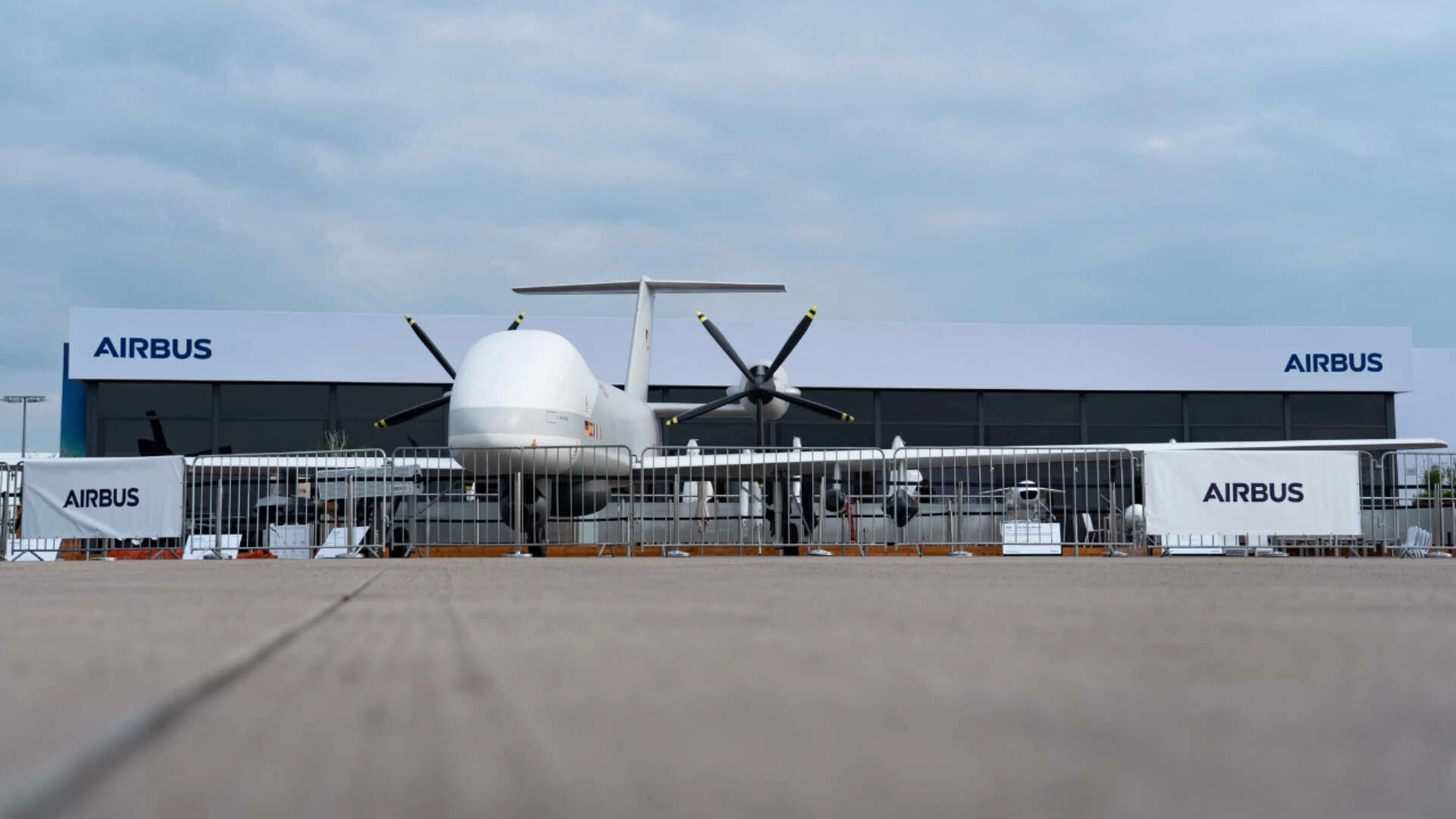
As New Delhi recalibrates its naval strategy, a new collaboration between Airbus and Kawasaki signals a shift toward unmanned, persistent surveillance to counter the growing submarine threat in the Arabian Sea and Bay of Bengal.
The ghost of the 1971 war, where the loss of the INS Khukri to a Pakistani submarine left a deep scar on the Indian Navy’s psyche, remains a powerful driver of current procurement. With Pakistan preparing to induct eight Chinese-origin Hangor-class submarines and Beijing’s own fleet hovering around 60, the maritime calculus in the Indian Ocean has shifted from conventional monitoring to a high-stakes game of hide-and-seek. The emergence of an anti-submarine warfare (ASW) variant of the Eurodrone, a joint venture between Japan’s Kawasaki and Airbus, lands right in the middle of this regional tension.
For India, the allure of the Eurodrone isn't just about adding another platform; it’s about the sheer necessity of layered defence. While the navy has already bolstered its reach with 12 P-8I Poseidons and a February deal for six more worth $3 billion, alongside the 15 Sea Guardian drones slated for delivery from the 31 ordered in October 2024, the challenge remains vast. Patrolling both the western and eastern seaboards requires a level of persistence that manned aircraft cannot sustain alone.
The logic of the hunter-drone
The strategic shift centers on three pillars: endurance, integration, and cost. Japan’s approach, which seeks to pair these drones with the Kawasaki P-1 maritime patrol aircraft, provides a blueprint for what defence planners call "manned-unmanned teaming." By offloading the monotonous, long-endurance surveillance to drones equipped with sonobuoys, India could effectively free up its expensive P-8I fleet for more complex strike missions.
This isn't just about technology; it’s about math. Unmanned systems provide a way to close surveillance gaps without stretching the budget of surface vessels or risking manned crews in high-threat zones. If New Delhi adopts a similar pairing strategy, it could create a persistent, layered net that makes it significantly harder for hostile submarines to move undetected through critical chokepoints.
Why it matters: The bigger picture
The rise of these platforms marks a transition in the Indian Navy’s posture: we are moving away from reactive patrols toward a persistent, tech-heavy blockade-style surveillance. The pattern is clear—India is no longer just looking at the surface; it is aiming to own the acoustic environment beneath it.
The integration of such drones acts as a force multiplier. In a region where the margin for error is razor-thin, the ability to maintain 24/7 eyes on the deep sea—without the fatigue associated with human-crewed long-haul sorties—is the ultimate strategic asset. While the Eurodrone is still an evolving piece of the puzzle, its development confirms that the future of maritime security in the Indian Ocean will be fought by machines as much as by ships.
Priya Nair covers parties, elections and the business of power for PoliticalPedia.