Subsidy Row: Union Minister Bhagirath Choudhary Faces Conflict of Interest Allegations
'I am a farmer': Union minister on Rs 99L subsidy row; Gehlot says 'new model of corruption'
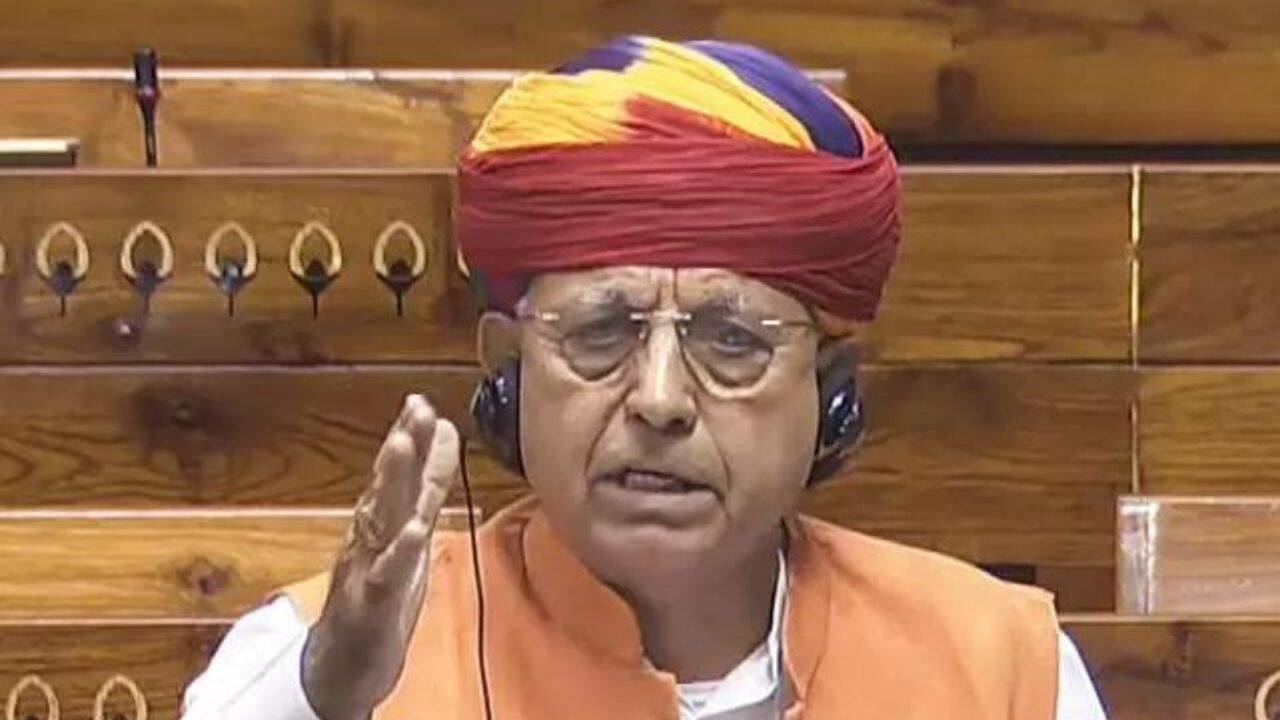
The junior agriculture minister defends a nearly Rs 1 crore grant for his farm as the Congress party alleges a new model of corruption.
A cucumber farm in Rajasthan has suddenly become the flashpoint for a fresh political confrontation in New Delhi. Union Minister of State for Agriculture Bhagirath Choudhary finds himself at the centre of a storm after reports emerged that he received a subsidy of Rs 99.03 lakh under a scheme managed by his own ministry. The development has triggered sharp rebukes from the opposition, who have dubbed the incident a clear case of conflict of interest.
The Minister’s Defence
Speaking to the press, Choudhary was quick to push back against the accusations. He framed the issue not as a misuse of power, but as the rights of a lifelong agriculturist. "I am a farmer and have been in agriculture since my childhood days," he said, maintaining that he had "hidden nothing." According to the minister, the application for the grant was filed in 2018—years before he assumed his current ministerial role.
Choudhary argues that the process was entirely transparent, noting that local officials had inspected the site and that he uses the facility to mentor other farmers in modern, natural farming techniques. He insists his status as a public representative should not disqualify him from accessing government schemes that are technically available to any farmer who meets the criteria.
A "New Model of Corruption"?
The opposition, led by former Rajasthan Chief Minister Ashok Gehlot, is unconvinced. Gehlot has launched a scathing attack on the Modi government, questioning how a minister can preside over a board that sanctions significant payouts for his own personal ventures. "What would you call it when a Union minister of state for agriculture himself gets a subsidy of nearly one crore rupees sanctioned for his own farm under a scheme of his own ministry?" Gehlot asked.
Congress leader Pawan Khera joined the fray, alleging that for the Bharatiya Janata Party, "charity begins at home," while accusing the ruling dispensation of maintaining a double standard for the common man versus its own ministers.
Why it Matters
The political heat surrounding this case goes beyond the specific sum involved. At its core, this controversy highlights the recurring friction between administrative duty and private interest. When a minister holds an ex-officio position on a board that oversees the very subsidies they are eligible for, the line between procedural compliance and ethical conduct becomes blurred in the public eye.
Whether the approval followed every letter of the law is a matter for official scrutiny, but the optics are proving costly. For the government, the challenge lies in defending the legality of a scheme that, at first glance, looks like a preferential loop. In a political climate where the "Na Khaunga Na Khane Dunga" anti-corruption narrative is central to the BJP’s identity, questions about ministerial integrity—even if legally defensible—are bound to create significant policy and reputational risks.
Arjun Mehta reports on government, policy and Parliament for PoliticalPedia, in English and Hindi.