Diplomacy in the Gulf: S Jaishankar Credits Qatar for Resurrecting US-Iran Talks
Jaishankar meets Qatar PM, lauds mediation efforts between US and Iran
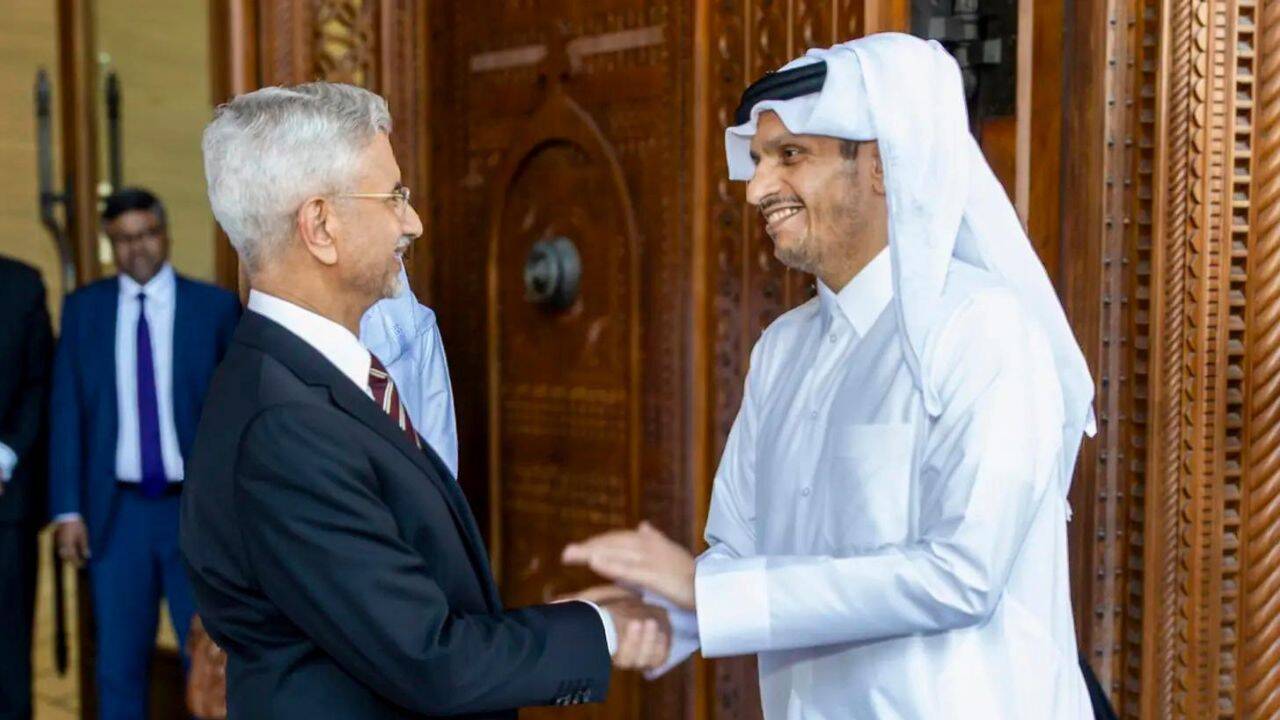
As the US and Iran return to the negotiating table, India’s External Affairs Minister highlights Doha’s quiet shuttle diplomacy in cooling West Asian tensions.
In the high-stakes theatre of West Asian diplomacy, the quietest rooms often produce the loudest results. External Affairs Minister S Jaishankar concluded his crucial visit to Doha this week, where he held extensive discussions with the Qatar PM, Sheikh Mohammed bin Abdulrahman Al Thani. While the official agenda was packed with the usual bilateral staples—energy, trade, and people-to-people ties—the subtext of the visit was unmistakably focused on the shifting tides of the US-Iran conflict.
Jaishankar’s public praise for Qatar’s mediation efforts signals a significant acknowledgment of Doha’s growing influence. When a fragile ceasefire between Washington and Tehran threatened to collapse earlier this year, it was Qatar’s persistent, low-profile engagement that managed to keep the dialogue breathing. While initial hopes were pinned on other regional powers, Doha’s unique combination of discretion and deep-rooted access ultimately steered the parties back toward a diplomatic path.
The Road to July 11
The upcoming technical talks, penciled in for July 11, represent a critical follow-up to the Islamabad Memorandum of Understanding signed just two weeks ago. That agreement essentially bought both nations a 60-day window to hash out a comprehensive framework regarding Iran’s nuclear programme and regional security concerns. Stability in the Strait of Hormuz—a vital artery for global energy supplies—remains a top priority for all stakeholders, including India, which has a vested interest in keeping these waters secure.
While the venue for these mid-July discussions is still being finalised, the shift back toward neutral ground suggests that both the US and Iran are looking for a face-saving, professional environment to address their long-standing disputes. The fact that these talks are even happening is, in no small part, a result of the shuttle diplomacy that Jaishankar lauded during his time with the Qatar PM.
Why it matters
For New Delhi, these developments are more than just background noise in a distant conflict. India’s strategic footprint in the Gulf depends on a stable, predictable regional order. By actively engaging with Qatar, a mediator that enjoys the trust of both the West and Tehran, India is positioning itself as a pragmatic stakeholder that supports de-escalation rather than confrontation.
The bigger picture here is the emergence of a new, multipolar diplomatic architecture in West Asia. The days of relying on a single mediator are over; instead, we are seeing a "niche diplomacy" where smaller, agile states like Qatar leverage their neutrality to prevent full-scale military entanglements. Jaishankar’s visit underscores India’s intent to stay plugged into these back-channel processes, ensuring that our interests in energy security and diaspora welfare are protected even as the US and Iran grapple with their complex, decades-old impasse.
Ananya Iyer covers global affairs with an Indian lens for PoliticalPedia.