From Diplomatic Tensions to Personal Barbs: The Fallout Over PM Modi’s Seychelles Honour
'Khawaja Asif is mentally unstable': India slams Pakistan minister's remark on PM Modi
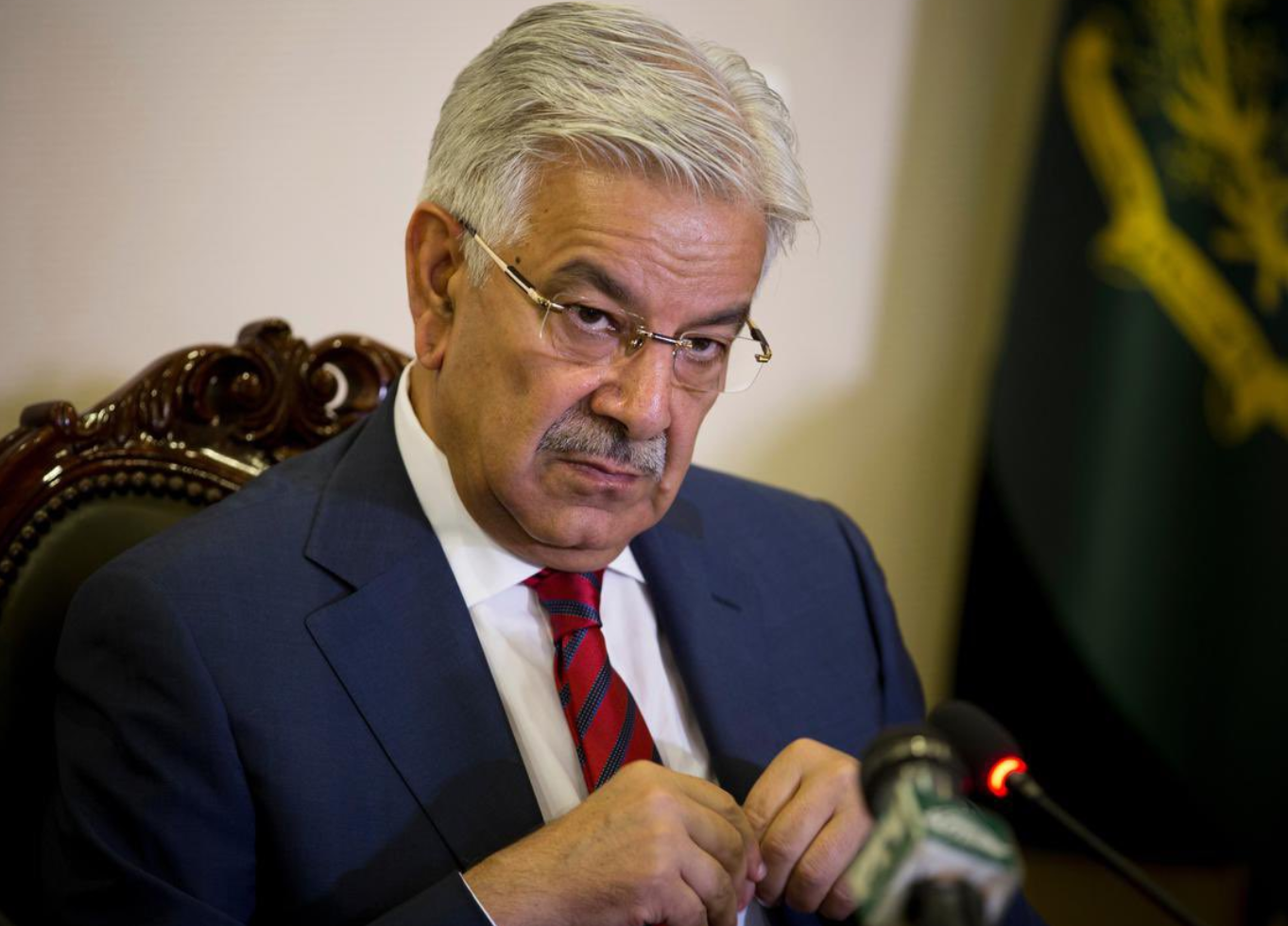
New Delhi has hit back hard at Pakistan’s Defence Minister after he questioned the legitimacy of an international award conferred upon the Indian Prime Minister.
The latest flare-up between New Delhi and Islamabad began not with a border skirmish or a policy disagreement, but with a scathing assessment of mental health. India has launched a sharp rebuttal against Pakistan’s Defence Minister, Khawaja Asif, after he publicly cast doubts on the "Guardian of the Blue Horizon" Presidential Distinction awarded to PM Modi during his recent visit to Seychelles.
Government sources in New Delhi were blunt in their assessment of the minister’s rhetoric. Dismissing the remarks as both uninformed and malicious, officials described Asif as "mentally unstable"—a label they insisted was already a "known fact." The official reaction signals a growing impatience in the Indian establishment with the nature of political discourse coming out of Islamabad.
A Pattern of Petty Politics
The controversy centres on Asif’s attempt to undermine the diplomatic recognition PM Modi received from the Seychelles government. By questioning the legitimacy of the honour, the Pakistani minister invited a fierce backlash that transcended typical diplomatic disagreement.
New Delhi’s response didn't stop at questioning Asif's sanity. Sources pointedly suggested that the minister appears to have "no day job" and spends his time making "silly comments" on matters he lacks the depth to understand. The tone of the Indian retort suggests that the government views these attacks as a symptom of a broader, deeper frustration within the Pakistani leadership, driven by what officials termed as "envy" and a propensity for "hate speech."
Why it Matters: The Bigger Picture
Diplomacy is often about calculated messaging, but the sharp language used by both sides here highlights the deepening freeze in India-Pakistan relations. When a defence minister chooses to attack a head of state over a civilian honour, it reflects the total absence of constructive channels between the two neighbours.
The strategy from New Delhi appears to be one of "naming and shaming." By characterizing the minister’s comments as a result of personal instability rather than legitimate state policy, India is essentially signalling that it no longer views the current Pakistani leadership as a serious participant in geopolitical dialogue. It is a dismissal that carries a heavy message: until the rhetoric improves, there is little incentive for India to engage.
Ultimately, this incident underscores a worrying trend where diplomatic decorum is being discarded in favour of social media-friendly jabs. For the regional stability of South Asia, the spectacle of such personal vitriol only confirms that the path to any meaningful thaw remains blocked by a wall of bitter, unproductive posturing.
Kabir Sharma writes on culture, technology and everyday life for PoliticalPedia.