CJP Founder Dipke Calls for Shift in Indian Politics, Demands Pradhan’s Resignation Over NEET Crisis
Indian politics dominated by Hindu-Muslim agenda; joblessness key concern, CJP apolitical: Dipke
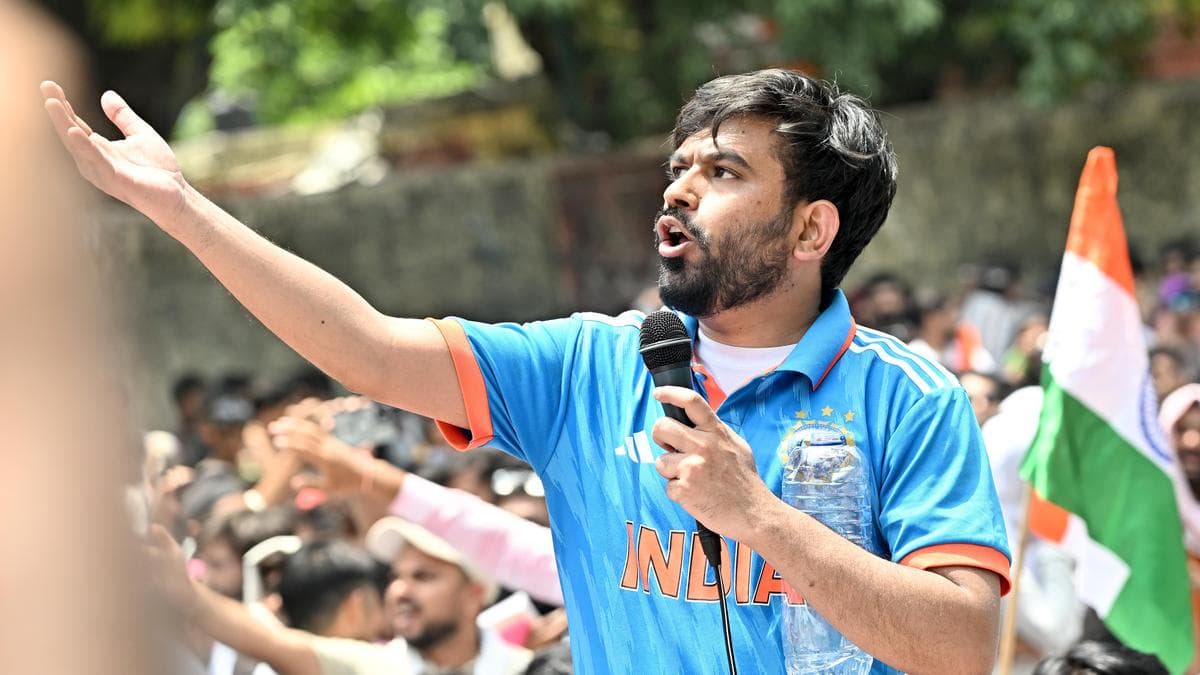
As the Cockroach Janta Party intensifies its youth-led movement, founder Abhijeet Dipke warns that a decade of communal focus is sidelining urgent national crises like unemployment.
Addressing a press conference in Chhatrapati Sambhajinagar on Sunday, Cockroach Janta Party (CJP) founder Abhijeet Dipke launched a scathing critique of the current political climate. He argued that for the past 10 to 12 years, the national discourse has been overwhelmingly dominated by a Hindu-Muslim agenda, a distraction he claims has done little to address the country’s deepening unemployment crisis. Dipke asserted that if the government intends to secure the future of the nation, it must shift its priorities toward tangible economic growth rather than polarizing rhetoric.
Accountability in the Education Sector
The agitation, which recently saw a significant turnout at Jantar Mantar in Delhi, has coalesced around the recent controversies surrounding the NEET paper leak and glitches in CBSE examinations. Dipke remains firm in his demand for Union Minister Dharmendra Pradhan’s resignation, drawing a parallel between government oversight and corporate accountability. He questioned how a system could function effectively if those in charge refuse to accept responsibility for systemic failures, noting that in the private sector, repeated negligence would lead to immediate termination.
"How can we believe that the government is ready to accept mistakes until the resignation is finalised?" Dipke asked. He emphasized that the demand for Pradhan’s resignation is not merely a political stunt but a prerequisite for restructuring the national education system. Once that accountability is established, Dipke claims the CJP will pivot toward drafting a comprehensive policy agenda to overhaul the crumbling education framework.
Defining the Movement
Distancing the CJP from traditional political entities, Dipke stressed that the movement is intentionally apolitical and exclusively represents the interests of Gen Z. He rejected comparisons to recent uprisings in neighbouring nations, framing the CJP as a platform for Indian youth to voice their frustration with the status quo. Furthermore, he condemned the "IT cell" tactics used to label dissenting students, opposition members, and journalists as anti-national, questioning the right of ruling party loyalists to gatekeep patriotism.
As the movement grows, the CJP intends to keep the pressure on the current administration. For Dipke, the core issue is simple: the political obsession with religious division will not provide jobs to the millions of young Indians entering the workforce annually. With the protest movement now firmly rooted in the demand for systemic reform, the CJP is positioning itself as a pressure group focused on the intersection of joblessness and educational integrity.
The PoliticalPedia Editorial Desk brings verified, sourced political news and analysis from across India.