Devastating Cloudburst and Flash Floods Leave Trail of Destruction in Reasi and Across Jammu & Kashmir
Cloudburst, flashfloods damaged houses in J&K’s Reasi
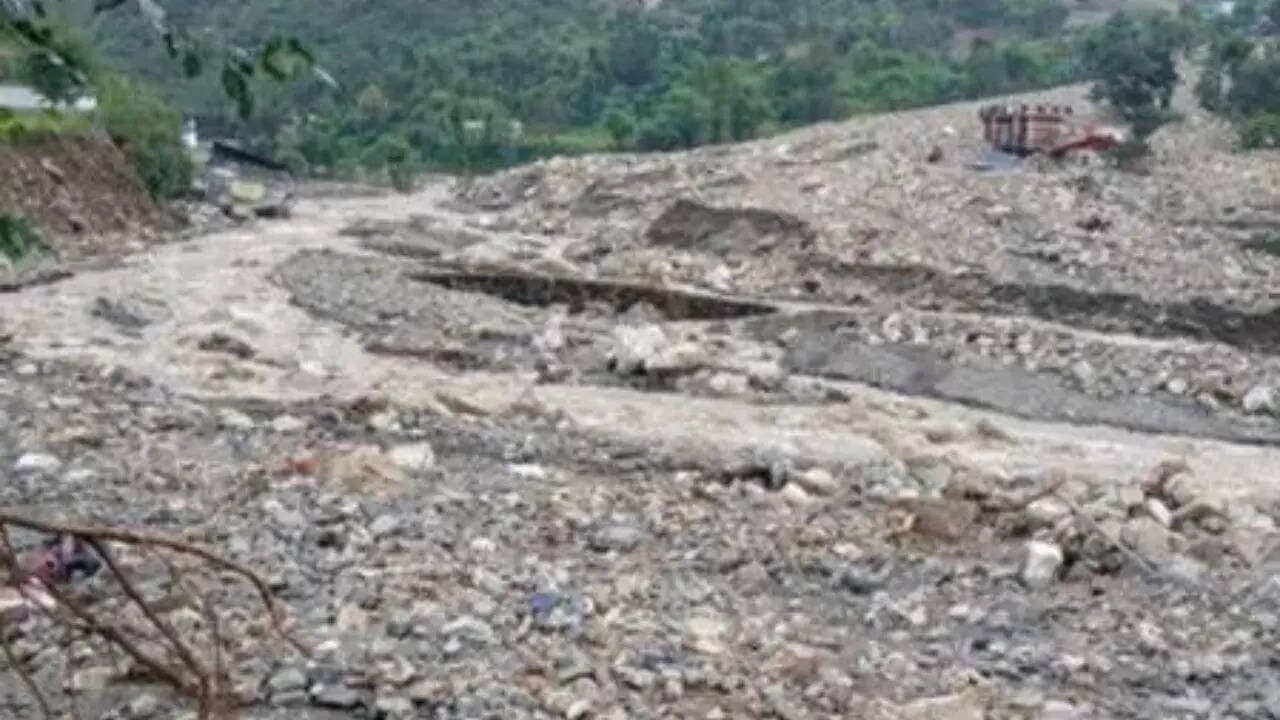
A series of intense cloudbursts and landslides across the Jammu region have claimed 11 lives, leaving multiple families in mourning as heavy rains continue to batter the Union Territory.
The serene hills of Jammu and Kashmir have been transformed into scenes of crisis this week, as a sudden cloudburst triggered catastrophic flash floods in the Reasi district. The extreme weather event has caused significant structural damage, with numerous houses inundated or destroyed as surging waters and debris swept through residential areas. While initial reports from some local outlets suggested no casualties, subsequent ground assessments have confirmed a grim reality, with officials reporting a total of 11 fatalities across Reasi and the neighboring Ramban district.
A Region in Crisis
The devastation is widespread, extending beyond Reasi to impact lives in the Ramban and Doda districts. In a particularly tragic turn of events, a single family of seven members was reported killed in Reasi, while another four individuals lost their lives in the Ramban area. The loss of life includes five children, highlighting the vulnerability of mountain communities to these unpredictable, high-intensity weather phenomena. As the Kashmir Observer and other regional bulletins note, the rainfall has not been confined to one pocket, but has lashed several parts of the Union Territory, stretching local emergency resources to their limits.
Infrastructure and Relief Challenges
Beyond the tragic human toll, the physical damage to infrastructure is severe. The flash floods have compromised the structural integrity of many houses, rendering them uninhabitable. In Kishtwar, local authorities have moved to shut down schools as a precautionary measure, anticipating further instability in the terrain. The combination of saturated soil and ongoing downpours has heightened the risk of further landslides, complicating the efforts of rescue teams attempting to reach remote, rain-battered villages.
The frequency of such events in the higher reaches of the Himalayas continues to be a subject of concern for disaster management experts. This incident serves as a stark reminder of the region’s susceptibility to extreme climate variability. While relief and search operations remain the immediate priority, the long-term challenge for the administration involves rehabilitating displaced residents and fortifying infrastructure in areas where geological instability is becoming increasingly common due to erratic rainfall patterns.
As the situation unfolds, the district administration and disaster response teams remain on high alert. With weather forecasts predicting continued instability, officials have urged residents in vulnerable areas to remain vigilant and cooperate with evacuation orders. The scale of the destruction has left many families seeking immediate shelter, turning the focus of the government toward providing emergency aid and medical support to those affected by these sudden and violent floods.
The PoliticalPedia Editorial Desk brings verified, sourced political news and analysis from across India.