Delhi Power Corridors Buzz: Is the TMC Heading for a Reset or a Split?
TMC Crisis Live Updates: Resignations, Merger Buzz Deepen Party Turmoil; Will TMC Join Hands With Congress?
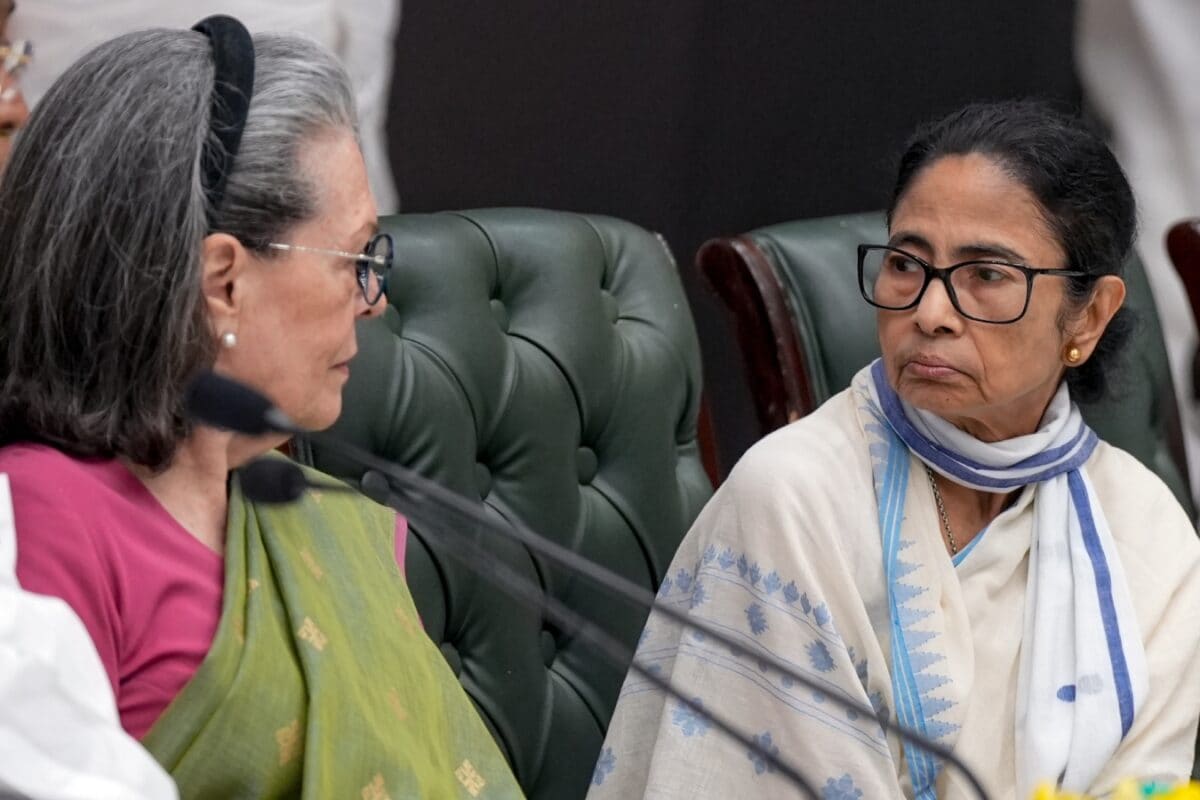
As high-level meetings between the INDIA bloc leadership and the TMC brass intensify, a wave of exits and internal friction has sparked intense speculation about the party's future.
The power corridors of 10 Janpath have become the epicenter of a quiet but significant political churn. While the TMC crisis live updates point toward mounting internal turmoil, the optics of the last 48 hours tell a story of high-stakes maneuvering. On Wednesday, Abhishek Banerjee walked into a meeting with Leader of Opposition Rahul Gandhi, a sit-down that has set tongues wagging in both Kolkata and Delhi. This follows a direct appeal from Sonia Gandhi to Mamata Banerjee, urging the West Bengal Chief Minister to bridge the distance and reinforce the INDIA bloc’s collective front against the BJP.
The merger buzz deepening party instability is being fueled by a string of high-profile departures. The most recent blow came with the formal acceptance of Sushmita Dev’s resignation, effective June 10. Dev’s subsequent optics—including a meeting with Assam Chief Minister Himanta Biswa Sarma—have triggered inevitable chatter about a possible shift toward the BJP. While these resignations have left the party’s grassroots rattled, the leadership is attempting a balancing act, trying to contain the narrative that the party is fracturing from within.
The Merger Debate: Reality vs. Rumour
Despite the headlines, the question of whether the TMC will join hands with Congress in a more formal capacity remains a point of contention. Rebel TMC leader Ritabrata Banerjee has been quick to douse the flames of a potential merger, dismissing the idea that any significant segment of the party, from MPs to Panchayat representatives, is looking to switch sides.
This sentiment is echoed on the other side of the aisle. Senior Congress leader Adhir Ranjan Chowdhury, known for his vocal stance on Bengal politics, has stated clearly that he is unaware of any such merger discussions. While the ideological alignment within the opposition alliance is being stressed, the operational reality on the ground in West Bengal suggests that a formal integration is far from the table, even if an alliance remains an open option.
Why it matters
The current instability within the TMC is not just an internal administrative headache; it represents a critical stress test for the INDIA bloc. The BJP remains the primary beneficiary of any fragmentation in the anti-incumbency vote in Bengal. For the TMC, the challenge is twofold: they must manage their internal dissent while deciding how much of their political autonomy to cede to a national alliance. The coming weeks will determine if this is merely a period of political recalibration or the start of a deeper structural shift in state politics. The focus now turns to whether Mamata Banerjee can keep her house in order while navigating the pressures of a unified national opposition.
Priya Nair covers parties, elections and the business of power for PoliticalPedia.