Central Israel Shooting Leaves One Dead, Sparking Political Firestorm Over ‘Extremist Breeding Ground’
‘Extremist breeding ground’: Attack in Israel leaves 1 dead, minister lambasts country’s Arabs
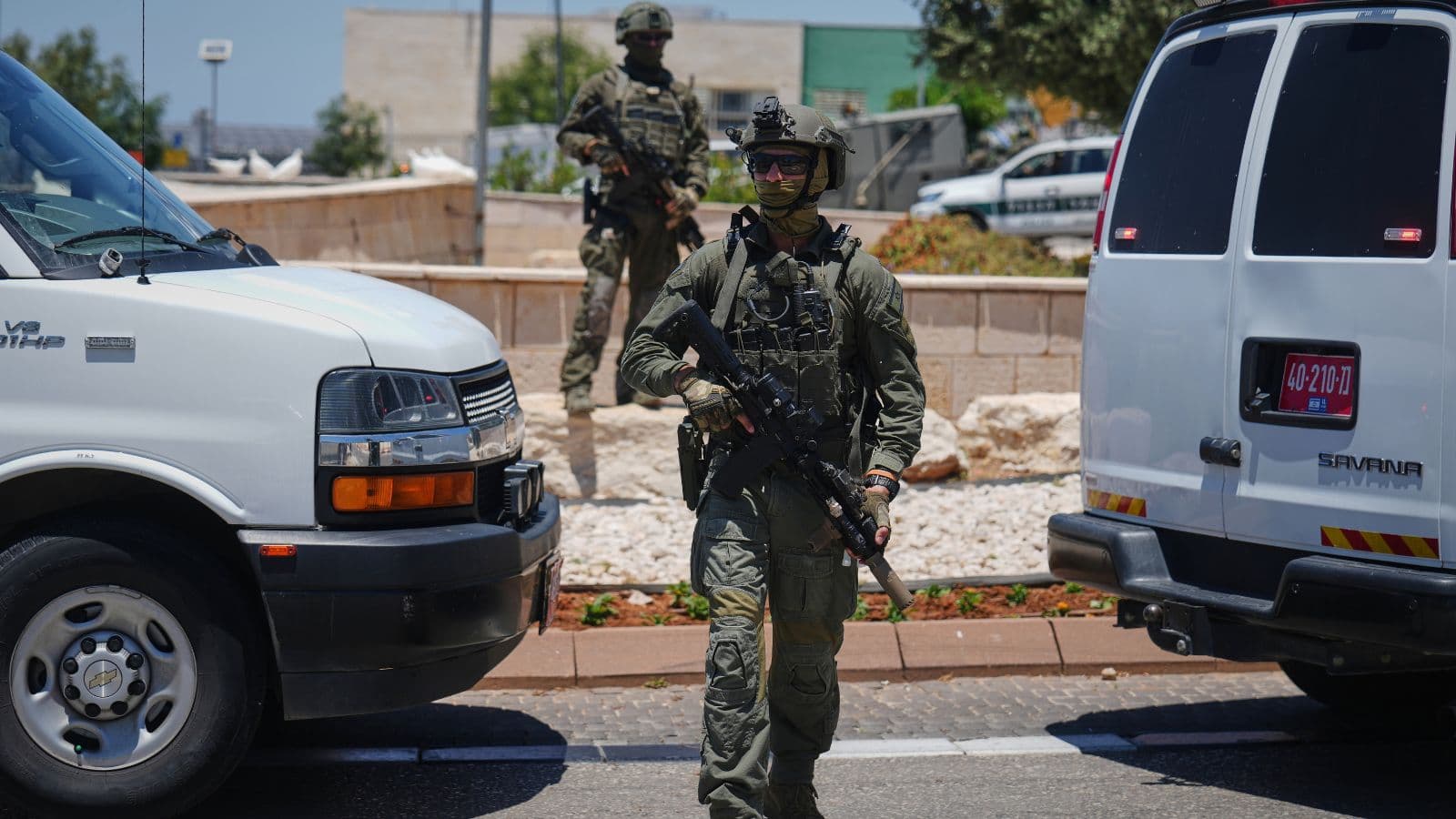
Security forces are on high alert after a series of coordinated shootings by Israeli citizens near the West Bank boundary, igniting fresh domestic tensions.
A wave of violence erupted in central Israel on Sunday, as gunmen launched a series of shooting attacks in three separate locations near the Palestinian city of Qalqilya. The incident, which left a 35-year-old man dead and six others injured, has sent shockwaves through the country, primarily because the attackers were identified as Israeli citizens—a development that has blindsided local security councils and rattled the national administration.
The violence began around 10:30 am near a gas station in Kokhav Yair, situated on the Israeli side of the boundary. According to reports, the assailants opened fire from a vehicle before moving to other nearby locations. While Israeli police neutralized at least one attacker and recovered firearms at the scene, a broader manhunt for potential accomplices remains ongoing. Residents in the affected areas were instructed to remain indoors as security forces combed the region for additional threats.
Minister Calls for ‘Profound Change’
The identity of the assailants has triggered a fierce political reaction. Finance Minister Bezalel Smotrich, a prominent hardliner, did not mince words, calling for a “profound change” within the Israeli Arab community. He asserted that a “dangerous and extremist breeding ground for terrorism” is festering within the country, aimed at dismantling the state. These remarks highlight the deepening fracture in domestic discourse, particularly as officials grapple with the reality that the threat is not limited to incursions from the West Bank.
Oshrit Gani Gonen, head of the regional council encompassing the affected towns, expressed the collective disbelief of the local leadership. "Since October 7, the scenario we were expecting was terrorists crossing into our towns from over the boundary," Gonen noted. "I don’t think anyone imagined that we would discover the attackers were Israeli citizens." This sentiment reflects a significant shift in the perceived security landscape of Israel, where the internal threat is now being weighed as heavily as the external one.
Regional Instability and Global Context
While Hamas praised the “heroic shooting attack” in an official statement, the group stopped short of claiming responsibility for the specific incident. Prime Minister Benjamin Netanyahu confirmed he is monitoring the situation following a series of security assessments. The atmosphere remains volatile, exacerbated by wider regional instability; reports from international outlets like The New York Times and global wires indicate heightened tensions involving Iran and its proxies, creating a backdrop of persistent, multi-front security anxiety.
As investigators piece together the motive behind this attack, the incident serves as a grim reminder of the volatile nature of the current climate. With regional security forces struggling to balance the threat of incursions from the West Bank alongside the emerging reality of domestic radicalization, the path to restoring normalcy in central Israel appears increasingly complex. For now, the nation remains on edge, caught between the immediate grief of the victims' families and a deepening national debate over identity, security, and extremism.
The PoliticalPedia Editorial Desk brings verified, sourced political news and analysis from across India.