Pentagon Elevates Israeli Espionage Threat Level to 'Critical' Amid Deepening Diplomatic Rift
Pentagon raises threat of Israeli spying to 'critical': U.S. media
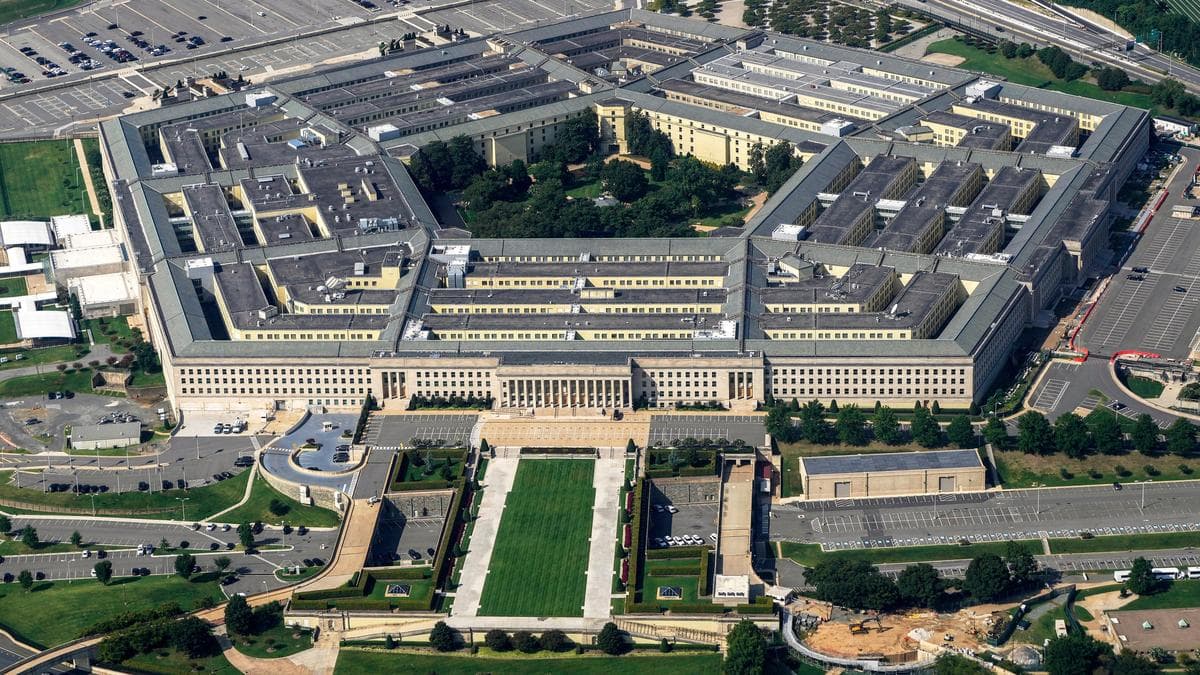
The U.S. defense establishment has reached a boiling point, categorizing intelligence-gathering activities by a key ally as a top-tier national security risk.
The Pentagon has officially elevated its counterintelligence threat level regarding Israel to "critical," signaling a profound deterioration in the security cooperation between Washington and Jerusalem. According to reports from NBC News and other major outlets, the Defense Intelligence Agency (DIA) now views Israel’s human and technical espionage capabilities as a premier threat. This reassessment places the risk posed by the long-time ally on par with, or in some assessments even higher than, that of traditional adversaries like Russia.
A Targeted Campaign on Internal Deliberations
At the heart of this escalation is an alleged pattern of Israeli attempts to intercept private communications and gain insight into the Trump administration’s internal policy debates. Reports from The New York Times indicate that senior officials, including top policy figure Elbridge Colby and President Trump’s primary negotiator, Steve Witkoff, have been the targets of these eavesdropping efforts. The Pentagon’s move reflects growing frustration with Jerusalem’s push to glean classified details regarding U.S. decision-making processes concerning the ongoing conflict in West Asia.
The timing of this intelligence pivot is particularly sensitive. Since the joint U.S.-Israeli strikes on Iran on February 28, the strategic alignment between the two nations has frayed significantly. Observers point to the divergence in war objectives as a catalyst; while the U.S. has sought to manage regional tensions, Israel’s aggressive military posture—specifically threats to strike Beirut—has caused deep friction.
Strained Ties at the Highest Levels
The diplomatic tension is no longer confined to intelligence reports. Behind the scenes, the relationship between President Trump and Prime Minister Benjamin Netanyahu appears to be under immense strain. Axios and ABC News recently detailed a heated, profanity-laden telephone exchange between the two leaders, triggered by the President’s fear that Israel’s proposed military actions in Lebanon would derail critical, delicate negotiations with Tehran.
This shift in the threat assessment reflects a broader shift in geopolitical dynamics. By categorizing Israel’s intelligence reach as a "critical" vulnerability, the Pentagon is forcing a change in how U.S. officials handle sensitive data. The move underscores a reality where, in the pursuit of their respective national interests, even the closest of allies can find themselves on opposite sides of a counterintelligence wall. As the Pentagon tightens its protocols, the diplomatic fallout from this breach of trust remains to be seen.
The PoliticalPedia Editorial Desk brings verified, sourced political news and analysis from across India.