Pakistan’s Mohsin Naqvi Reaches Tehran to Revive Iran-US Talks as Trump Pushes Tehran to Strike Deal
Pakistan's Mohsin Naqvi Reaches Tehran To Revive Iran-US Talks As Trump Pushes Tehran To Strike Deal
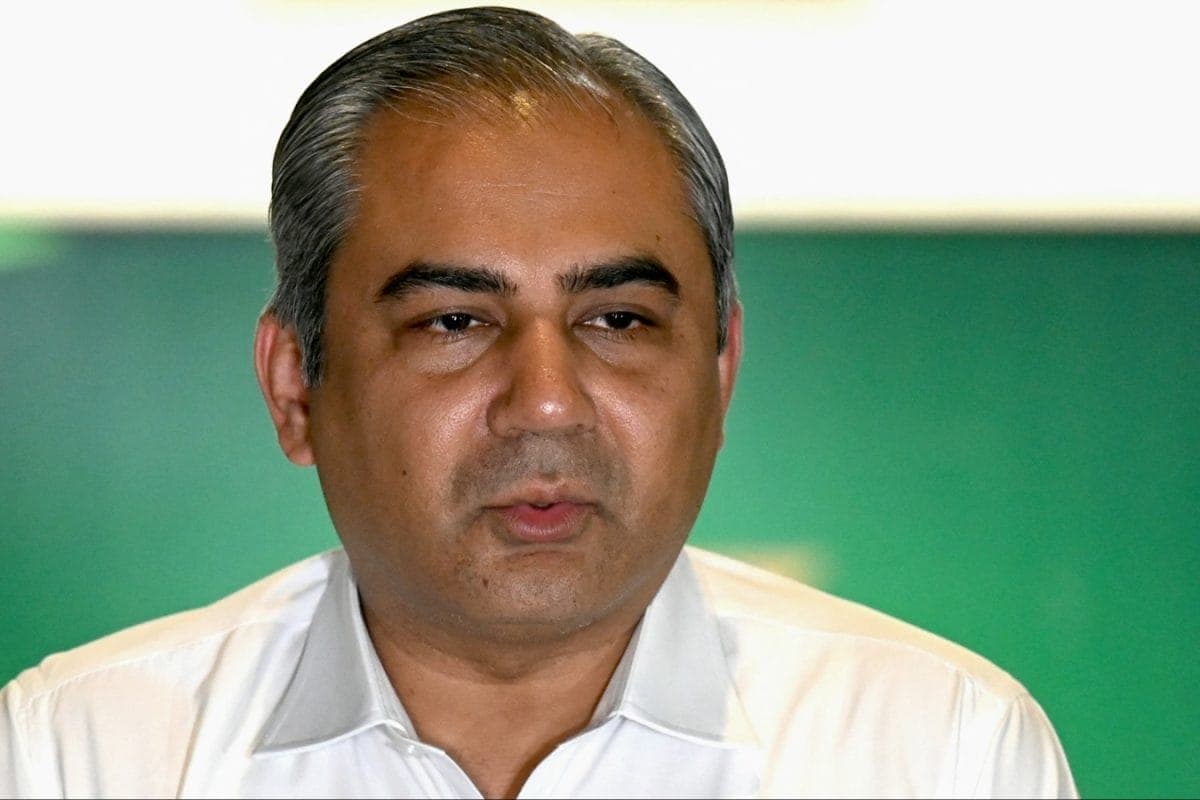
Pakistan’s Interior Minister has arrived in Iran with a high-stakes message from the military leadership, aiming to de-escalate regional volatility and facilitate a breakthrough in stalled diplomatic negotiations.
In a high-intensity diplomatic maneuver, Pakistan’s Interior Minister Mohsin Naqvi landed in Tehran this Sunday, signaling a renewed effort to revive Iran-US talks as Donald Trump continues to pressure the Iranian regime to strike a deal. The visit comes at a precarious moment, with regional stability hanging in the balance as the US and Iran trade both rhetoric and kinetic actions across the volatile Gulf corridor.
A Mission of Mediated Diplomacy
Official reports indicate that Naqvi is carrying a confidential message from Pakistan’s Army Chief, Field Marshal Asim Munir, addressed to Iran’s Supreme Leader, Ayatollah Mojtaba Khamenei. While the specific contents of the correspondence remain classified, the visit underscores Islamabad’s active role in acting as a regional bridge. Naqvi has already held formal consultations with his Iranian counterpart, Eskandar Momeni, and Foreign Minister Abbas Araghchi, with sources suggesting the dialogue is focused on tempering the current escalatory cycle.
This mediation effort is not a solitary Pakistani initiative; Islamabad is coordinating with Qatar, Turkey, and Egypt to synchronize a push aimed at lowering regional temperatures. However, the path to a sustainable agreement remains fraught with difficulty. Tehran has reportedly linked any meaningful progress to the release of $24 billion in frozen assets, while Washington maintains a hardline stance, complicating the efforts of negotiators on both sides.
Rising Tensions in the Gulf
The diplomatic mission is unfolding against a backdrop of military friction. The US Central Command recently confirmed the interception of two Iranian drones over the Strait of Hormuz, declaring them a direct threat to maritime traffic. In a parallel show of force, US assets have targeted several Iranian coastal surveillance radar sites. These actions are viewed by analysts as a "tit-for-tat" escalation, even as back-channel communication channels remain cautiously open.
For its part, Iran’s Revolutionary Guard has claimed responsibility for retaliatory strikes on American military installations in the Gulf. These incidents have rattled global energy markets, as the Strait of Hormuz remains a vital artery for international oil and natural gas shipments. The persistent threat to these shipping lanes serves as a reminder of why international stakeholders are so keen to see Pakistan succeed in its cooling-off efforts.
The Trump Factor and Hardliner Resistance
Donald Trump’s recent public posturing—alternating between threats of military dominance and hints at potential dialogue with the Iranian leadership—has added a layer of unpredictability to the situation. While some reports suggest that both Washington and Tehran acknowledge signs of progress on minor fronts, internal politics continue to act as a drag. Hardliners within Tehran remain deeply skeptical of American intentions, creating a fragmented landscape for any official deal to take hold.
As Naqvi continues his rounds in Tehran, including meetings with the Islamic Revolutionary Guard Corps (IRGC) leadership, the success of this mission rests on whether these powers can move beyond the current deadlock. For Pakistan, which shares a long, porous border with Iran and maintains significant ties to the West, preventing a full-scale regional conflict is a matter of urgent national security. Whether this latest push by Naqvi can overcome the structural distrust between Washington and Tehran, however, remains the defining question of the week.
The PoliticalPedia Editorial Desk brings verified, sourced political news and analysis from across India.