Bill Gates admits Jeffrey Epstein explored blackmail over extramarital affairs
Bill Gates says Jeffrey Epstein sought to blackmail him over extramarital affairs
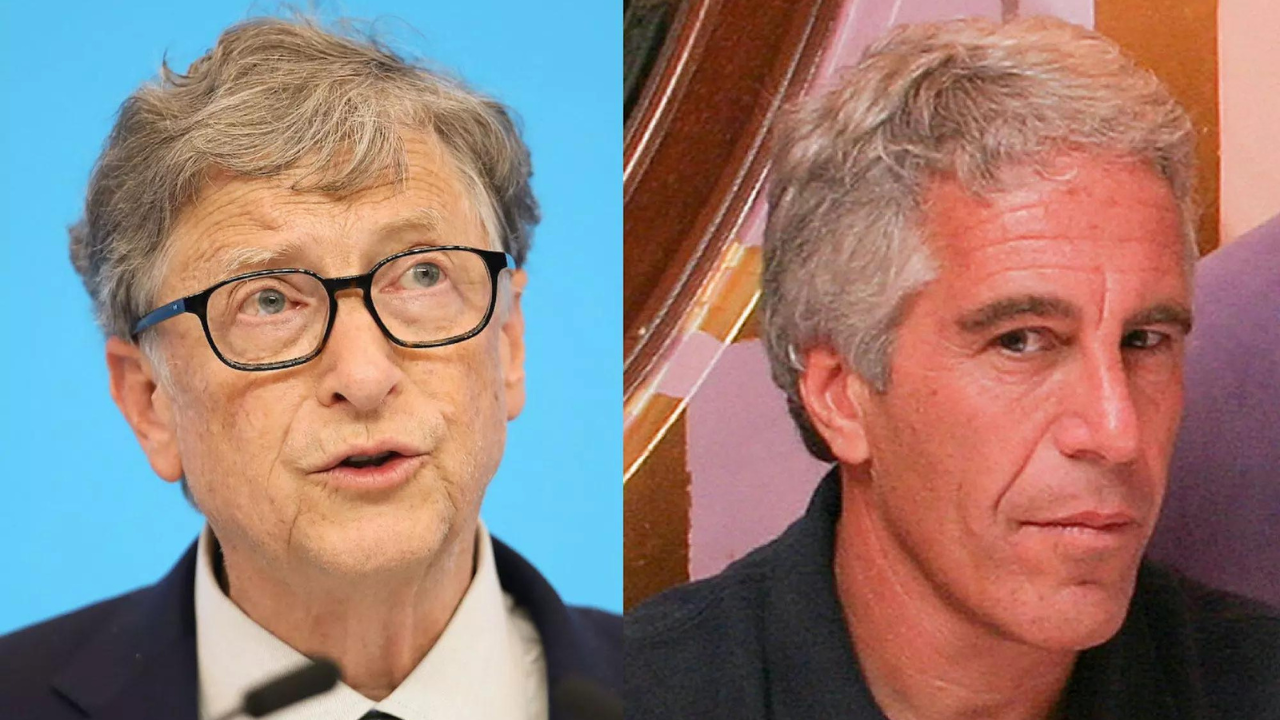
The Microsoft co-founder tells US lawmakers that the late financier appeared to be 'rehearsing' ways to exploit his personal life.
For years, the association between Bill Gates and the late financier Jeffrey Epstein has been a subject of intense public and regulatory scrutiny. Now, newly released transcripts from a closed-door session with the US House Oversight Committee reveal the extent of the unease that defined the final days of their professional relationship. Gates, testifying before lawmakers on June 10, admitted that Epstein appeared to be "brainstorming" ways to blackmail him regarding his past extramarital affairs.
The testimony provides a rare, candid look into the power dynamics between the two men. While Gates insisted that he was never formally blackmailed and that no such threats were successfully carried out, he noted that the tone of their correspondence shifted as he attempted to distance himself. According to Gates, the financier seemed to be "rehearsing" potential avenues for extortion, referencing draft emails that suggested Epstein was attempting to leverage private information to maintain influence.
A "grave error" in hindsight
The relationship between the two began in 2011, years after Epstein had already pleaded guilty to soliciting a minor for prostitution. Gates, now 70, acknowledged to the committee that he was aware of the financier’s legal troubles at the time but claimed he was misled into believing Epstein could facilitate major philanthropic funding for global health projects.
"I should never have met with Epstein in the first place," Gates stated, labeling the association a "grave error in judgment." He expressed clear regret for any interaction that may have inadvertently bolstered the reputation of a man who died in 2019 while awaiting trial on federal sex trafficking charges. Gates maintained throughout the testimony that he never victimised anyone and that he was unaware of the full extent of Epstein’s criminal conduct when they first connected.
Why it matters: The shadow of the billionaire class
The significance of this disclosure goes beyond the personal life of a tech titan. This testimony highlights the recurring pattern of how high-net-worth individuals, often focused on global philanthropy, can find themselves entangled with predatory figures who leverage proximity for social and financial capital. The case serves as a stark reminder of the risks associated with elite circles where institutional safeguards and due diligence are often bypassed in favour of networking.
For the business world, the revelation reinforces the critical importance of vetting associates, regardless of the perceived utility they bring to a project. As investigators continue to piece together the reach of Epstein’s network, these admissions from one of the world's most prominent figures suggest that even the most powerful are not immune to being caught in the orbit of such complex, illicit schemes.
Rohan Gupta covers the economy, markets and companies for PoliticalPedia.