The UAE’s OPEC Exit: A High-Stakes Redrawing of the Global Oil Map
Oil math: How UAE's exit from OPEC will impact world’s energy market
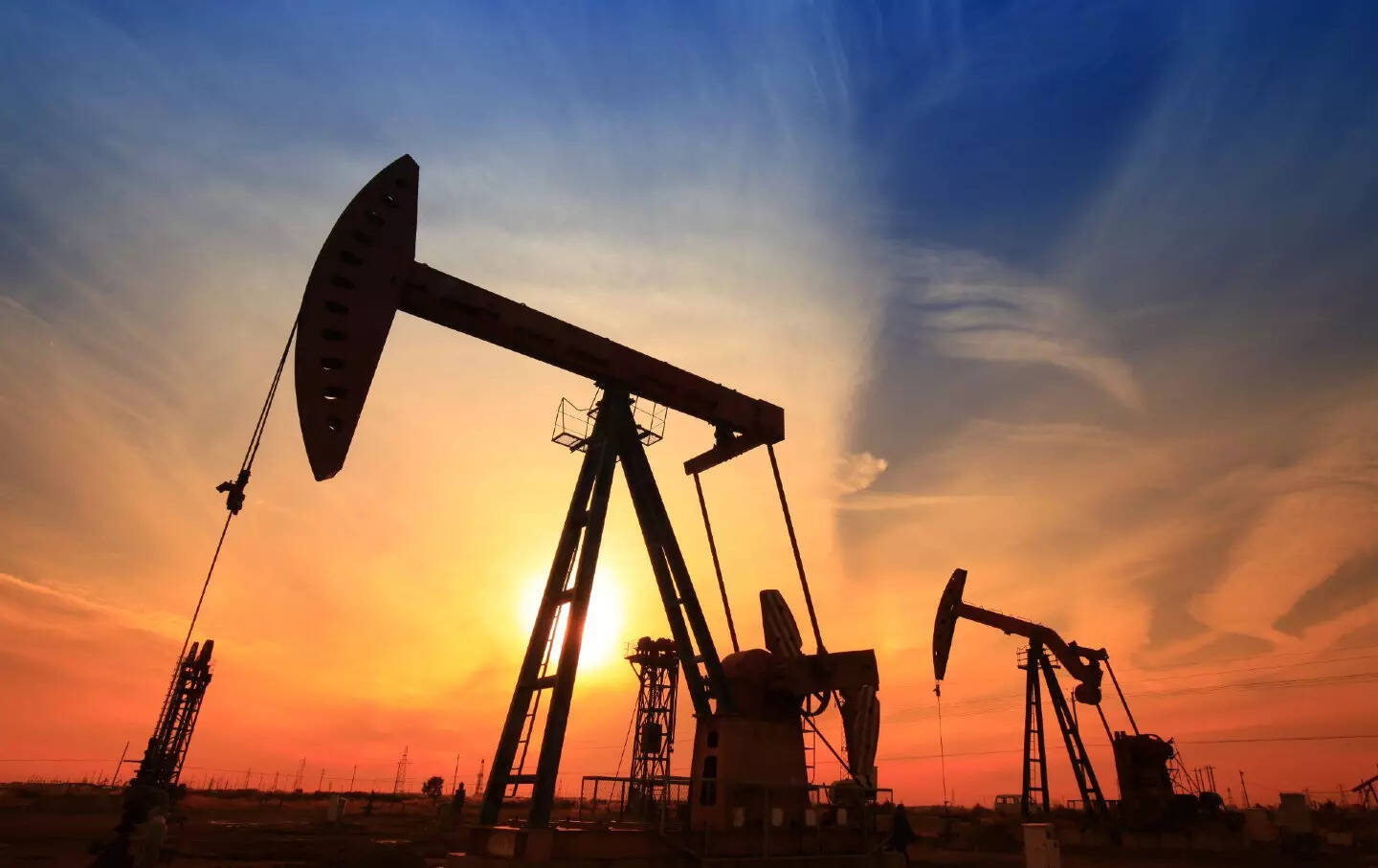
As the UAE moves to walk its own path after 59 years, the shift threatens to dilute OPEC’s grip on crude production and reshape the energy equations for importing nations like India.
The oil markets are grappling with a seismic shift. For nearly six decades, the UAE was a cornerstone of the OPEC alliance, but its official withdrawal as of May 1, 2026, has sent tremors through energy circles. According to the US Energy Information Administration, the impact on the group’s leverage is stark. In 2025, OPEC controlled roughly 35% of global crude production—a figure that drops to 31% with the UAE now operating outside the cartel's production quotas.
This isn't just about a change in membership; it is a structural fracture. The broader OPEC+ alliance, which relies on coordination to stabilize prices, saw its market share sit at 46% during the previous year. By pulling out, the UAE isn't just reclaiming its sovereign right to ramp up or scale back production; it is effectively challenging the "cartel-first" model that has defined the Middle East's influence over the global economy for generations.
The Math Behind the Market
When a heavyweight producer steps away, the arithmetic of supply changes overnight. For years, the UAE had been navigating internal friction, particularly regarding production quotas that arguably stifled its capacity. With the country now free to set its own targets, the "oil math" becomes more unpredictable. Analysts are watching closely to see if this leads to an output surge that could soften prices, or if it triggers a deeper, more volatile competition for market share between Riyadh and Abu Dhabi.
For a resource-hungry economy like India, the stakes are layered. We have long relied on stable, predictable relations with OPEC members to manage our energy import bills. If the UAE’s departure leads to a fragmented market where individual nations prioritize their own production goals over group consensus, the resulting price volatility could complicate domestic budget planning and inflationary pressures.
Why It Matters
The bigger picture here is the slow erosion of the traditional "cartel" power structure. As the UAE chooses competition over the constraints of the group, it signals that the strategic priorities of Gulf nations are diverging. This isn't just an energy story; it is a geopolitical realignment. We are seeing a shift where national self-interest—the desire to maximize revenue and capture market share while the world is still thirsty for crude—is trumping the collective discipline that OPEC once enforced. For the global market, the age of predictable oil supply management is being replaced by a more competitive, and likely more turbulent, game of numbers.
Priya Nair covers parties, elections and the business of power for PoliticalPedia.