Beyond the Toilets: Why 74% of Girls in Odisha Miss School During Menstruation
Lack of privacy, toilets, persistent stigma forces girls in Odisha to miss school during menstruation
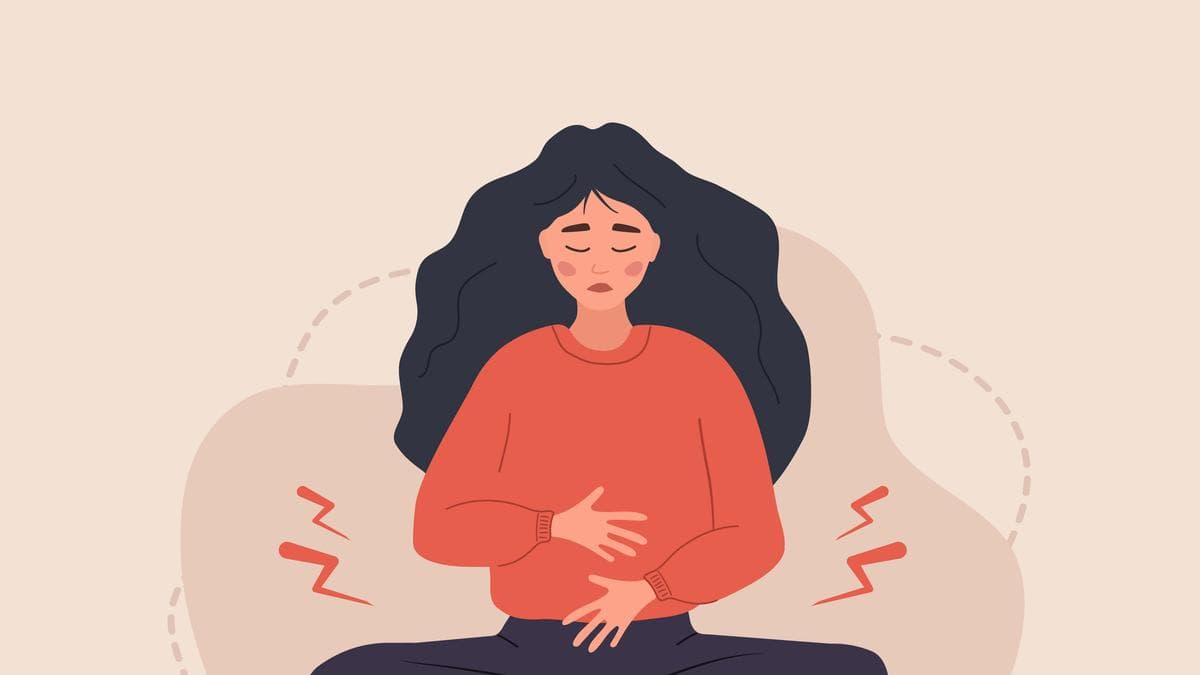
A new multi-stakeholder assessment reveals that despite improved enrolment, systemic gaps in menstrual hygiene and deep-seated stigma are forcing thousands of students to stay home.
For years, India’s educational success has been measured by the number of girls entering the classroom. Yet, a landmark study released at the Menstrual Health and Hygiene Conclave 2026 suggests that while the doors to schools have opened, the experience inside remains fractured. Data gathered from 177 educational and public institutions across Odisha reveals that nearly 74% of adolescent girls regularly miss school during their cycle, with absences stretching from one to eight days each month. This recurring disruption is not merely a biological challenge; it is a structural barrier that threatens to undo years of progress in gender parity.
The Infrastructure Paradox
The research, conducted by an alliance including UNICEF, Aaina, WaterAid, AIIMS Bhubaneswar, and IIT Bhubaneswar, highlights a jarring disconnect between policy and reality. While 94% of the schools surveyed in 14 districts claim to provide separate toilets for girls, the presence of a structure does not equate to a safe environment. The study found that basic hygiene essentials—specifically clean water and soap—are inconsistently available.
More concerning is the complete lack of disposal protocols. Approximately 56% of schools operate without dedicated facilities for menstrual waste, forcing students to rely on unsafe, open disposal methods that create both environmental hazards and public health risks. Without functional incinerators or private, dignified spaces, the school bathroom ceases to be a facility and becomes a source of anxiety.
Stigma and the Support Gap
Beyond the physical infrastructure, the culture within the school gates remains a significant obstacle. The assessment identifies physical pain as the primary reason for absence, but this is compounded by a profound lack of institutional support. Only 27% of the surveyed schools provide access to a nurse or health worker, and less than half maintain even basic first-aid kits. This effectively leaves adolescent girls to manage significant physical distress in isolation, with no one to turn to for guidance or emergency care.
This "menstrual poverty" is further fueled by persistent social stigma. The silence surrounding puberty often leaves girls unprepared for their first cycle, with some reports indicating that nearly half of students feel scared or lack prior knowledge before menarche. When schools fail to integrate menstrual health into their daily support systems, the classroom becomes a place where girls feel exposed rather than empowered.
A Call for Institutional Reform
The crisis is not confined to the classroom. Audits of public spaces in Bhubaneswar, informed by the inputs of over 800 young people and the Public Spaces Assessment Framework, show that public institutions are similarly ill-equipped. With 73% of public offices surveyed failing to provide sanitary products for visitors or staff, the lack of inclusivity is systemic.
To bridge this gap, advocates are calling for an immediate overhaul of school-based clinical systems and the implementation of "period-friendly" infrastructure. For millions of girls, the ability to attend school is currently conditional. Transforming these institutions into truly inclusive spaces requires more than just bricks and mortar; it demands a shift in how the state prioritizes the health and dignity of its young women as a fundamental right rather than a peripheral concern.
The PoliticalPedia Editorial Desk brings verified, sourced political news and analysis from across India.