Beyond the Paper Leak: The NTA’s New ‘Zero-Trust’ Protocol for NEET
घड़ियां-कैमरे भी NTA के ही लगेंगे, NEET री-एग्जाम के लिए पहली बार ऐसे इंतजाम
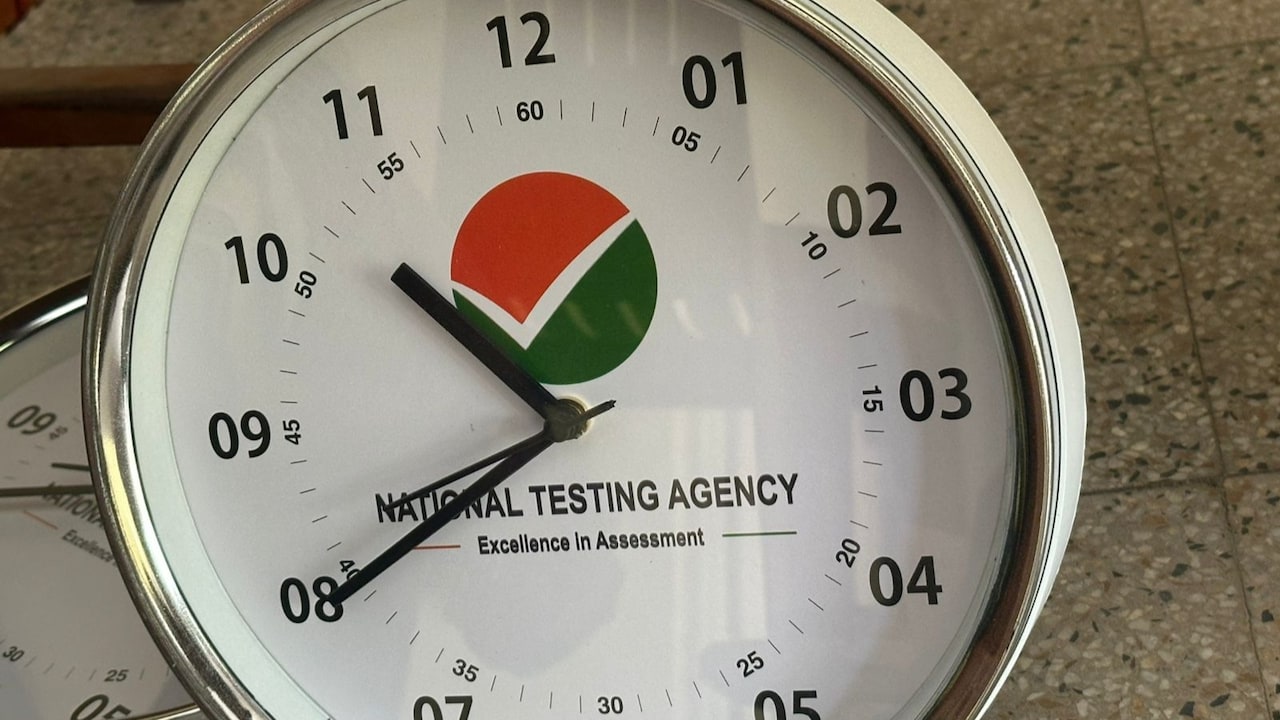
In a desperate bid to restore faith in the sanctity of the NEET exam, the testing agency is stripping exam centers of their autonomy by mandating centrally-controlled surveillance and timing equipment.
The ghost of the recent NEET paper leak has forced a radical shift in how the National Testing Agency (NTA) conducts its high-stakes entrance exam. For the first time, the agency is moving away from relying on the local infrastructure of exam centers. Under the new security framework, local wall clocks and private CCTV setups are being sidelined. Instead, the NTA will install its own standardized clocks and digital surveillance cameras at every designated venue to eliminate any possibility of local collusion or time-tampering.
The End of Local Autonomy
For years, the integrity of the NEET process rested on the assumption that individual exam centers would act as responsible custodians of the paper. That trust was shattered by a series of leaks that triggered nationwide protests and fierce political backlash. By forcing centers to use NTA-provided equipment, the agency is effectively declaring a "zero-trust" policy. This isn't just about preventing cheating; it’s about signaling to the lakhs of students who feel the system is rigged that the environment they walk into will be uniform, monitored, and directly under central control.
A System Under Fire
The outcry from students and educators has been relentless. From voices like Khan Sir in Patna to the relentless coverage across networks like AajTak and NDTV, the consensus is clear: the credibility of the NTA has hit an all-time low. The political fallout has been equally significant, with figures like Rahul Gandhi questioning the systemic failures of a body meant to ensure a meritocratic playing field. The current move to replace local infrastructure is a direct, albeit reactive, response to these allegations of deep-rooted "leak-tants" (leak syndicates) that have compromised the exam's sanctity.
Why it Matters: The Credibility Gap
This is more than a logistical upgrade; it is a desperate attempt to patch a leaking ship. While installing cameras and clocks under direct control might prevent localized irregularities, it addresses only the symptoms, not the disease. The real test for the NTA isn't just about hardware—it’s about whether the internal oversight mechanism can survive a high-pressure environment. If the NTA wants to regain public confidence, it needs to demonstrate that it can secure the entire supply chain of the exam, from the press to the classroom. Until then, every new security measure will be viewed with skepticism by parents and students alike.
The Path Ahead
Whether these unprecedented arrangements are enough to insulate the exam from future leaks remains an open question. For now, the focus is squarely on the upcoming re-exam. As the agency tries to move past the controversy, it faces the challenge of proving that the "leak-proof" tag is more than just a bureaucratic promise. The entire education-jobs sector is watching, waiting to see if these technical safeguards are a sign of genuine reform or merely a cosmetic fix for a fractured system.
Arjun Mehta reports on government, policy and Parliament for PoliticalPedia, in English and Hindi.