Operation Integrity: NTA Deploys IAF and Massive Security Blanket for NEET Re-Exam
NEET Re-Exam 2026: NTA Conducts Nationwide Mock Drills Amid Unprecedented Security Measures
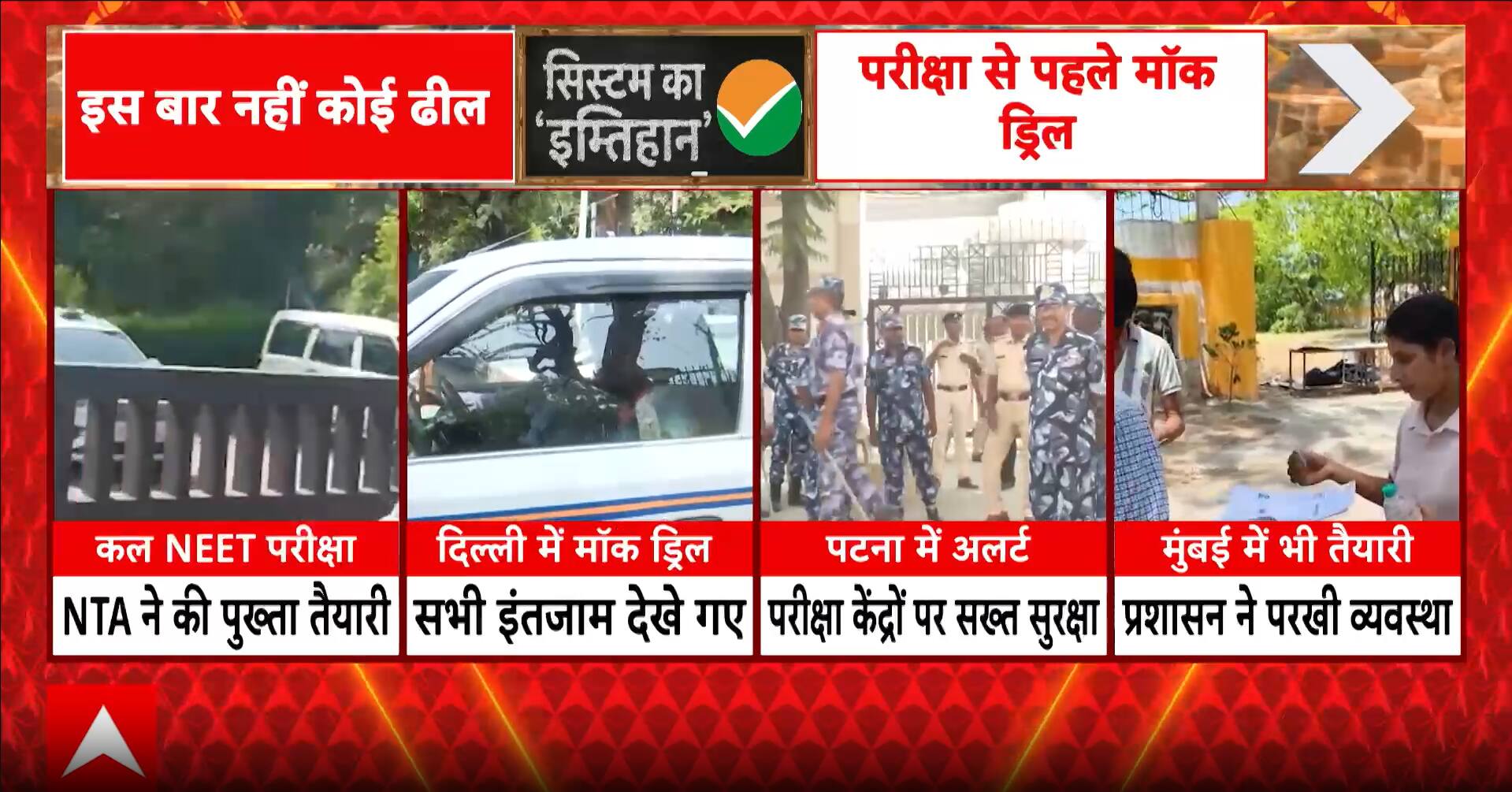
From air-lifting question papers to locking down exam centers, the NTA is leaving nothing to chance as 22 lakh students prepare for a do-over.
The corridors of power in New Delhi are humming with a singular, high-stakes mission: restoring faith in the country's most critical medical entrance test. With the NEET re-exam looming on June 21, the National Testing Agency (NTA) has shifted into a war-room footing. Across the country, the agency is conducting extensive nationwide mock drills to ensure that the procedural lapses which marred the previous attempt are not repeated. This isn’t just an exam anymore; it is a logistical fortress.
A Massive Security Overhaul
The scale of the mobilization is unprecedented. With roughly 22 lakh students set to appear, the government has deployed nearly two lakh personnel to maintain order. The security grid is exhaustive: the Indian Air Force has been brought in to ensure the secure transit of question papers, while paper setters and translators have been placed under strict isolation. From Patna, where 95 centres are designated as high-security zones, to schools in Kashmir that have shuttered for the event, the administrative machinery is moving in lockstep.
The rules for candidates are equally stringent. Mobile phones, smartwatches, and even Bluetooth devices are strictly prohibited. In a departure from typical procedures, the NTA has launched a dedicated WhatsApp channel to push verified updates, aiming to cut through the noise of social media rumors. Meanwhile, platforms like Telegram are facing temporary restrictions to prevent the organized malpractice that tainted the initial process.
Why it Matters: The Bigger Picture
This exercise is about more than just conducting a test; it is an attempt to salvage the credibility of India’s medical education pipeline. The decision by the National Medical Commission (NMC) to bar medical students from taking leave during this window underscores the gravity of the situation. The recurring protests at Jantar Mantar, where students have symbolically turned to "plates and spoons" to demand transparency, highlight a deep-seated anxiety among the youth.
For the NTA, this is a litmus test for institutional accountability. The sheer volume of observers—6,500 in total—and the deployment of the CISF alongside local police reflect a clear shift: the state is no longer willing to risk the sanctity of the exam to local management. If these measures succeed on June 21, it might set a new, rigid template for how high-stakes competitive examinations are administered in India. If they fail, however, the questions regarding the NTA's long-term viability will only grow louder.
The Ground Reality
While major metros like Mumbai see heavy deployments, the focus remains on the "high-security" label applied to hundreds of centers. The move to isolate question paper setters signals that the agency is moving away from purely digital or local-level management, opting instead for a "physical isolation" model. As the country watches, the success of this re-exam rests on whether these drills translate into a seamless experience for the lakhs of aspirants waiting for a fair shot at their future.
Arjun Mehta reports on government, policy and Parliament for PoliticalPedia, in English and Hindi.