Beyond the Numbers: Decoding Piyush Goyal’s Push for a $2 Trillion Export Vision
Goyal meets exporters to discuss ways to boost shipments, leverage FTAs
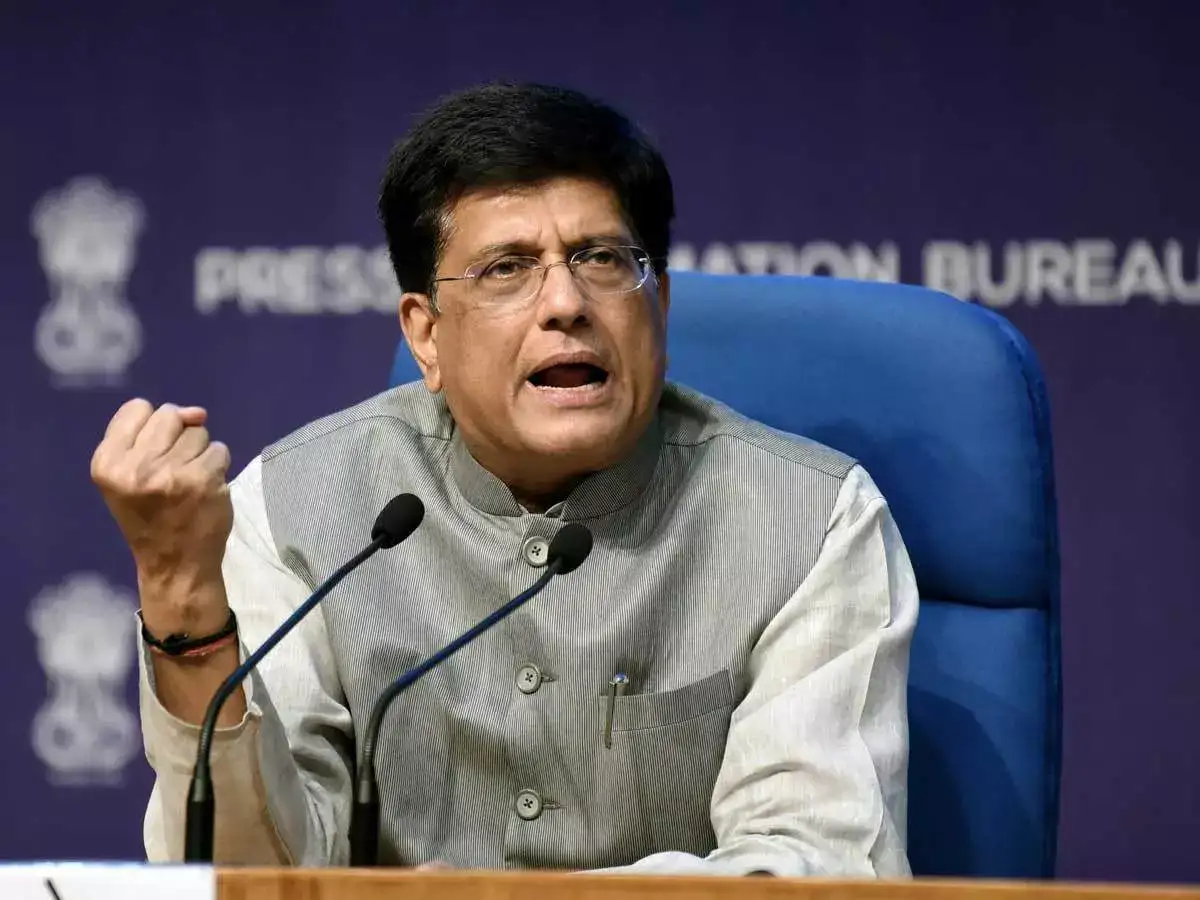
Commerce Minister Piyush Goyal’s latest meeting with industry councils signals a shift from broad targets to granular, KPI-driven accountability in India’s trade strategy.
The mood inside the ministry this week was far from celebratory, despite India’s exports touching a six-month high of USD 45.2 billion in May. While the 18 per cent jump offers a much-needed tailwind, the widening trade deficit—now at USD 28.21 billion—casts a long shadow. Commerce and Industry Minister Piyush Goyal chose this moment to bring Export Promotion Councils (EPCs) and industry leaders into a room, moving the conversation away from general optimism toward the hard, cold math of Key Performance Indicators (KPIs).
For years, export targets were broad, aspirational goals. Now, under the guidance of the Directorate General of Foreign Trade (DGFT), the ministry is introducing a rigorous four-pillar framework: export performance, market diversification, exporter ecosystem, and policy facilitation. The message to the industry is clear: the era of passive reporting is over. Councils are now expected to track and report their progress on onboarding new exporters, the frequency of capacity-building workshops, and their actual, on-ground participation in international trade engagements.
Leveraging the FTA Advantage
The strategy hinges on one critical lever: Free Trade Agreements (FTAs). With the recent India-New Zealand trade discussions and the ongoing negotiations for an India-EU deal—often dubbed the "mother of all trade deals"—the ministry is pushing for better utilization of existing market access. Goyal has made it clear that signing a treaty is only half the battle. The real work lies in ensuring that MSMEs and large manufacturers alike can actually navigate the complex rules of origin and regulatory shifts to get their goods into these new markets.
The government’s plan involves an ambitious outreach program, including 500 delegations and engagement with over 1,600 industry chambers. The aim is to bridge the gap between policy and practice, ensuring that trade deals aren't just diplomatic wins, but functional gateways for Indian goods.
Why it matters: The Big Picture
This shift toward KPI-based accountability marks a maturing of India’s trade policy. By tightening the feedback loop between the government and exporters, the ministry is attempting to professionalize the country's export ecosystem. It is a strategic move to insulate the domestic economy from global volatility—like tariff uncertainties or shifts in the global value chain—by diversifying where we sell and who is doing the selling.
If India is to meet its audacious USD 2 trillion export target by 2030, the government realizes it can no longer rely on a handful of large players. It needs to build a bottom-up structure that brings smaller, specialized firms into the global fold. Whether this rigid tracking will spark the desired innovation or just create a new layer of bureaucratic paperwork remains the primary question for the industry. For now, the signal is unambiguous: the government wants results, and it wants them measured.
Kabir Sharma writes on culture, technology and everyday life for PoliticalPedia.