Beyond the Guesswork: How Soil Health Cards are Reshaping Farming in Gujarat
‘X-ray of the soil’ helps Gujarat farmers cut fertiliser use, boost yields
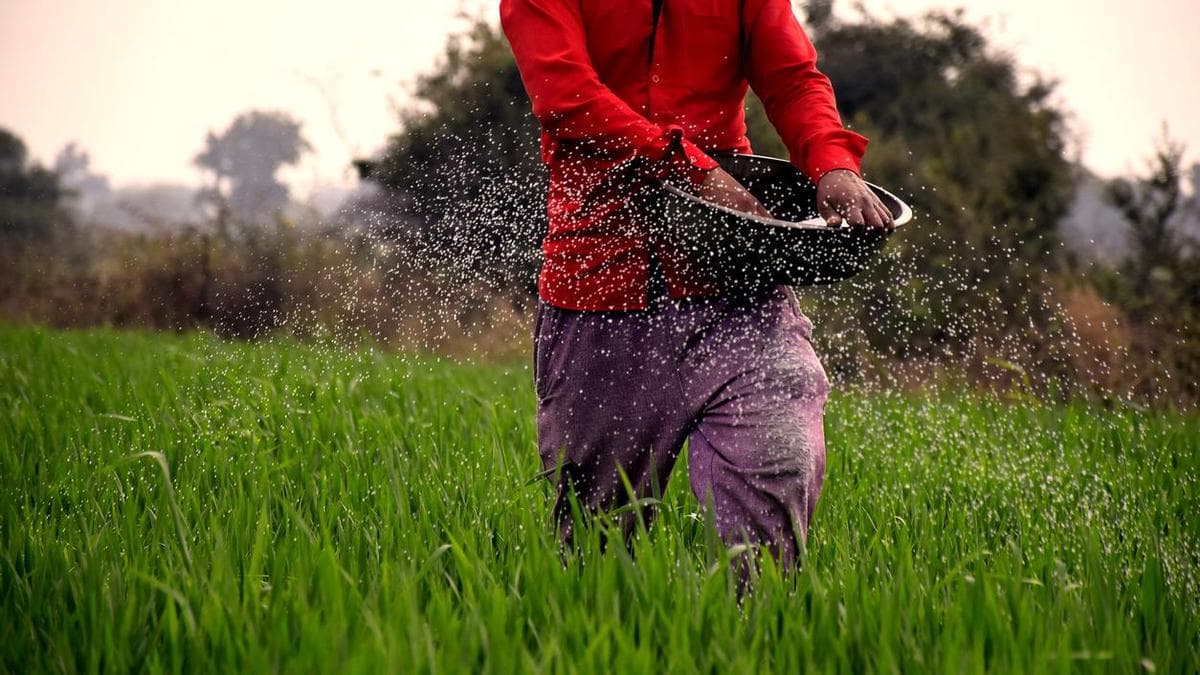
By shifting from traditional farming habits to data-driven nutrient management, farmers in Gujarat are achieving record-breaking yields while slashing input costs.
For years, Hirenbhai Nakrani, a cotton farmer in Bhavnagar’s Gariadhar village, relied on intuition and habit to nurture his 12 bighas of land. Like many of his peers, he applied heavy doses of urea and DAP, believing more was always better. That cycle broke when he participated in the state’s soil health testing initiative. After a laboratory analysis revealed his field’s true composition, he cut his chemical fertiliser use by nearly half. The result was transformative: his yield surged from 8 tonnes to 11.24 tonnes, proving that precision agriculture is far more effective than traditional over-application.
A Scientific Shift for the Soil
This success story is part of a quiet agricultural revolution facilitated by the state's Soil Health Card programme. Over the last two decades, Gujarat has issued more than 2.23 crore cards to farmers, providing them with a diagnostic "X-ray" of their land. The programme, which originated in Gujarat in 2003-04 before being adopted nationally in 2015, relies on a network of 21 soil testing laboratories and one dedicated micronutrient facility to translate complex chemistry into actionable farming advice.
According to Parul Parmar, Assistant Director of Agriculture at the Gandhinagar Soil Testing Laboratory, the reports are comprehensive. Each card evaluates 12 critical parameters, ranging from primary nutrients like nitrogen, phosphorus, and potassium to vital micronutrients such as zinc, iron, copper, and manganese. By tailoring nutrient application to these specific findings, farmers are moving away from the expensive and often harmful practice of blanket fertiliser usage.
Economic and Ecological Gains
The impact on the ground extends beyond individual success stories. Officials within the agriculture department note that the initiative is designed to strike a balance between land productivity and environmental sustainability. By reducing the chemical burden on the earth, farmers like Arunbhai Meniya from Surendranagar’s Lakhtar taluka have reported tangible improvements in soil quality. After adopting recommendations from his report, Meniya shifted toward organic inputs, noting that his land now retains moisture significantly better than it did before.
For the state, the mission remains ambitious. With a current target to process 2.18 lakh new soil samples, the government aims to keep the momentum going. Agriculture officials emphasize that the accuracy of these reports depends heavily on the farmers themselves following standard sampling procedures, ensuring that the samples collected truly represent the health of the entire field.
Why it Matters
This shift is crucial for India’s agrarian economy, where input costs have historically eroded profit margins for small-scale farmers. By treating the soil as a managed asset rather than a bottomless pit for synthetic chemicals, Gujarat’s model offers a blueprint for sustainable food production. As these data-backed practices gain traction, the goal is not just to maintain yields, but to lower the financial risk for farmers while restoring the long-term fertility of the land.
The PoliticalPedia Editorial Desk brings verified, sourced political news and analysis from across India.