Beyond the Farm: Why India Must Rethink Fertiliser Security Amid West Asia Instability
West Asia crisis: Why India needs a fertiliser security strategy
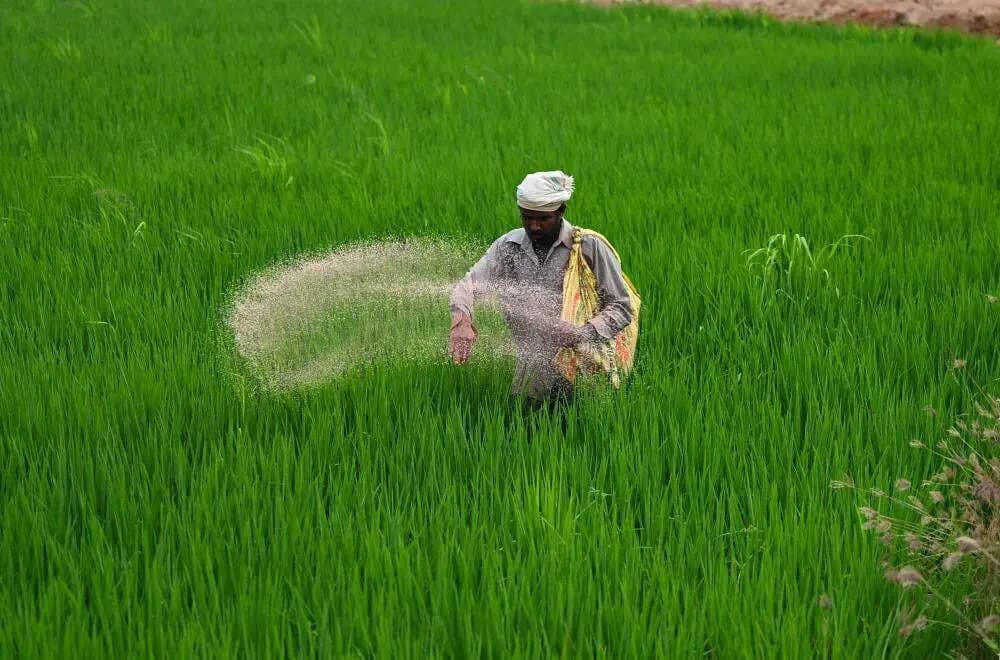
As geopolitical tensions flare in West Asia, India faces a critical test of its agricultural resilience, necessitating a deeper look at how energy markets and global supply chains dictate domestic food security.
The ongoing conflict in West Asia is far more than a regional geopolitical crisis; for India, it serves as a stark warning regarding the fragility of agricultural input systems. While the country often focuses on farm-level production to ensure food availability, the actual security of our harvest is anchored in the stability of global energy markets and maritime trade routes. With critical passages like the Strait of Hormuz facing potential disruptions, the rising costs of natural gas and essential nutrients threaten to ripple through our economy, impacting everything from the farmer’s profit margin to the average household’s monthly budget.
The Hidden Costs of Dependence
India’s reliance on foreign markets for agricultural inputs is significant. The nation imports almost its entire requirement of potash and roughly 60% of its diammonium phosphate (DAP). Furthermore, domestic urea production is inextricably linked to the availability of imported liquefied natural gas. When we consider that approximately half of our natural gas and 85% of our crude oil are sourced from abroad, the vulnerability becomes clear. A spike in global energy or fertiliser prices is not just a commercial hurdle; it is a macroeconomic threat that can dampen national growth.
Recent market data from early 2026 illustrates the severity of these risks. Between February and April of that year, international prices for crude oil and fertilisers surged by 58% and 66%, respectively. Economists utilizing the Rural Investment and Policy Analysis (RIAPA) framework suggest that if these costs had been fully passed on to the public, retail inflation could have spiked to 5% by April, significantly higher than the recorded 3.48%. Such inflationary pressure would hit rural households the hardest, as a large portion of their expenditure is directed toward fuel, transport, and food.
Macroeconomic Risks and Policy Hurdles
The current situation invites a broader conversation about fiscal management, as the government faces difficult choices in a volatile climate. While the RBI policy remains focused on maintaining price stability, the external shocks emanating from West Asia complicate the outlook. If the conflict persists, the fiscal burden of absorbing a 45% increase in import prices for energy and chemical inputs—coupled with a potential 10% shortage in urea—could lead to a 1% contraction in GDP. This is not merely an input-cost issue; it is a systemic risk that threatens to weaken consumption and investment.
The repeated disruptions caused by the pandemic, the Russia-Ukraine war, and now the volatility in West Asia highlight a recurring weakness in our development trajectory. Our food systems are currently tethered to imported energy and raw materials, making the domestic economy highly susceptible to events unfolding thousands of miles away. Moving forward, India must look for ways to insulate its farmers and consumers from these exogenous shocks. Ensuring that the supply chain for food and nutrients is robust is no longer just an agricultural concern; it is a fundamental requirement for national economic stability.
The PoliticalPedia Editorial Desk brings verified, sourced political news and analysis from across India.