Beyond the China+1 Shift: India’s Quiet Surge in Global Manufacturing
India climbs global manufacturing rankings amid China+1 shift
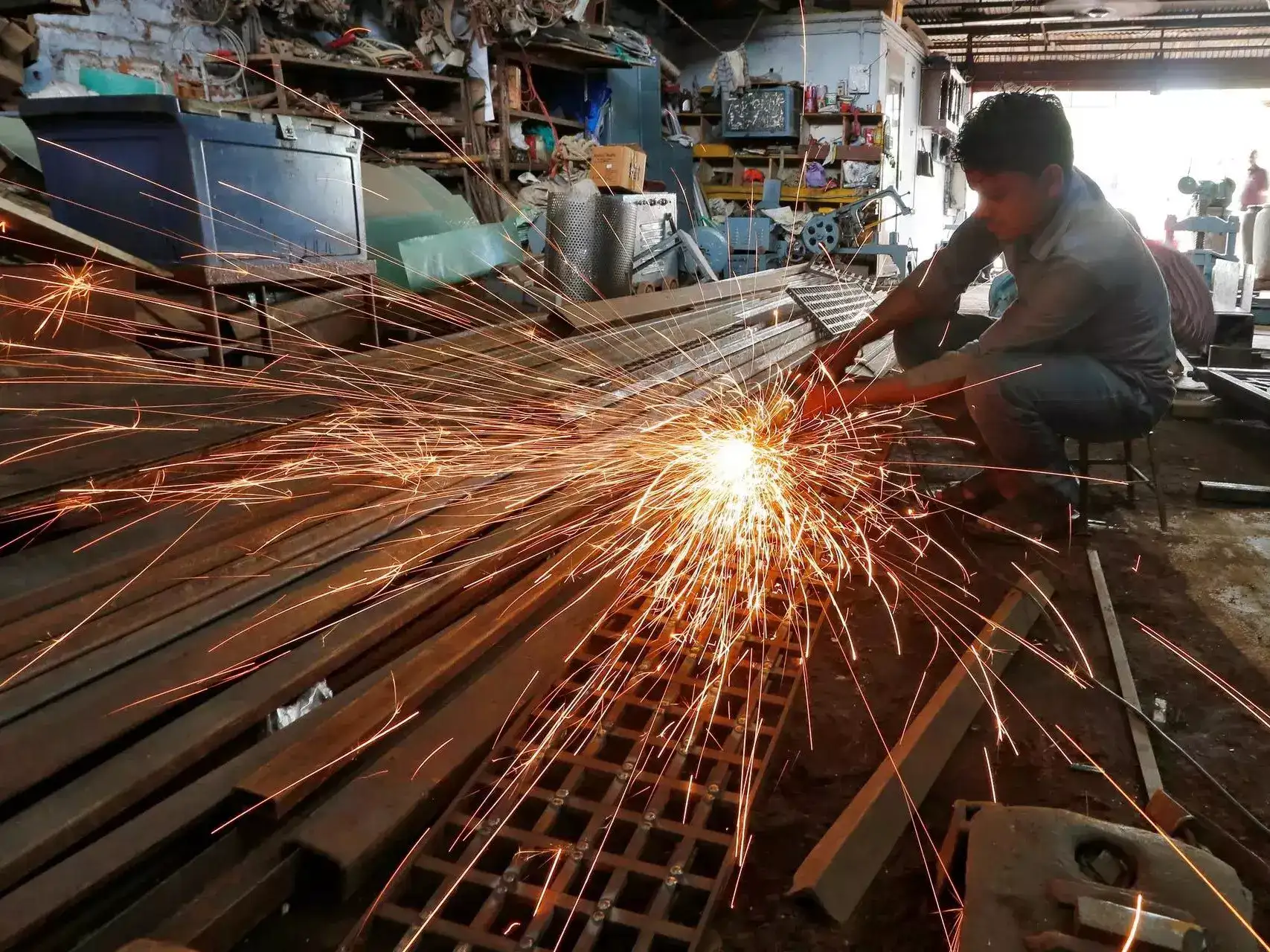
New data shows India’s manufacturing growth is finally outpacing global benchmarks as industrial reforms gain traction.
For years, the phrase "China+1" was merely a boardroom buzzword whispered in Delhi’s policy circles. Today, it is showing up in the cold, hard math of industrial output. A new analysis from ASSOCHAM reveals a structural shift: India’s manufacturing growth has climbed from an average of 3.44% in the pre-pandemic years to 4.15% for the 2022-25 period. More importantly, India has moved from trailing the world average to performing nearly two percentage points above it.
This isn't just a statistical fluke; it marks a transition for India from a laggard to one of the world’s "Emerging Manufacturing Leaders." While the global economic landscape remains fractured by geopolitical uncertainty and rising input costs, the country has managed to align itself with heavyweights like the United States, Germany, and France, all of which have also outperformed the global manufacturing benchmark in the post-pandemic era.
The Engines of Growth
What changed? According to industry watchers, the turnaround is the result of a deliberate push to move beyond historical bottlenecks. The integration of infrastructure projects like PM Gati Shakti with the scale of the Production Linked Incentive (PLI) schemes has provided a much-needed tailwind. Improved logistics and a steady rise in domestic demand have allowed firms to maintain positive growth sentiment even as global markets wobble.
Nirmal K Minda, President of ASSOCHAM, points out that the global shift is no longer just about chasing the lowest cost of production. Companies are now prioritising resilience and diversification, and India is successfully positioning itself as a stable, reliable partner in that search. The FICCI survey for the January-March period of FY26 corroborates this, showing that despite lingering inflationary pressures, the appetite for expansion remains robust.
Why it matters: The Bigger Picture
The significance of these numbers lies in the reversal of a long-standing trend. Before the pandemic, the global manufacturing stage was dominated by a select few, with China consistently setting a pace that few could match. Now, as China faces a cooling trend—dropping into negative growth territory relative to the global benchmark—the vacuum is being filled by a diverse set of economies.
For India, the task ahead is to prove that this momentum is sustainable. Moving from "emerging" to "established" requires more than just policy announcements; it demands that the actual ease of doing business keeps pace with investor expectations. While the current data suggests the country is on the right track, the real challenge will be sustaining this performance when the initial excitement of supply chain relocation settles into the day-to-day grind of competitive global trade.
Priya Nair covers parties, elections and the business of power for PoliticalPedia.