Ethanol Anxiety: Hardeep Puri Dismisses Engine Damage Claims as Misinformation
'Serviced vehicles not facing difficulty': Hardeep Puri rejects engine damage claims over E20 fuel
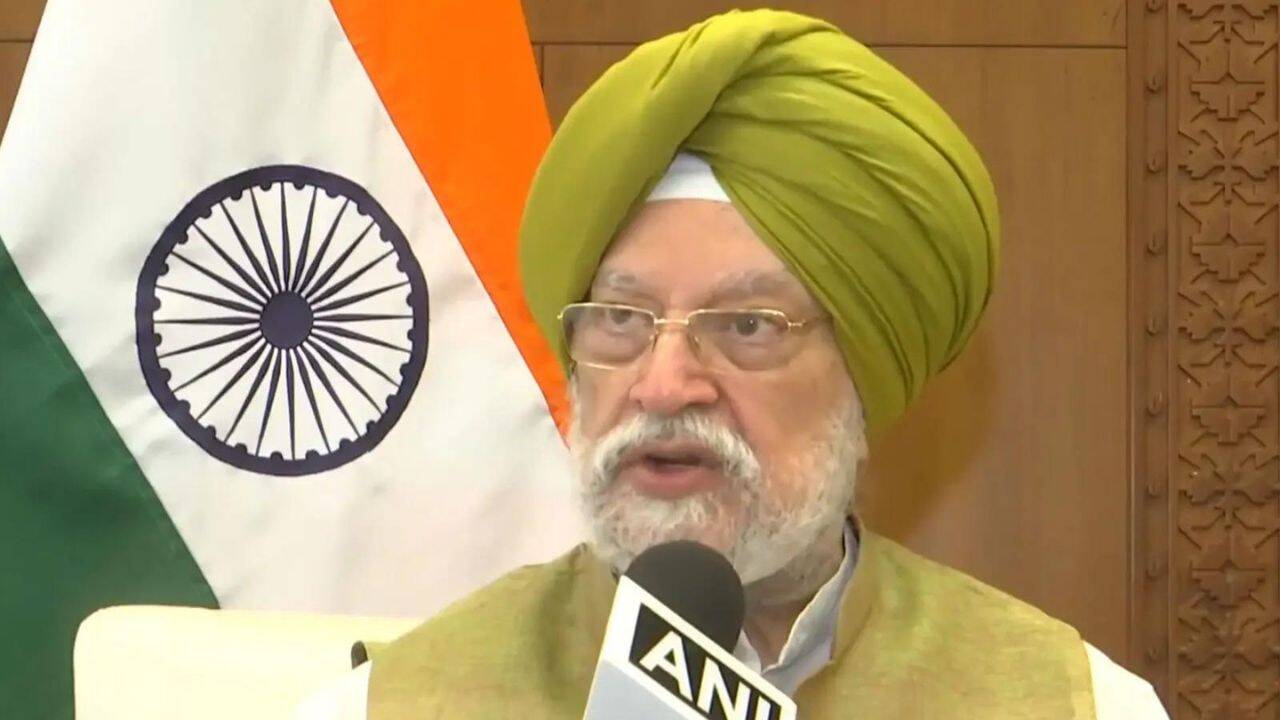
Union Minister Hardeep Puri has pushed back against viral claims of engine damage linked to E20 fuel, citing data from vehicle manufacturers and widespread adoption.
The swirl of WhatsApp forwards and social media videos claiming that E20 ethanol-blended petrol is destroying vehicle engines has reached the top echelons of the Ministry of Petroleum. Speaking to reporters this week, Hardeep Puri was firm: the narrative of systemic mechanical failure is a "misinterpretation" unsupported by facts. For a government pushing a green energy agenda to reduce the oil import bill, the backlash from car owners—centered on mileage drops and alleged engine corrosion—has become a persistent public relations hurdle.
The Data vs. The Doubt
Puri’s defense rests on the sheer scale of adoption. With approximately 20 crore two-wheelers and 20 lakh four-wheelers now running on this blend, the Ministry maintains that if the fuel were truly catastrophic, the evidence would be visible in service centers nationwide. According to Puri, automobile manufacturers and service providers have reported no unusual patterns of damage. The government points to the timeline of the rollout to bolster its stance, noting that India has been using E15 for over three years, with a nationwide transition to E20 beginning in April last year.
Yet, for the average commuter, the "real-world" experience remains distinct from official data. The buzz on social media persists, fueled by concerns that ethanol’s chemical properties might degrade older fuel systems or impact long-term maintenance costs. Even as manufacturers like Toyota have moved to clarify that their vehicles are designed for the blend, the unease has spilled over into insurance circles, with industry observers questioning how fuel-quality issues might impact future claims.
Why it Matters: The Bigger Picture
The friction around E20 is more than just a technical debate; it is a test of public trust in India’s energy transition. The government views ethanol blending as a pillar of its decarbonization strategy and a way to support the sugar and agricultural sectors. However, the disconnect between government reassurances and consumer skepticism highlights a communication gap. As the ministry eyes future blends like E25, the challenge will be to translate laboratory-grade testing into consumer confidence. For now, the official line is clear: tests for higher blends are ongoing, and no policy shift will happen without stakeholder consensus.
Looking Ahead
The government's insistence that "criticism is welcome, but rumours are not" suggests that officials are preparing for a long haul of public education. While the minister has rejected the current engine damage claims as groundless, the mounting pressure from users suggests that transparency regarding performance data and maintenance advisories will be crucial. Until a clear, industry-wide consensus emerges that bridges the gap between the fuel pump and the workshop, the debate over ethanol blending is unlikely to run out of steam.
Priya Nair covers parties, elections and the business of power for PoliticalPedia.