Beyond Borders: How PM Modi’s Indonesia Visit Reshapes India’s Indo-Pacific Strategy
PM Modi's Indonesia Visit: EVM Partnership, Defence Deals & Strategic Alliance | Diplomacy | News18
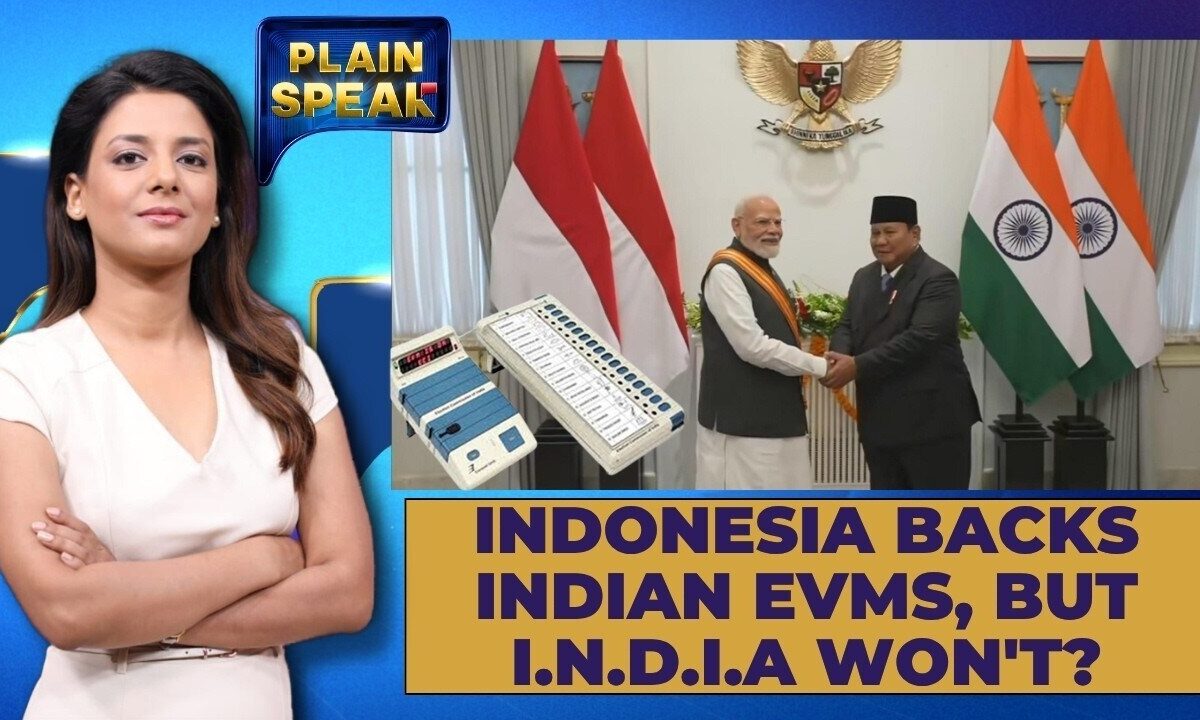
From high-tech defence exports to electoral cooperation, the latest bilateral summit in Jakarta signals a definitive shift in New Delhi’s strategic outreach.
The scene in Jakarta this week is one of high-stakes alignment. As PM Modi’s Indonesia visit unfolds, it is clear that the partnership between New Delhi and Jakarta has moved well beyond symbolic diplomacy. With the signing of a landmark BrahMos missile deal and substantive agreements on critical minerals, the trip underscores a calculated effort to fortify the Indo-Pacific corridor. The visit—which also saw the Prime Minister receive the prestigious 'Bintang Adipurna' honour—is being viewed by market observers as the most significant upgrade to bilateral ties in recent years.
Defence, Technology, and the 'EVM' Bridge
The defence component of the visit is particularly robust. Beyond the BrahMos expansion, reports confirm that Astra missile imports and collaborative infrastructure projects at the Sabang Port are central to the new arrangement. These moves are not merely transactional; they represent a long-term commitment to maritime security in the Malacca Strait, a vital artery for global trade.
Simultaneously, the digital and governance footprint of this strategic alliance is expanding. In a move that has sparked widespread interest, India and Indonesia have inked a pact for EVM partnership and electoral cooperation. This collaboration aims to leverage India’s expertise in large-scale democratic processes, providing a template for technological support in election management. Coupled with the integration of QR code-based UPI payment linkages, the economic roadmap between the two nations is becoming increasingly sophisticated.
Why It Matters: A New Economic Geometry
The bigger picture here is India’s attempt to de-risk its supply chains while asserting its role as a regional security provider. By securing access to critical minerals and syncing digital payment infrastructures, New Delhi is essentially creating an "economic buffer" in Southeast Asia. This diplomacy is less about grand speeches and more about tangible, tech-driven integration.
For the markets, these defence deals serve as a signal that India’s defence manufacturing sector is finding its footing in the export arena. While the news cycle might be dominated by the buzz around the PM Modi visit, the long-term implication is a more resilient, multi-vector foreign policy that treats trade, technology, and security as a single, cohesive unit. As the Prime Minister continues his three-nation tour, the Jakarta leg stands out as a template for how India intends to engage with the Global South: by offering tools, technology, and mutual security.
Rohan Gupta covers the economy, markets and companies for PoliticalPedia.