Beyond the Archive: Jairam Ramesh’s Blunt Assessment of Nehru, Patel, and the Modi Era
Jairam Ramesh says Nehru India's 'best PM', Patel 'best PM India could not have'
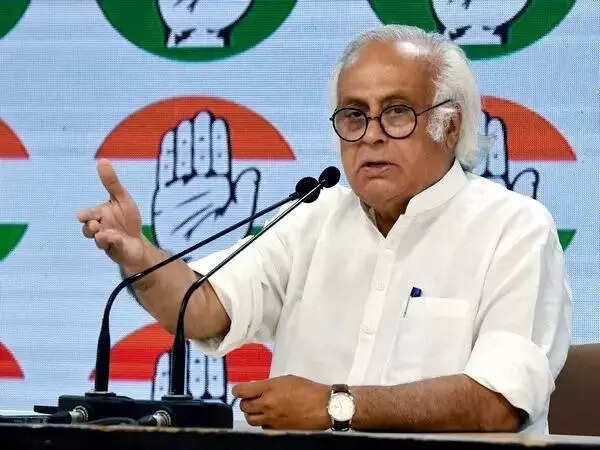
In a candid exchange, the veteran Congress leader weighs in on India’s prime ministerial legacy while intensifying the party’s ideological offensive against the current government.
The Congress party’s war of narratives is showing no signs of cooling down. In a recent, wide-ranging interview, Jairam Ramesh, the party’s communications strategist, offered a blunt assessment of India’s political history, firmly cementing his stance on the pantheon of leaders who shaped the nation. When prompted to pick the best prime minister India has ever seen, Ramesh didn't hesitate: "undoubtedly Jawaharlal Nehru."
The Rajya Sabha MP, however, added a layer of nuance to this historical ranking. When asked to identify the best prime minister India could have had but never did, he pointed directly to Sardar Vallabhbhai Patel. This distinction—separating the man who defined the office from the man who might have occupied it—serves as a recurring theme in the Congress party’s ongoing efforts to reclaim the legacies of stalwarts like Patel, often in response to the BJP’s attempts to align them with their own ideological framework.
The Strategy of the Narrative
Ramesh’s rapid-fire responses were not limited to history. He turned his focus sharply toward the present, labeling Prime Minister Narendra Modi the "master of falsehoods." This rhetoric is part of a larger, coordinated push by the Congress to challenge the current administration's claims, particularly regarding milestones and tenure duration. The party has consistently labeled the government’s recent assertions about long-term leadership records as "dubiously invented," arguing that the BJP suffers from an "obsessive-compulsive disorder" when it comes to the first prime minister.
Beyond the headlines, Ramesh offered a glimpse into his own three-decade-plus journey in the corridors of power. He credited the late Rajiv Gandhi with bringing him into the party fold in 1990, after a stint in the Ministry of Industry and the Planning Commission. For a leader who manages the communication strategy for the grand old party, the synthesis of his roles as a writer, a researcher, and a parliamentarian is central to how he engages with the public today.
Why it matters
This positioning is strategic. By invoking Nehru’s writings as a record of India’s "evolving conscience" and pairing it with a critique of the RSS as "fraudulent nationalists," Ramesh is betting that the battle for India’s future will be won in its archives. The Congress is clearly aiming to frame the current political climate as a departure from democratic norms, using historical figures as anchors. As the party continues to spar with the BJP over everything from Kashmir to historical records, Ramesh’s remarks signal that the Congress will continue to pivot toward ideological history as a primary weapon in its electoral arsenal.
Whether this focus on the past resonates with a younger, aspirational electorate remains the central question. For now, the Congress is doubling down: it isn't just about winning the next election; it is about who owns the interpretation of the last seventy-five years.
Priya Nair covers parties, elections and the business of power for PoliticalPedia.