A Commuter’s Worst Nightmare: The Fatal Cost of a Mumbai Local Train Argument
Man Stabbed To Death In Moving Mumbai Local Train After Row Over Closing Door
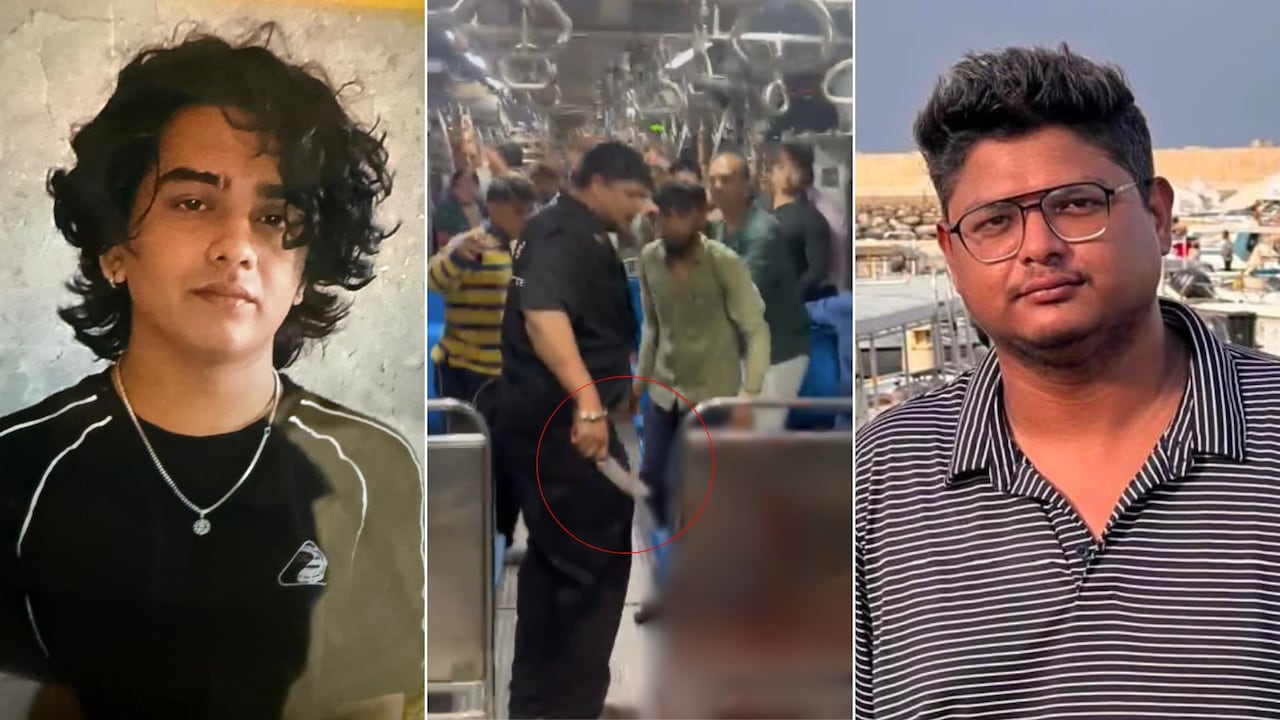
A 22-year-old passenger was killed in a shocking incident after a dispute over closing a coach door during heavy rainfall.
The Mumbai local train is often called the city’s lifeline, but for one 22-year-old passenger, it became the site of a brutal, senseless death. In a chilling incident that has left the city’s vast commuter base shaken, a man was stabbed to death in a moving Mumbai local train after a row over closing the door. As torrential rains lashed the city, the simple act of trying to shut a coach door—a common point of contention in the city’s overcrowded transit system—escalated into a fatal confrontation.
Reports across various outlets, including NDTV, confirm that the argument broke out inside a coach, turning violent when one passenger pulled out a weapon and fatally attacked the victim. The accused has since been arrested, but the brevity of the violence has raised harrowing questions about safety within the city’s packed carriages. Witnesses described the scene as one of sudden, sharp panic, shattering the routine of the daily commute.
The Fragility of Public Spaces
This tragedy isn't an isolated anomaly; it highlights a mounting tension within Mumbai’s transit network. For years, debates have swirled around the safety of the local rail system. While the authorities have previously discussed the introduction of non-AC closed-door local trains—with pilot projects proposed for the Kalyan-CSMT route following previous tragedies—the pace of change has often struggled to keep up with the sheer volume of daily commuters.
The incident underscores the psychological toll of commuting in a city where personal space is a luxury and patience is often worn thin by delays, overcrowding, and the unpredictable nature of the monsoon. When the basic infrastructure fails to provide a sense of security, the environment inside the carriage becomes volatile. A minor disagreement over a door, exacerbated by the stress of a rainy commute, can spiral into a life-ending event in seconds.
Why it matters
The broader context here is the recurring vulnerability of commuters in moving Mumbai local trains. While incidents of violent crime are statistically rare compared to the millions who travel daily, they expose the thin veneer of order in a system pushed to its capacity. The shift toward modernizing the fleet with closed-door coaches is a technological necessity, but it also reflects a social shift: the need for passive safety measures in an increasingly high-strung urban environment. Until systemic upgrades are fully implemented, passengers remain at the mercy of both the elements and, occasionally, the volatility of their fellow travelers.
Kabir Sharma writes on culture, technology and everyday life for PoliticalPedia.