Beyond Geopolitics: Nepal Signals New Era of Diplomacy to Resolve India Border Issues
Nepal wants to resolve boundary row with India through diplomacy, open heart: Shishir Khanal
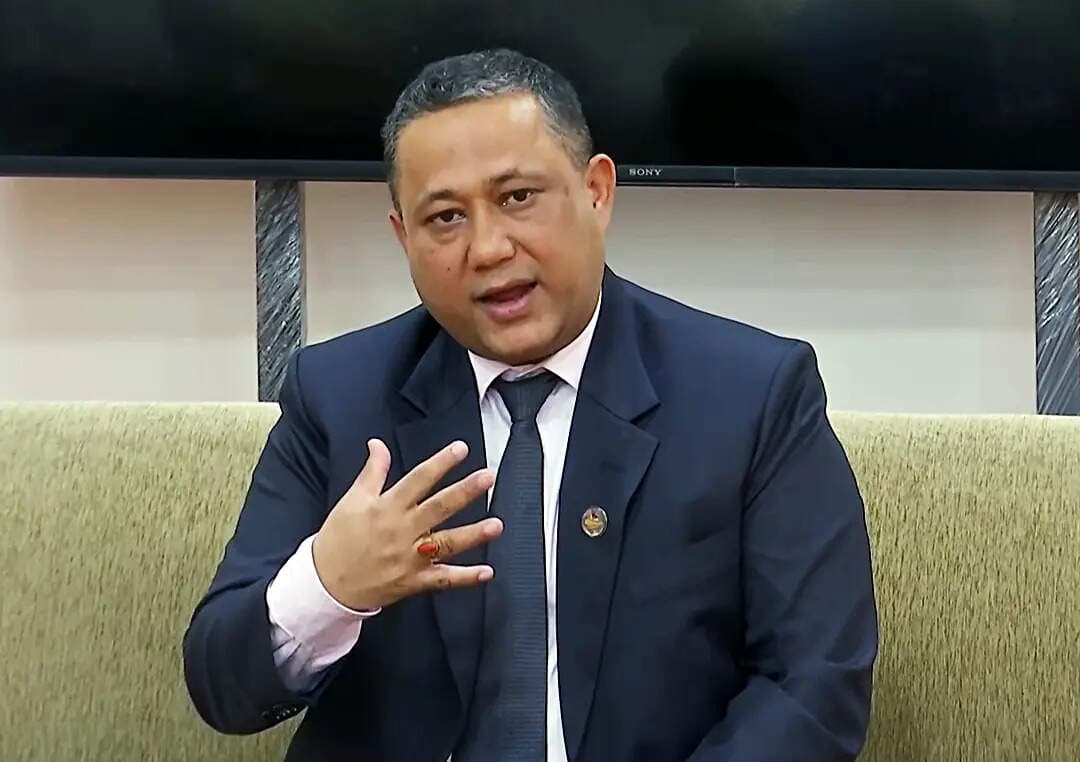
Foreign Minister Shishir Khanal emphasizes a data-driven approach to bilateral relations, shifting focus toward economic partnership and away from hyper-nationalism.
The long-standing boundary dispute between New Delhi and Kathmandu may be entering a period of renewed pragmatism. During a high-stakes three-day visit to the Indian capital, Nepalese Foreign Minister Shishir Khanal has signaled a significant departure from the rhetoric of the past, advocating for a diplomatic resolution grounded in transparency and mutual trust. Following extensive discussions with External Affairs Minister S. Jaishankar, Khanal underscored that no geographical complexity is insurmountable when approached with an “open heart.”
This diplomatic outreach comes at a critical juncture, as the bilateral relationship has recently faced strain following provocative remarks regarding the border row by political figures in Nepal. By explicitly rejecting what he termed a “distorted, hyper-sensitive lens of 21st-century geopolitics,” Khanal is attempting to recalibrate the narrative. His message is clear: the current government in Kathmandu is looking to prioritize economic transformation over the performative, hyper-nationalistic grandstanding that has historically hindered productive dialogue between the two nations.
A Data-Driven Path Forward
The core of Khanal’s strategy involves moving away from emotive political posturing toward a more clinical, data-driven methodology. By characterizing the border issue as a solvable problem rather than a permanent wedge, the Foreign Minister is inviting India to engage with a vision of an “Aspiring Nepal.” He suggested that the focus should shift from historical grievances to the tangible benefits of regional connectivity and shared economic growth.
The minister spoke warmly of India’s trajectory, describing it as a “rising India” that has fundamentally redefined itself as a global powerhouse in technology and economy. For Nepal, this presents a unique opportunity to shed outdated diplomatic habits and integrate its own development goals with the technological advancements occurring just across the border.
Strengthening Bilateral Ties
The visit, which began on Friday, serves as a litmus test for the stability of India-Nepal relations. While the boundary issue remains a sensitive topic, the framing of this visit suggests that both sides are keen to prevent specific territorial disagreements from paralyzing the broader agenda. Khanal’s emphasis on a “single, transparent agenda” for economic prosperity reflects a desire to move beyond the complexities that have traditionally defined the relationship.
By engaging with the “India of intense aspiration,” Kathmandu hopes to unlock new avenues for cooperation that transcend the traditional security-focused approach. Whether this shift in tone leads to a formal breakthrough on the boundary dispute remains to be seen, but the current diplomatic signals suggest a deliberate effort to clear the air. The success of this initiative will likely depend on whether both nations can maintain this momentum when the domestic political pressures of hyper-nationalism inevitably return to the surface.
The PoliticalPedia Editorial Desk brings verified, sourced political news and analysis from across India.