Beyond Borders: Why Anand Ranganathan Says Grooming Gangs Are Not Just A British Problem
Not Just A British Problem, It's An India Problem Too, Anand Ranganathan On UK Grooming Gangs
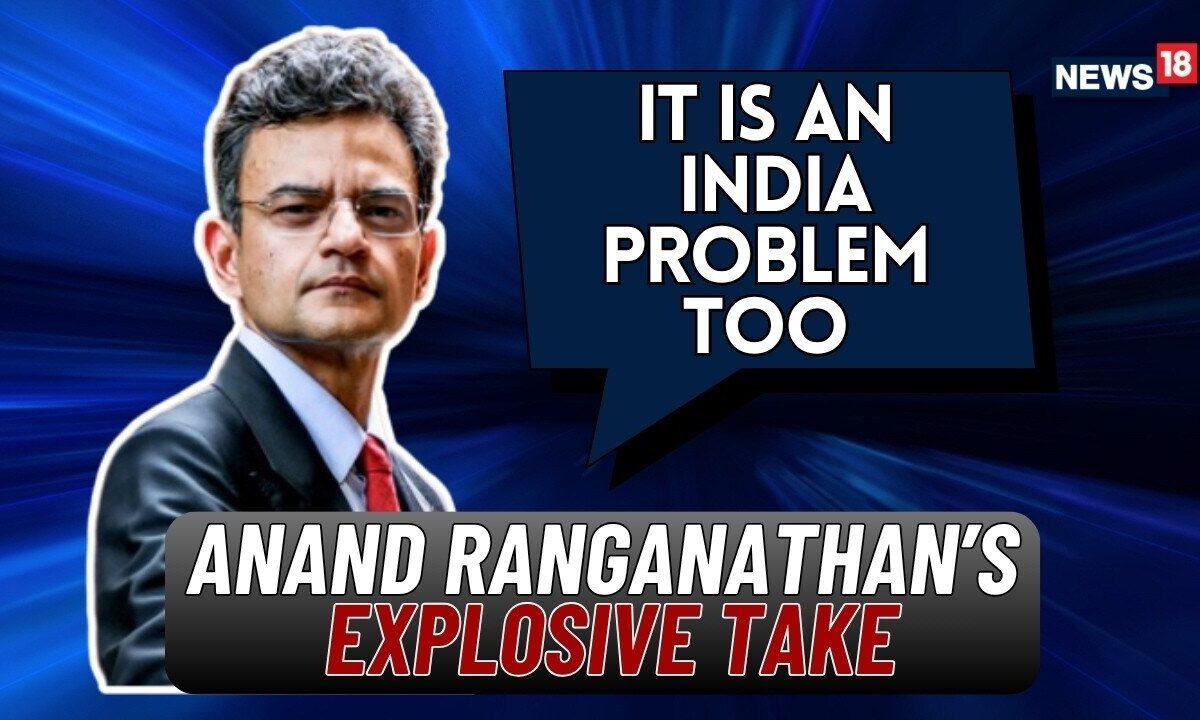
From systemic failures in the UK to emerging concerns on home soil, the discourse around grooming gangs has shifted from a local crisis to a broader, uncomfortable reality.
The headlines from the UK regarding grooming gangs have long been treated as a distant, foreign tragedy. Yet, when author and commentator Anand Ranganathan recently pointed out that this is not just a British problem, he was pulling at a thread that connects systemic governance failures to the safety of vulnerable populations far beyond Europe. For many observers, the conversation has moved past viewing this as an isolated case study, framing it instead as an India problem too that demands urgent attention.
A Pattern of Silence
The core of the argument revolves around the institutional hesitation to confront uncomfortable demographics. When Anand Ranganathan on UK grooming gangs spoke out, his focus was not merely on the criminal acts themselves, but on the perceived "political correctness" that allowed such exploitation to fester for years. The patterns seen in overseas jurisdictions—where law enforcement and social services were allegedly paralyzed by a fear of being branded biased—are being scrutinized under the lens of our own social fabric.
The Bigger Picture: Why It Matters
This is not merely an exercise in international commentary. The reason this resonates in India is the fear that similar administrative blind spots could exist within our own borders. When authorities prioritize social harmony or political optics over the protection of minors, the result is almost always the same: a systemic failure that leaves the most vulnerable exposed. The analytical takeaway here is clear: the moment we stop holding institutions accountable because of fear of social friction, we embolden the very criminal networks that thrive in the shadows.
Connecting the Dots
Whether one is checking the latest cricket scores or browsing movies and lifestyle updates on News18, the digital noise often masks these deeper societal fissures. However, when we strip away the distraction of daily digital results, the underlying problem remains. If the UK’s experience serves as a cautionary tale, it is that silence is the biggest enabler of organized exploitation.
Moving Forward
The discourse is shifting toward a demand for transparency, regardless of the political fallout. As citizens, the expectation is that the state—whether in London or New Delhi—must prioritize the safety of the individual over the convenience of a narrative. Identifying these grooming rings as a transnational challenge is the first step toward dismantling the infrastructure that supports them. The focus must now remain on robust policy, proactive policing, and a refusal to look away when the uncomfortable truths emerge.
Priya Nair covers parties, elections and the business of power for PoliticalPedia.