From the Funeral Podium to the Chargesheet: NIA Targets Naxal ‘Revolution’ Rhetoric
'Keep the revolution alive': NIA chargesheets Naxal operative over funeral speech
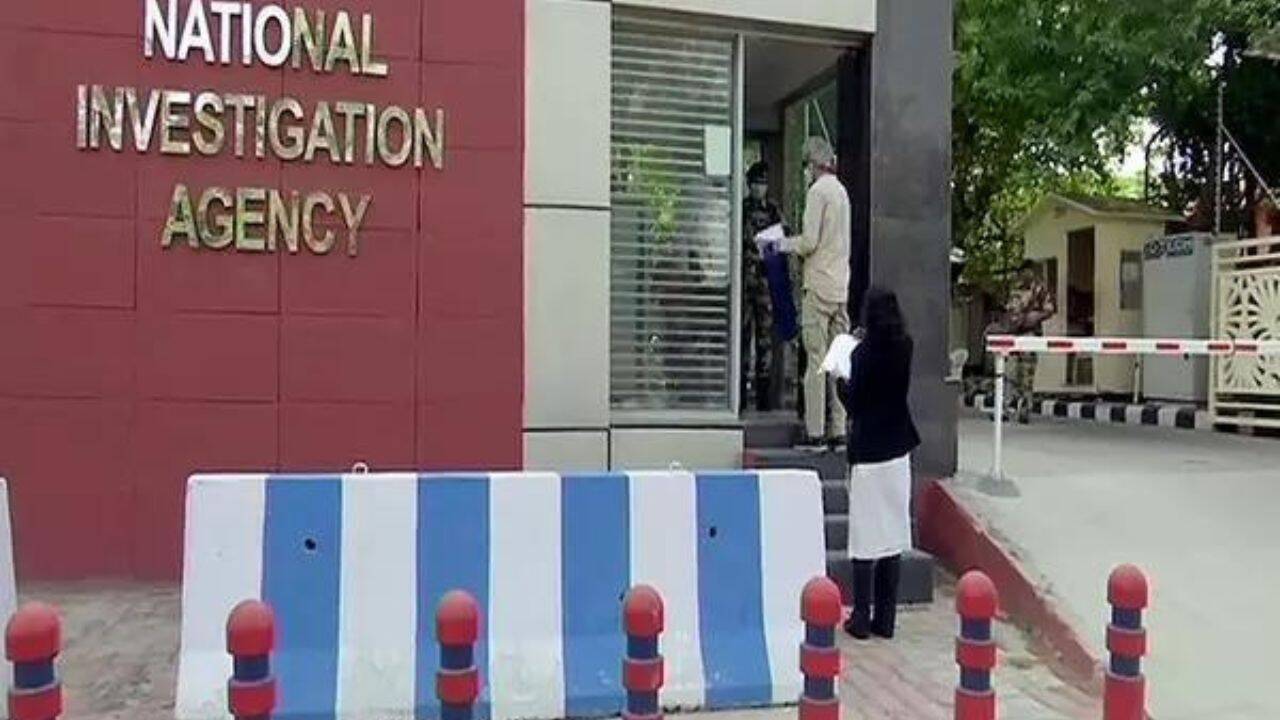
The agency has moved against Gade Innaiah for allegedly inciting a crowd to sustain violent Maoist ideology at a high-profile memorial.
The funeral of a top Maoist leader is rarely just a mourning ritual; in the dense forests and remote districts of central India, it often serves as a volatile theater for ideological recruitment. Last October, when the body of CPI (Maoist) central committee member Katta Ramachandra Reddy—known in cadre circles as 'Vikalp'—was laid to rest, the gathering of 200 mourners became the site of a pointed address. The National Investigation Agency (NIA) now alleges that Gade Innaiah, a key operative, used that podium to incite the crowd to "keep the revolution alive," marking a significant escalation in the state’s crackdown on frontal organizations.
The Charges Against Gade Innaiah
Following an investigation into case RC 04/2025/NIA/HYD, the federal agency filed a chargesheet before the special court in Nampally, Hyderabad. Gade, who was arrested in December 2025, faces serious charges under the Bharatiya Nyaya Sanhita (BNS) and the Unlawful Activities (Prevention) Act (UAPA). According to investigators, Gade was not merely a sympathizer but a strategist who co-founded 'Bharat Bachao', a frontal organization designed to propagate Naxal ideology under a civilian veneer.
The NIA investigation suggests that Gade served as a vital link between the urban support network and the armed jungle cadres. Evidence collected—ranging from technical logs to intercepted communications—positions him as a frequent visitor to the Abujhmad region in Chhattisgarh, where he coordinated with senior Maoist leadership. At the funeral, he reportedly went further than mere eulogy, publicly lambasting former cadres who had surrendered to government agencies, urging the assembly to reject the path of peace and continue the armed struggle.
A Targeted Pattern of Insurgency
The death of Katta Ramachandra Reddy, alongside fellow central committee member Kadari Satyanarayana Reddy (alias Kosa), in a late September 2025 operation in the Abujhmad region, represented a major blow to the CPI (Maoist) hierarchy. By charging Gade, the NIA is signaling that it is looking beyond the active combatants in the forest. The focus has sharpened on the "ideological supply chain"—the individuals who interpret the deaths of senior commanders as rallying cries for fresh recruits.
Why it matters
This case highlights a broader, ongoing shift in India’s internal security strategy. Law enforcement agencies are increasingly moving to dismantle the "overground" networks that sustain the LWE movement long after the physical threat of armed cadres is neutralized in the field. By treating a funeral speech as a criminal act of incitement, the NIA is drawing a clear, albeit controversial, line: the state views the propagation of Maoist ideology—even in the guise of mourning—as an active effort to keep the fire of insurgency alive. As the government continues its drive to clear the Abujhmad stronghold, the battle has clearly moved into the courtroom, where the rhetoric of the movement is now being treated with the same severity as the barrel of a gun.
Ananya Iyer covers global affairs with an Indian lens for PoliticalPedia.