Beyond the Headlines: Decoding the Timothy Initiative Controversy
Unveiling the Timothy Initiative: A Deep Dive into Allegations of Religious Expansion|#therightstand
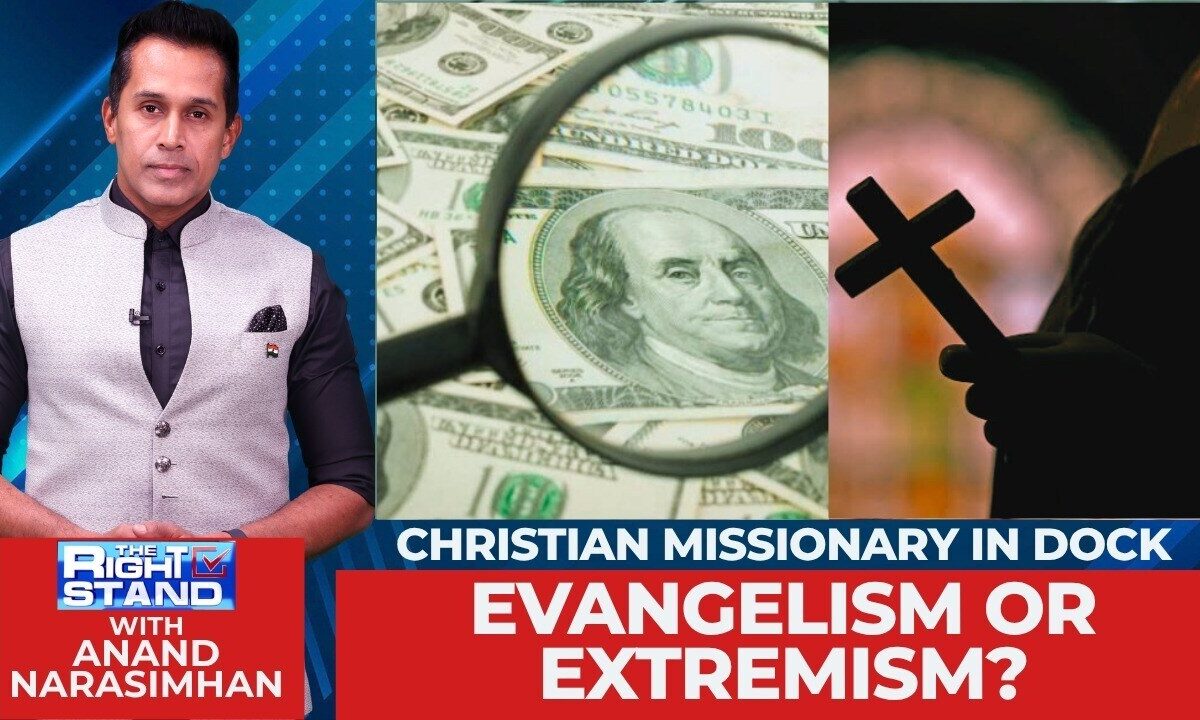
A look at the growing debate surrounding the Timothy Initiative and the broader questions of religious expansion in India.
The airwaves and digital news cycles have been crowded lately. From the high-stakes drama of the T20 World Cup to the unfolding results in our state legislatures, the noise is constant. Yet, amidst the sports scores and the shifting political sands, a specific conversation has begun to gain traction: the #TheRightStand investigation into the "Timothy Initiative." As reports surface, observers are trying to separate the noise from the substance regarding allegations of systematic religious expansion.
Unpacking the Allegations
At its core, the conversation around the Timothy Initiative centers on claims that the group is operating as a vehicle for large-scale conversion efforts. Critics and investigative segments have raised red flags, suggesting that the organization’s footprint—often hidden behind community-building or welfare work—is part of a more deliberate, targeted expansion strategy. For those following the story, the "deep dive" provided by outlets like News18 aims to trace the funding, the reach, and the methodology of these groups.
However, accusations of this nature are rarely black and white. While some view these activities as a benign expression of faith or charity, others see them as an aggressive encroachment on local cultural demographics. The challenge for researchers and the public alike is to distinguish between legitimate social outreach and what is being termed as "expansionism."
The Bigger Picture: Why It Matters
This is not just about one organization; it is a symptom of a larger, recurring tension in the Indian social fabric. We are living in a time where questions of national identity and the integrity of local community structures are being put to the test. When groups operate under the radar, they inevitably invite scrutiny, especially in a country as sensitive to shifts in religious composition as ours.
The pattern here is familiar: a lack of transparency often breeds suspicion. Whether the allegations against the Timothy Initiative hold up to legal scrutiny remains to be seen, but the debate itself highlights the deep-seated anxiety regarding how religious narratives are disseminated across the country. It serves as a reminder that in the digital age, institutional influence is as much about perception as it is about on-ground reality.
Navigating the Noise
While the media landscape is busy—moving from the latest cricket results to intense political rows involving figures like Punjab CM Bhagwant Mann—the Timothy Initiative story requires a more measured approach. It is easy to get caught up in the sensationalism of the "unveiling" of such groups. Yet, for the reader, the focus should remain on the evidence: what are the specific links between these initiatives and the alleged expansionist goals?
As this story evolves, we’ll likely see more scrutiny directed at how NGOs and faith-based groups operate within our borders. For now, the narrative remains in flux, balancing between claims of humanitarian intent and counter-claims of orchestrated religious shifts. Keeping a cool head in the face of these heated allegations is the only way to grasp the reality of what is happening on the ground.
Kabir Sharma writes on culture, technology and everyday life for PoliticalPedia.