Between Restraint and Ruin: Is the Iran-Israel War Truly Over?
US-Israel-Iran War News Live Updates: Iran, Israel Pause Strikes, But Is The War Really Over? Vance Says US Won't Be Drawn Into Endless War
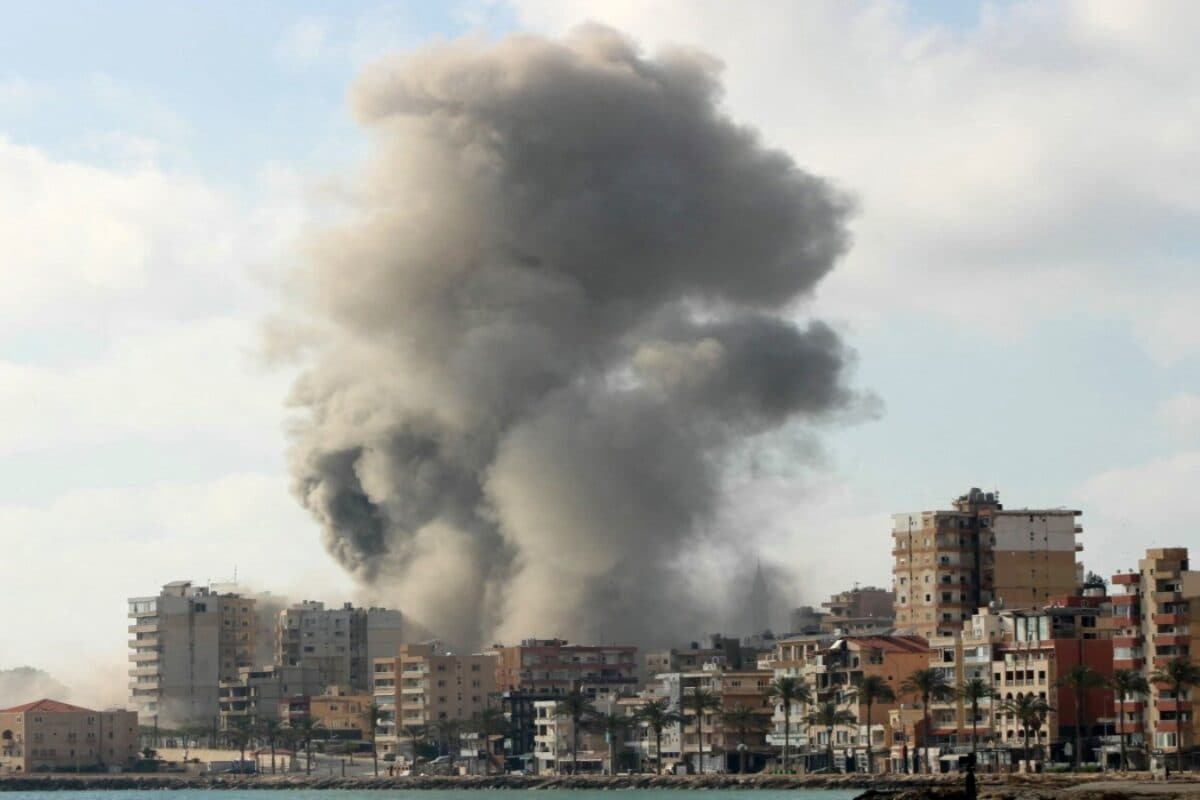
As Tehran and Tel Aviv hit a fragile pause in hostilities, the shadow of a wider regional conflict looms large over global energy markets and diplomatic stability.
The sound of silence over Tehran and Tel Aviv this Tuesday is deceptive. After a chaotic 48 hours that saw a sharp escalation of strikes between Iran and Israel, both nations have temporarily stepped back from the brink. However, this pause is far from a resolution. Iran’s parliamentary speaker, Mohammad Bagher Ghalibaf, has made it clear that Tehran views the previous ceasefire as a "paper agreement" riddled with violations, warning that military action could reignite the moment Israel pursues further operations in Lebanon or elsewhere.
The Trump-Vance Doctrine Under Pressure
The escalation has forced the White House into a delicate balancing act. President Donald Trump has reportedly urged Prime Minister Benjamin Netanyahu to exercise extreme restraint, cautioning that Israel risks total isolation if the conflict spirals into a regional war. Meanwhile, Vice President JD Vance has moved to calm domestic anxieties, asserting that the United States will not be drawn into an endless war or a long-term military entanglement in West Asia. Despite this, the administration remains under immense pressure; while some U.S. lawmakers are moving to limit the President’s war powers, Senate Republicans have so far blocked such efforts, signalling an alignment with the White House’s current approach.
Diplomatic Hurdles and High-Stakes Gambit
The diplomatic landscape remains a minefield. While Washington claims it is inching toward renewing negotiations over Iran’s nuclear program, the optics on the ground suggest otherwise. Reports from the ground indicate that peace talks have struggled to find momentum, with failures reported after 21 hours of grueling discussions. Even as envoys like Steve Witkoff and Jared Kushner are reportedly being lined up for potential talks in Pakistan, the trust deficit between the regional powers is at an all-time high. Iran, for its part, has signaled a preference for negotiating directly with the Vice President’s office, pointedly rejecting some of the other high-profile figures within the U.S. diplomatic orbit.
Why It Matters: The Bigger Picture
This volatility is no longer just about two nations trading fire; it is a stress test for the global order. The brief gridlock at the Strait of Hormuz—the world’s most critical energy chokepoint—serves as a reminder that any sustained hostility here carries an immediate, painful price tag for global oil supplies. For India, the stakes are existential. As a major importer of energy, an unstable West Asia threatens to derail domestic economic recovery and spike inflation. The pattern emerging is clear: the era of "contained" regional proxy conflicts is fracturing, and the U.S. is finding that even with a policy of restraint, the gears of war are often moved by local actors who operate outside the influence of the White House.
The coming days will be defined by whether this latest pause hardens into a durable ceasefire or serves merely as a tactical breather. With Israel’s security concerns regarding Iran’s nuclear enrichment program—which officials claim was nearing immunity from disruption—and Iran’s insistence on ending perceived Israeli aggression, the volatility is far from extinguished. We are watching a high-stakes standoff where the margin for error has effectively vanished.
Priya Nair covers parties, elections and the business of power for PoliticalPedia.