Beijing’s New Economic Wall: China Targets Japanese and US Firms in Tech Trade War
China blacklists 20 Japanese entities after imposing export curbs on 10 US firms
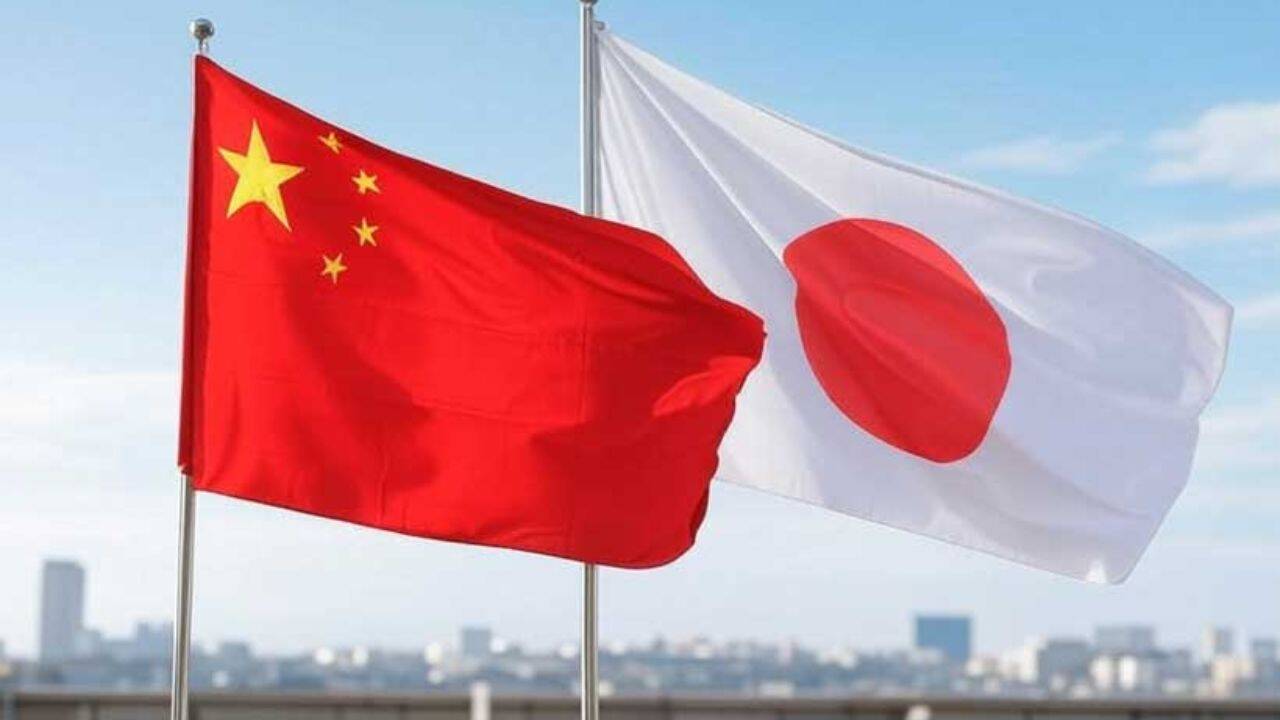
In a rapid escalation of geopolitical friction, China has widened its export control dragnet, imposing fresh restrictions on two dozen foreign entities citing national security concerns.
Beijing’s latest move to blacklist 20 Japanese entities signals a hardening of its stance against Tokyo, bringing defense institutes and drone manufacturers under the shadow of its export control list. This decision, announced by China’s ministry of commerce, strictly prohibits the transfer or supply of Chinese dual-use items—technologies with both civilian and military applications—to these Japanese organizations. Among those targeted is the National Institute for Defence Studies, a move Beijing justifies as a necessary step to curb what it perceives as Japan’s growing military capabilities.
The timing of this announcement is far from coincidental. It arrives just one week after Beijing slapped similar restrictions on 10 US companies, including rare earth producers MP Materials and USA Rare Earth, alongside motor manufacturer Aveox. By blocking access to Chinese supply chains, the ministry is framing these actions as a direct, retaliatory response to Washington’s own efforts to place various Chinese firms under trade blacklists earlier this month.
The Strategy of Dual-Use Controls
At the heart of this conflict lies the strategic importance of dual-use goods. By tightening the flow of these critical items, Beijing is leveraging its dominance in the global supply chain to counter perceived threats to its national security. The commerce ministry has maintained that these measures are consistent with international non-proliferation commitments, even as they effectively halt trade with the affected foreign companies.
The expansion of these restrictions to include Japanese entities—ranging from nuclear firms to advanced research institutes—suggests that China is no longer just sparring with the US. Instead, it is systematically targeting the technological ecosystems of major geopolitical rivals. As these entities are now barred from sourcing Chinese components, the move creates significant friction for international firms that have historically relied on Chinese manufacturing for mission-critical hardware.
Why it matters: The Bigger Picture
This tit-for-tat trade warfare reflects a broader trend of "securitizing" global commerce. For India and other emerging economies, this escalating standoff highlights the fragility of global supply chains that have long taken seamless access to raw materials and tech components for granted. We are witnessing the end of an era where trade was largely insulated from national security posturing.
As Beijing continues to use its export control list as a blunt instrument of foreign policy, the cost of doing business is rising. When major powers treat high-tech components as leverage, the ripple effects are felt across global markets. For Tokyo and Washington, the challenge now lies in decoupling their sensitive research and defense sectors from Chinese-origin inputs. For Beijing, the gamble is whether these barriers will truly bolster its national security or merely hasten the global shift toward more fragmented, localized supply chains.
Ananya Iyer covers global affairs with an Indian lens for PoliticalPedia.