The Strait Stays Open: US and Iran Agree to Halt Strikes Ahead of Qatar Talks
Iran US War Live Updates: US, Iran Agree To Halt Strikes, Qatar Talks Scheduled On Tuesday
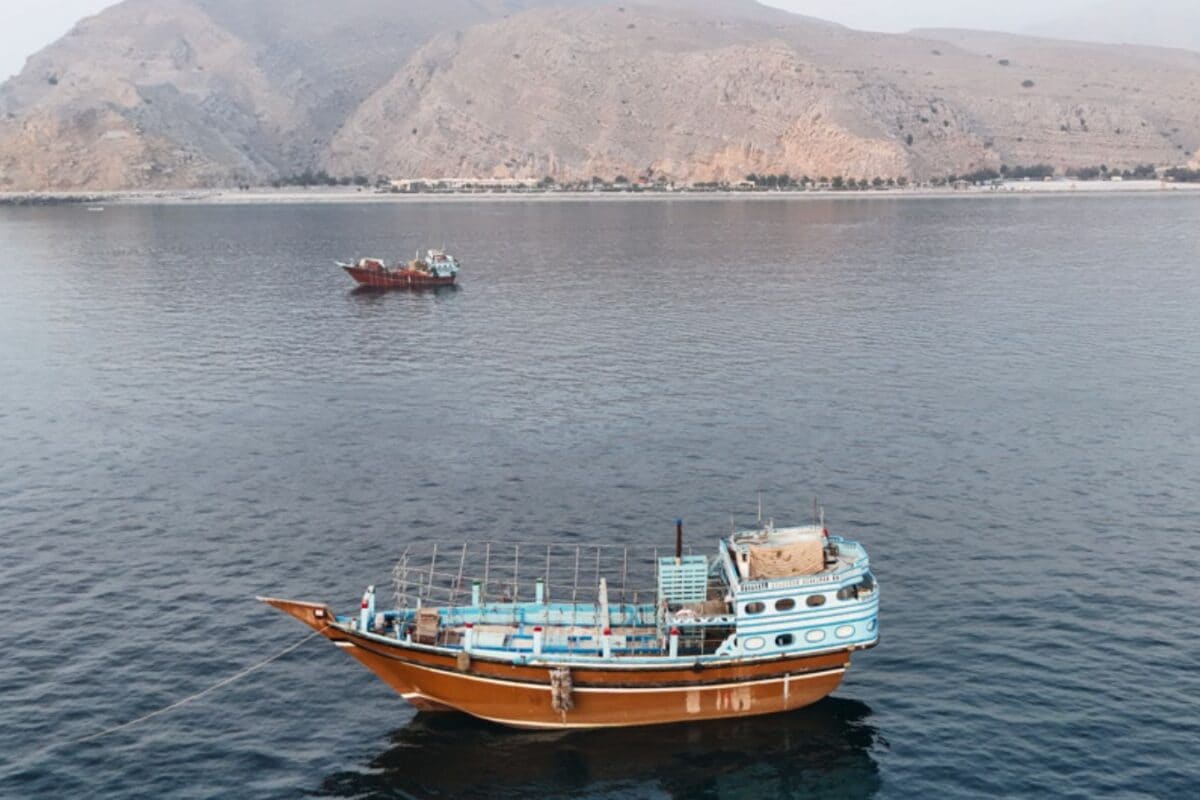
As military exchanges rattle global shipping routes, Washington and Tehran look to Doha to salvage a fragile peace and secure the lifeblood of the energy market.
The Strait of Hormuz, that narrow, high-stakes funnel through which a significant portion of the world's oil flows, has spent the last few days held in a breathless, violent limbo. After a series of tit-for-tat military exchanges that threatened to unravel the June 17 memorandum of understanding, the pulse of the region seems to have slowed—at least for now. Reports now confirm that both the US and Iran have agreed to a temporary suspension of hostilities, with high-level delegations expected to convene in Qatar this Tuesday to hammer out a more durable framework.
The urgency of this meeting cannot be overstated. While the June agreement was designed to ensure the safe passage of commercial vessels in exchange for the US ending its blockade of Iranian ports, the last few days saw that promise frayed by renewed strikes. Even as the diplomatic machinery kicks into gear, the rhetoric remains sharp. President Donald Trump has made his position clear, warning that a return to open conflict would leave Iran facing an existential threat, signaling that while the US is at the table, its military posture remains anything but passive.
The View from the Desk: Why It Matters
This latest oscillation between escalation and negotiation highlights a recurring pattern in the current Iran US war live scenario: a desperate dance to prevent a localized spark from igniting a regional conflagration. For the global economy, the stakes are not just political—they are existential. Any disruption in the Strait of Hormuz sends immediate shockwaves through oil prices, affecting everything from logistics to the cost of living in households from Mumbai to Manhattan.
The fact that these talks are scheduled for Tuesday shows that both sides are feeling the heat of an untenable status quo. However, the recurring nature of these "understandings" suggests a lack of deep-seated trust. As delegates gather in Doha, the challenge will be moving beyond temporary pauses to address the underlying blockade issues that keep the two nations on a knife-edge. The international community is watching closely, hoping that this latest round of updates signals a cooling-off period rather than just a tactical regrouping for further strikes.
The Road Ahead
For now, the silence on the front lines is the only metric of success. The upcoming Qatar talks are expected to focus heavily on the mechanics of maritime security and the enforcement of the previous memorandum. Whether this session produces a sustainable ceasefire or merely provides a brief interlude in an escalating conflict remains to be seen. With regional allies working behind the scenes to buy Tehran and Washington time, the focus remains firmly on whether diplomacy can override the momentum of ongoing military operations.
Kabir Sharma writes on culture, technology and everyday life for PoliticalPedia.