Behind the Scenes: Did Trump Send Envoys to Consult Nuclear Experts Amid Iran Talks?
Did Trump secretly send his envoys to meet nuclear experts amid Iran talks? What report says
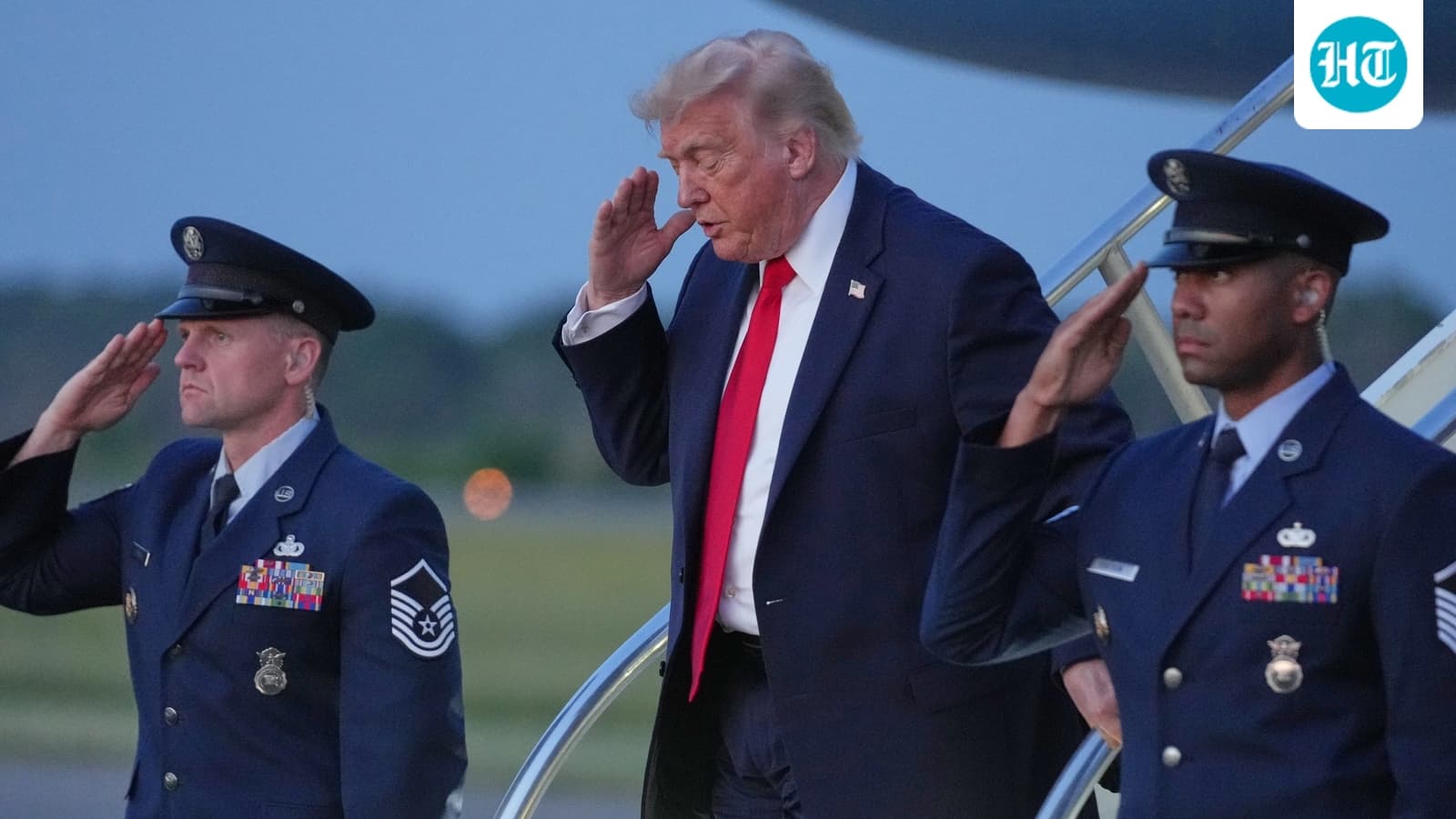
As the White House scrambles to secure a memorandum of understanding to halt regional conflict, recent visits to technical facilities signal a pivot toward specialized nuclear diplomacy.
Amidst mounting domestic pressure to de-escalate the volatile situation in West Asia, President Donald Trump has deployed his special envoys, Steve Witkoff and Jared Kushner, to consult with elite technical teams at the Oak Ridge National Laboratory in Tennessee. This unannounced visit, aimed at preparing for potential in-depth nuclear negotiations, marks a significant shift in how the administration is approaching the standoff with Tehran. While formal talks have repeatedly stalled, the mobilization of around 100 specialists at Oak Ridge suggests that the White House is keen to ensure technical readiness should a breakthrough in the current peace process occur.
The Push for a Fragile Deal
The administration is actively working toward a memorandum of understanding (MOU) that would effectively end active hostilities and pave the way for a more comprehensive nuclear agreement. Sources involved in the mediation process note that while negotiations are in their final stages, bridging the gaps between Washington and Tehran remains a difficult task. The goal, according to officials, is to be prepared to implement a deal quickly if the diplomatic temperature cools. However, the path to a sustainable agreement is fraught with uncertainty, as both sides remain at odds over critical details, including the scope of uranium enrichment.
A History of Unorthodox Diplomacy
The reliance on figures like Witkoff and Kushner has raised eyebrows among veteran diplomats. Critics point to a series of unconventional, and at times disjointed, diplomatic efforts that have previously hit walls. From Witkoff’s controversial public remarks—where he claimed Iran was a "week away" from industrial-grade bomb material—to his reported habit of bringing military commanders into sensitive civilian negotiation rooms, the diplomatic strategy has been described by some observers as lacking the depth and technical rigor seen in previous administrations. The contrast is sharp; where past negotiations relied on large teams of seasoned experts from multiple government departments, the current approach has often sidelined traditional bureaucratic channels in favor of a smaller, more centralized core.
The Technical Reality
The choice of Oak Ridge for these consultations is strategic. As the home to some of the world's foremost experts in centrifuge technology and uranium processing, the facility is uniquely equipped to handle the complexities of a nuclear rollback. The administration’s current proposals, which have been described as preliminary and evolving, include incentives such as potential sanctions relief and investments in civilian-energy nuclear programs. Yet, these proposals face a major hurdle: the White House remains firm on a "zero enrichment" policy, a demand that Tehran has consistently rejected as a non-starter.
The Road Ahead
Despite the back-channel efforts and the recent ceasefire, deep skepticism persists. The International Atomic Energy Agency continues to face challenges in verifying the status of Iran’s stockpile, and the history of recent military strikes on nuclear sites has only further complicated the trust deficit. While the visit to Tennessee does not guarantee an immediate agreement, it underscores the administration's desire to transition from military posturing to a structured, if high-stakes, negotiation. Whether this newfound focus on technical expertise will be enough to override the ongoing regional tensions remains the central question for observers in both Washington and Tehran.
The PoliticalPedia Editorial Desk brings verified, sourced political news and analysis from across India.