As Missiles Fly, Washington Struggles to Define the Limits of the Iran War
US-Israel-Iran War News Live Updates: Vance Says US Won't Be Drawn Into Endless War
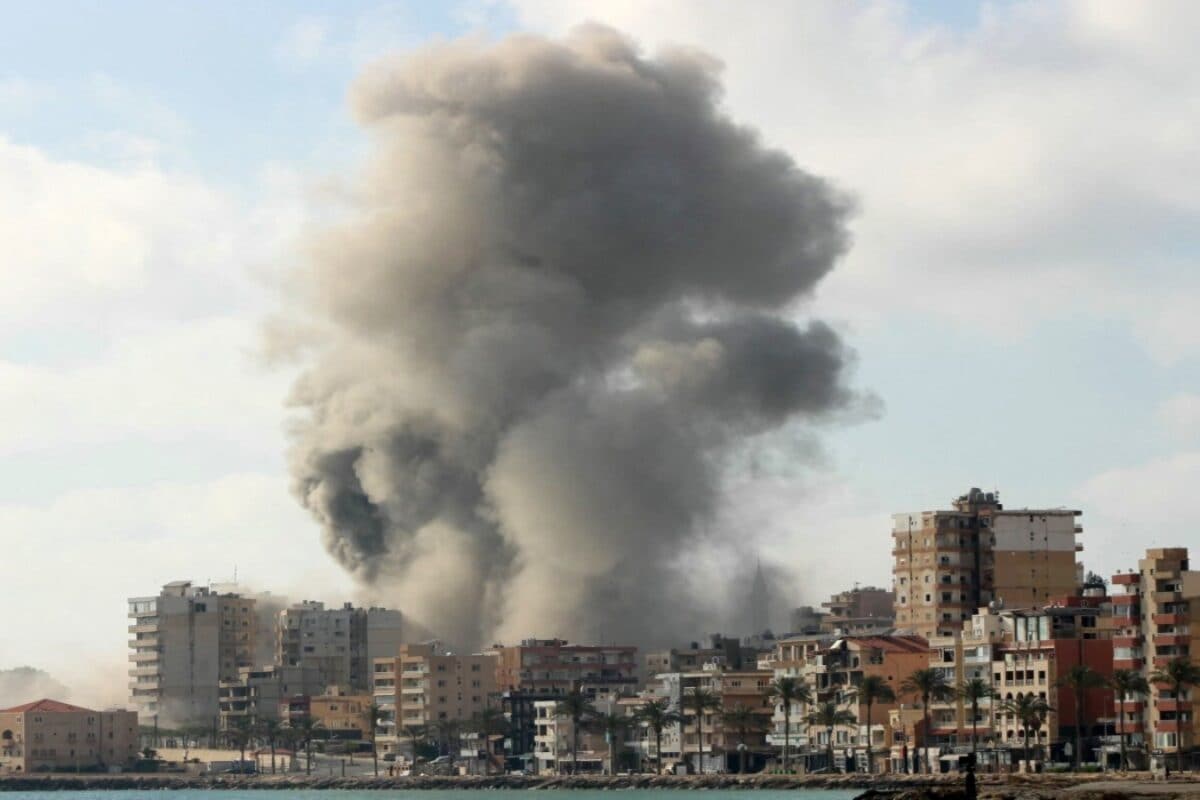
With the region teetering on the brink of a wider conflict, the White House is scrambling to balance aggressive posturing with promises that the US won't be drawn into endless war.
The fragile calm that defined West Asia for two months has shattered. Following a sharp escalation this Monday that saw Iran launch strikes against Israel, met swiftly by Israeli retaliation, the region is bracing for what comes next. While both sides paused their kinetic fire by Tuesday, the air remains thick with threats. Tehran has made it clear that any further Israeli operations—particularly those in Lebanon—will trigger a renewed and potentially more severe military response.
For the Trump administration, the timing could not be worse. The White House, which had been quietly pursuing a path toward renewed nuclear negotiations, now finds its diplomatic roadmap in tatters. Reports from the ground suggest that President Trump has personally intervened, urging Prime Minister Benjamin Netanyahu to exercise restraint. The message from Washington is blunt: Israel risks isolation if this expansion continues. Yet, the reality on the ground feels far removed from such counsel. Iranian parliamentary speaker Mohammad Bagher Ghalibaf has effectively declared the existing ceasefire a dead letter, dismissing it as a document that existed only on paper while violations persisted.
Vance’s Pivot and the "Endless War" Anxiety
Amid the chaos, Vice President JD Vance has taken a prominent role in shaping the narrative, keen to distance the administration from the quagmire of a long-term Middle Eastern entanglement. In comments that have rippled through the press, Vance says US won't be drawn into endless war, projecting an air of absolute confidence that any US tactical strikes against Iran will remain contained.
This messaging serves a dual purpose: it reassures a war-weary American public while attempting to project strength to Tehran. However, the internal messaging appears fluid. While Vance speaks of clear, limited objectives, others within the orbit of the administration, including figures like Pete Hegseth, have signaled a much more combative, "politically incorrect" stance toward Iran’s regional influence.
Why it Matters: The Shadow of Wider Conflict
The significance here goes beyond the immediate cross-border fire. We are witnessing the collapse of the "containment" strategy that defined the last two months. As Iran shifts its rhetoric and Israel remains determined to degrade its adversary's capabilities, the risk of a miscalculation is climbing. If the diplomatic track is truly closed—as Ghalibaf suggests—the region loses its primary safety valve.
For global markets, the outlook is equally grim. Investors are already eyeing the volatility, with sectors from energy to tech bracing for the shocks of a widening front. The central challenge for the Trump administration is now a credibility test: can they restrain their closest regional ally while maintaining a credible threat against Tehran, all without getting trapped in the very "endless war" they promised to avoid? The coming days will likely reveal whether these declarations of restraint hold weight or if the momentum of the conflict has already outpaced diplomacy.
Priya Nair covers parties, elections and the business of power for PoliticalPedia.