Apple unveils iOS 27: The long-awaited Gemini Siri and a Liquid Glass rethink
Apple unveils iOS 27: Gemini Siri, softer Liquid Glass, speed boost for older iPhones
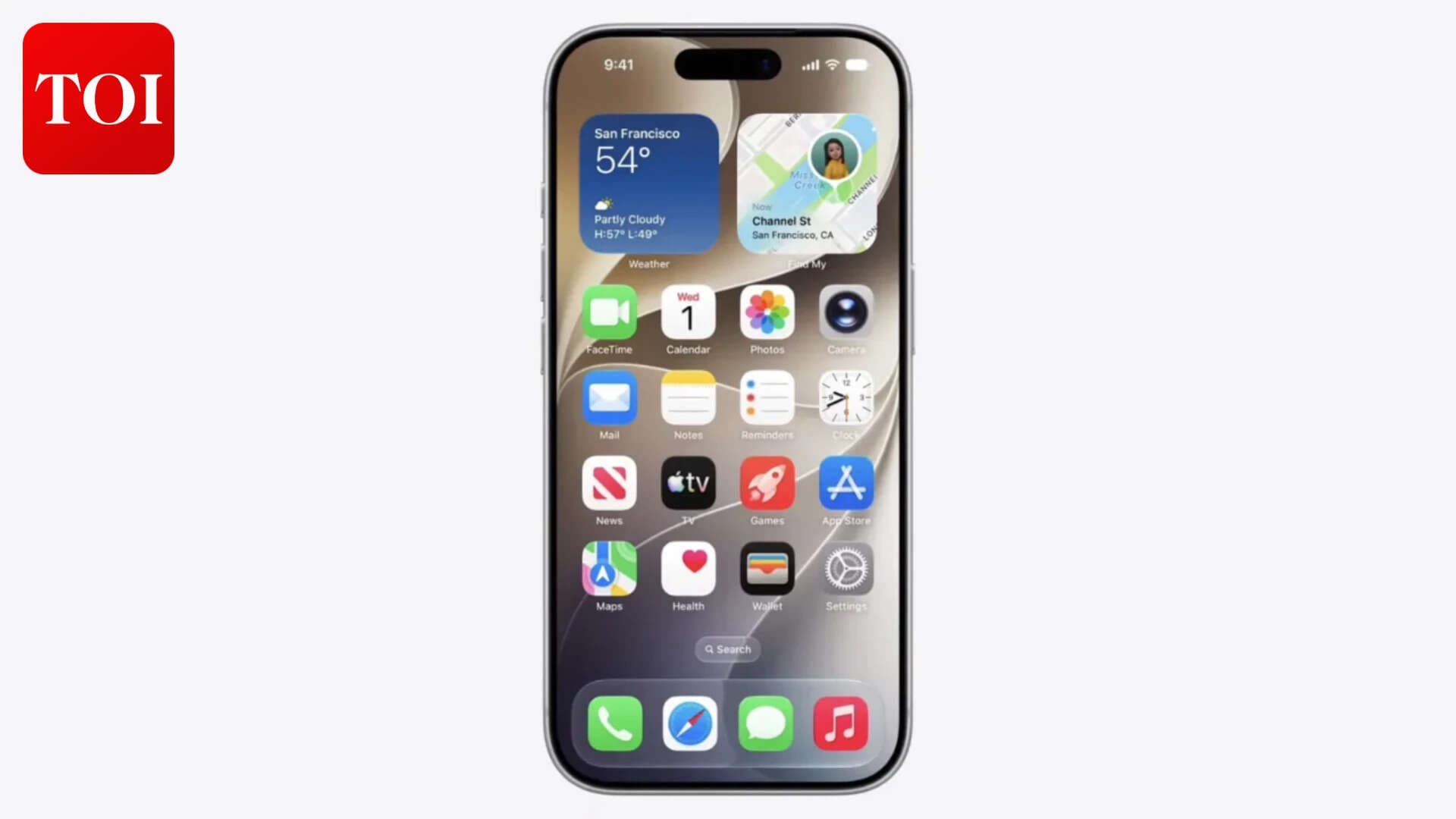
After two years of delays, Apple’s latest software brings a smarter assistant and a more user-controlled aesthetic to devices as old as the 2019 iPhone 11.
The stage at WWDC 2026 felt different this year. There was no lofty talk of reinventing the wheel; instead, Apple spent the keynote addressing the friction points that have nagged users for seasons. With the launch of iOS 27, the company is finally pushing its long-teased assistant into the spotlight, integrating Gemini technology to bridge the gap between Siri and the demands of modern generative tasks. For millions of users, the update represents a rare moment where Apple has traded a rigid design philosophy for user-led customisation.
A softer touch for Liquid Glass
The divisive translucent aesthetic that has defined recent iterations isn't going anywhere, but Apple is finally handing over the reins. The company introduced a new slider that lets users pull the Liquid Glass interface from opaque to fully clear, addressing widespread feedback regarding visibility and interface glare. App icons have received extra refraction layers, designed to offer a sharper look, while sidebars now stretch to the edge of the screen. It is a calculated climbdown for a design team that has historically been reluctant to surrender control of the user interface.
Speed and the "no one left behind" policy
Under the hood, the focus is squarely on efficiency. Apple claims that app launches are now 30% faster, and the time taken to surface new photos in the library has dropped by 70%. Even more significant for power users, AirDrop transfers are up to 80% quicker, and browsing external drives through the Files app now mirrors the snappy performance of a Mac’s Finder. Crucially, these gains aren't reserved for the latest hardware; a rewritten CPU scheduler ensures these improvements extend all the way back to the iPhone 11, making this the longest compatibility list in the company’s history.
The Gemini Siri arrival
After being shelved twice since 2024, the revamped Siri finally lands. It now lives within the Dynamic Island and features a dedicated app with iCloud-synced conversation history. By leveraging Gemini technology alongside Apple’s Private Cloud Compute, the assistant can handle complex, back-and-forth context queries that were previously impossible. Whether you are using a Vision Pro—where a 3D orb replaces the wake word—or simply interacting with your AirPods, the assistant’s voice now carries a natural intonation that feels less robotic and more conversational.
Why it matters: The bigger picture
This update signals a pivotal shift in Apple’s strategy: it is moving from a walled-garden innovator to a pragmatist. By integrating Google’s Gemini technology, Apple acknowledges that the race for intelligence is a collaborative one, not a solo sprint. The decision to support devices from 2019 onwards suggests that Apple is prioritising a massive, unified user base over forcing hardware upgrades. As the company faces increasing pressure to justify its premium pricing, making an older iPhone feel "faster" through software wizardry is a powerful retention tool. By finally giving users control over their visual environment, Apple is choosing to listen rather than dictate, marking a significant change in how the Cupertino giant manages its relationship with its customers.
National Affairs Desk at PoliticalPedia covers government & policy for an Indian audience in English and Hindi.