Apple’s Siri overhaul: Can the tech giant finally catch up in the AI race?
At WWDC, Apple unveils its strategy to win consumer AI, starting with a revamped Siri
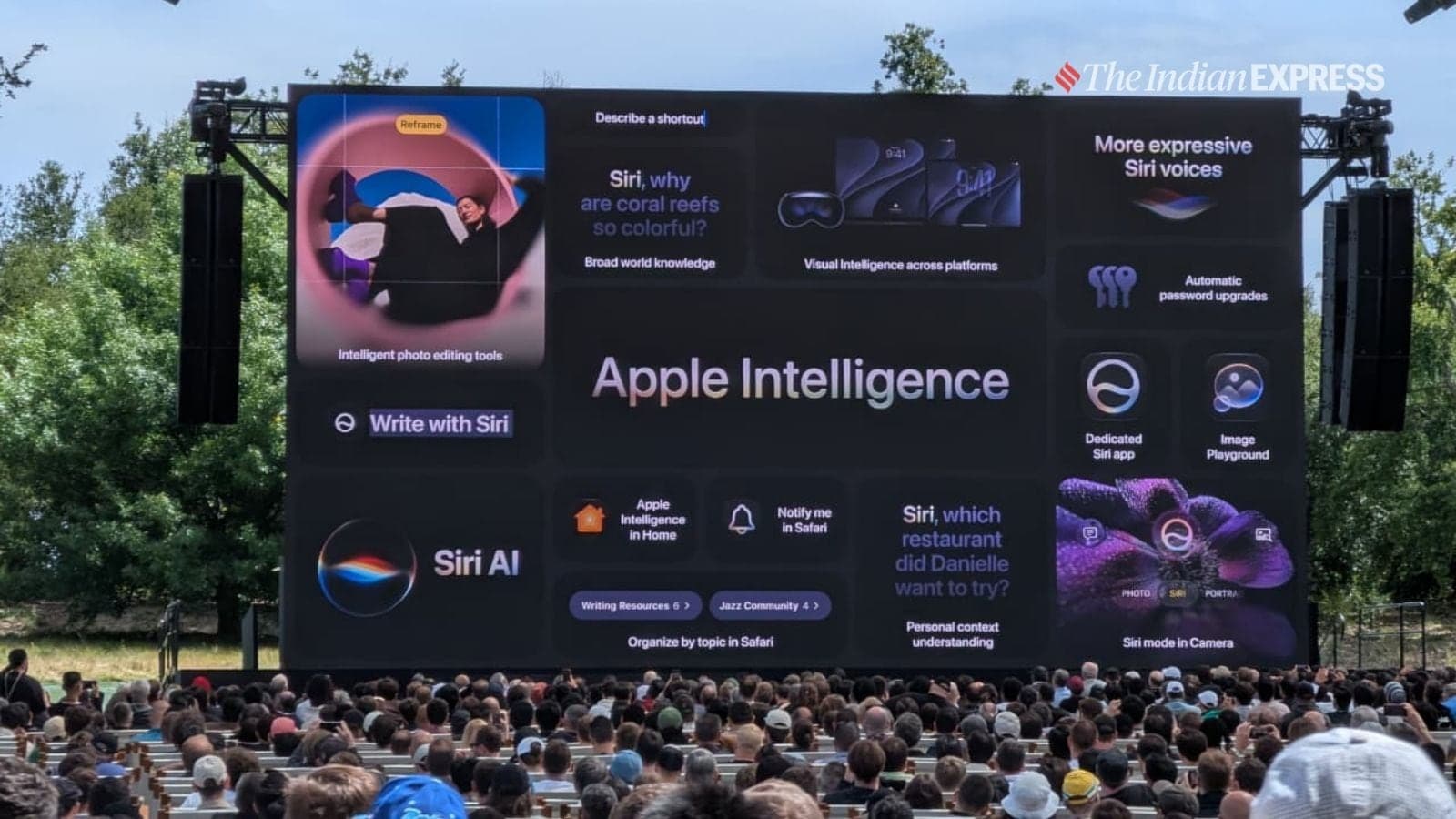
At WWDC, Apple has finally unveiled its strategy to redefine consumer AI, placing a revamped, hyper-intelligent Siri at the heart of its ecosystem.
Two years after the initial promise of a new era of Apple Intelligence, the company is finally moving past the delays that left investors and fans questioning its momentum. At WWDC 2026, the spotlight shone squarely on a reimagined Siri, one that promises to move beyond simple voice commands into the realm of deep personal context and multi-tasking. For a company that has famously played the long game, this is an attempt to pivot from being a laggard to a leader in the race for mainstream utility.
The redesigned assistant is no longer just a listener; it acts as a central nervous system for Apple devices. By leveraging the second version of Apple Foundation Models, the new system can interpret nuanced speech, images, and text with greater accuracy. During the conference, executives showcased how a single, complex command can trigger a chain of actions across the OS, coordinated by a new “system orchestrator.” This marks a departure from the fragmented experience of the past, aiming to make technology feel more intuitive rather than mechanical.
The Strategy: Utility over Hype
Craig Federighi, Apple’s senior vice president of software engineering, took a thinly veiled swipe at industry peers who have been sprinting to launch features. He argued that many competitors are “doing AI for the sake of it,” prioritizing speed over the actual needs of the user. Apple’s counter-strategy relies on the one thing it holds in abundance: the user's personal data, which it claims to use securely to provide highly relevant, context-aware assistance.
The engine room for this transformation involves a strategic partnership with Google, first announced earlier this year. By integrating Google Gemini models to power the backend of Siri, Apple is effectively outsourcing the heavy lifting of generative logic while retaining control over the user interface and privacy-focused integration. It is a pragmatic, if slightly uncharacteristic, move for a company that typically builds everything in-house.
Why it matters
This push comes at a critical juncture for the company, especially as it rolls out iOS 27 across its hardware lineup. The stakes are immense: Apple is attempting to prove that it can win not by being first, but by being the most useful. If the company succeeds in making these complex features feel like natural, invisible extensions of the iPhone and Mac experience, it will have successfully turned its late entry into a tactical advantage. However, the pressure is now on to ensure that these promised features—which have faced repeated delays—deliver a seamless experience to the average consumer who has little interest in the technical jargon of large language models.
The broader market will be watching closely to see if this synergy between Apple’s hardware dominance and Google’s model expertise creates a product that feels truly indispensable. If the new Siri can successfully manage a user's digital life without the friction that has plagued previous iterations, Apple might just reclaim its status as the primary architect of consumer technology. But for now, the gap between the promise of Apple Intelligence and the reality on the ground remains the company’s biggest hurdle to clear.
National Affairs Desk at PoliticalPedia covers government & policy for an Indian audience in English and Hindi.