An 'Organised Factory of Hate': India Blasts Pakistan’s New Propaganda Play at UN
'Organised factory of hate': India tears into Pakistan's 'Fitna al Hindustan' campaign at UN
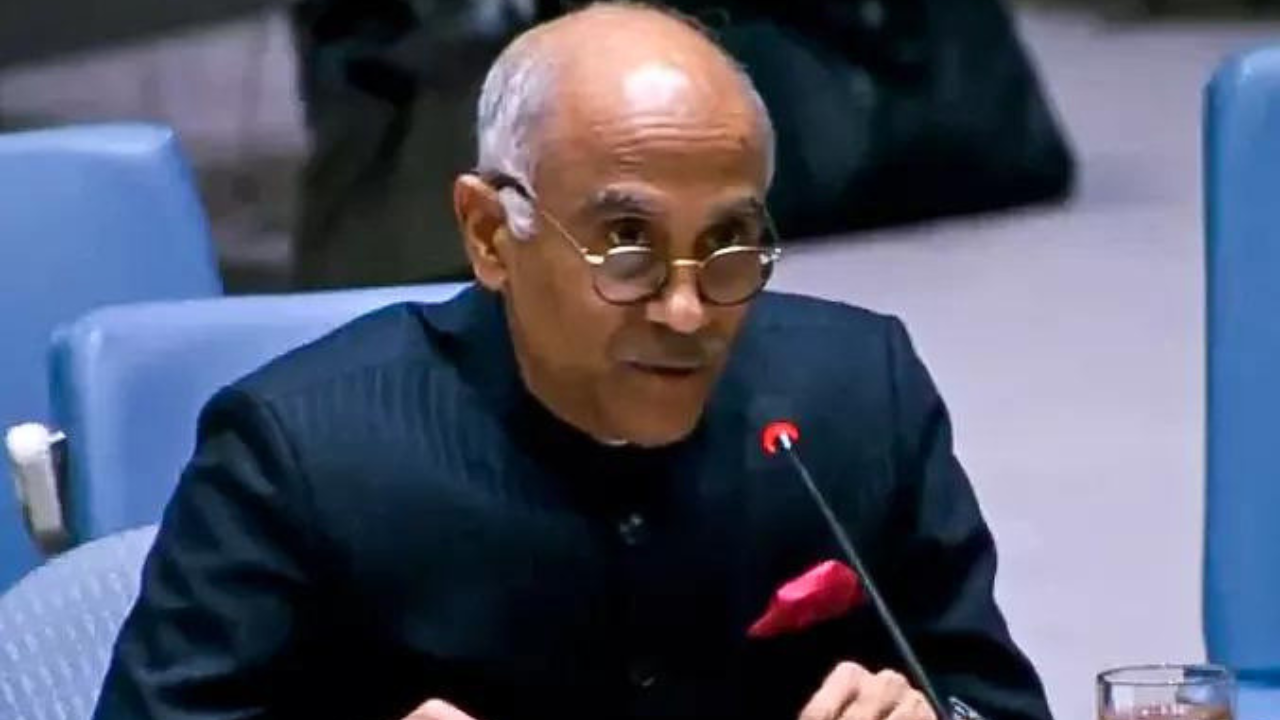
New Delhi has called out Islamabad’s state-sponsored campaign to rebrand domestic militants as a threat to India, terming the move a desperate deflection from internal crises.
The floor of the United Nations Security Council is rarely a place for subtlety, but this week, India’s Permanent Representative, Parvathaneni Harish, stripped away the diplomatic veneer. In a searing response to Pakistan, Harish dismantled Islamabad’s latest narrative offensive—a state-led effort to rebrand internal militant groups as "Fitna al Hindustan." By mandating that its government agencies use this specific religious terminology, New Delhi argues that Pakistan is attempting to manufacture an external enemy to distract its citizens from a crumbling domestic landscape.
Harish did not mince words, labeling the initiative an "organised factory of hate." According to the Indian envoy, the campaign is a calculated piece of misinformation. It is designed to dress up Pakistan's own internal security failures as a proxy battle against India, effectively weaponizing terminology to sustain a cycle of hostility that has long defined the relationship between the two neighbours.
A Pattern of Deflection
The timing of this rhetoric is telling. As Pakistan struggles with severe economic instability and a political structure increasingly beholden to its military, the "Fitna al Hindustan" narrative serves as a convenient lightning rod. Harish pointedly observed that this is a classic playbook: when the state faces deep-seated constitutional or governance issues, it pivots to blaming India to deflect public scrutiny. This latest attempt, however, is seen by New Delhi as an escalation, as it institutionalises the propaganda through official government notifications.
Hypocrisy at the Border
The friction extended beyond the debate on radicalisation. India also held Pakistan accountable for its aggressive posture toward Afghanistan, specifically citing the civilian toll caused by cross-border military operations. Harish reminded the council that calling a massacre a "military operation" does not wash the blood off the perpetrator’s hands. He highlighted the glaring hypocrisy of a nation that speaks of high moral ground and Islamic solidarity while conducting airstrikes against civilians, even during the holy month of Ramadan.
Why it matters
This confrontation underscores a shift in how India handles Pakistan on the global stage. Rather than just responding to individual incidents, New Delhi is now systematically exposing the mechanics of Pakistan's misinformation ecosystem. By pinning the "factory of hate" label on Islamabad at the UN, India is signaling to the international community that Pakistan’s regional instability is not a byproduct of external pressure, but a deliberate policy choice. The move effectively boxes Pakistan into a corner, forcing it to defend its domestic policy failures under the bright lights of the Security Council, while simultaneously highlighting the growing influence of the Pakistani military over civilian governance.
Priya Nair covers parties, elections and the business of power for PoliticalPedia.