After a Frosty Patch, Trump and Netanyahu Signal a Pivot with Planned US Meeting
Netanyahu, Donald Trump agree to meet in US soon after phone call
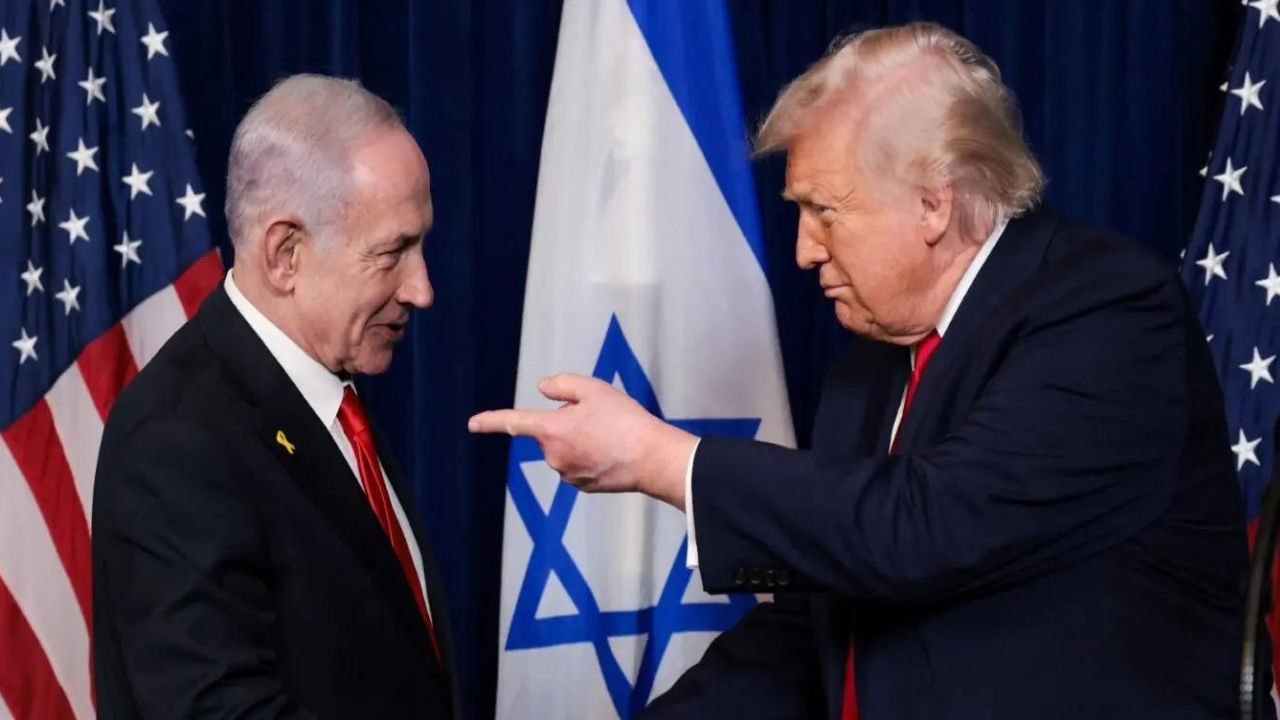
The Israeli Prime Minister and the US President have agreed to a face-to-face summit following a high-stakes phone call, signaling a potential reset in their turbulent diplomatic relationship.
The diplomatic ice between Washington and Jerusalem appears to be thinning. In a phone call held this past Friday, Benjamin Netanyahu and Donald Trump moved past weeks of public friction to agree on a forthcoming meeting in the United States. While the Israeli Prime Minister’s Office (PMO) confirmed the plan, they remained characteristically tight-lipped on the logistics, offering no specific dates or venues for the summit.
The conversation served as a carefully choreographed display of unity. Netanyahu used the opportunity to congratulate the US President on the 250th anniversary of the founding of the United States, framing the superpower as the global guarantor of freedom. It is a calculated pivot for the two leaders, coming at a time when their private frustrations over the handling of regional conflicts had begun to spill into the public domain.
A Wider Geopolitical Chessboard
This thaw arrives against a backdrop of intense regional maneuvering. Even as the leaders prepare to meet, the US and Israel have been engaged in coordinated military operations targeting Iranian interests. Simultaneously, diplomatic tracks are running in parallel; negotiators in Doha recently reported "positive progress" regarding a 14-point Memorandum of Understanding involving Qatar, Pakistan, and Iranian officials.
For Netanyahu, the stakes remain high on his northern border. Despite an existing ceasefire framework with Lebanon, his administration has signaled no intention of easing pressure on Hezbollah. Israeli Deputy Foreign Minister Sharren Haskel was blunt in her assessment, framing the group as an "Iranian terrorist army" that must be disarmed. The message from Jerusalem is clear: military operations will continue as long as the security threat persists, regardless of the broader diplomatic climate.
Why it matters: The Shift in Dependency
Perhaps the most striking development in the lead-up to this call was Netanyahu’s recent assertion that Israel should begin weaning itself off American financial aid. By likening the current assistance to "welfare" and expressing a desire to end it, the Prime Minister is signaling a shift toward a more autonomous economic footing. Whether this is a genuine policy pivot or a rhetorical move to gain leverage in upcoming negotiations remains to be seen.
The bigger picture here is one of recalibration. Trump and Netanyahu are both navigating a landscape where their traditional alliance is being tested by shifting regional realities and domestic pressures. A face-to-face meeting is a vital tool to bridge these gaps, but the actual policy outcomes will depend on whether they can move beyond the symbolism of the "phone call" to resolve the deeper disagreements over the path forward in the Middle East.
Arjun Mehta reports on government, policy and Parliament for PoliticalPedia, in English and Hindi.