100 Days of Iran-US War: Why India Remains Trapped in the Crossfire of an Unresolved Conflict
100 days of Iran-US war: Who’s winning, who’s losing, and why India is worried
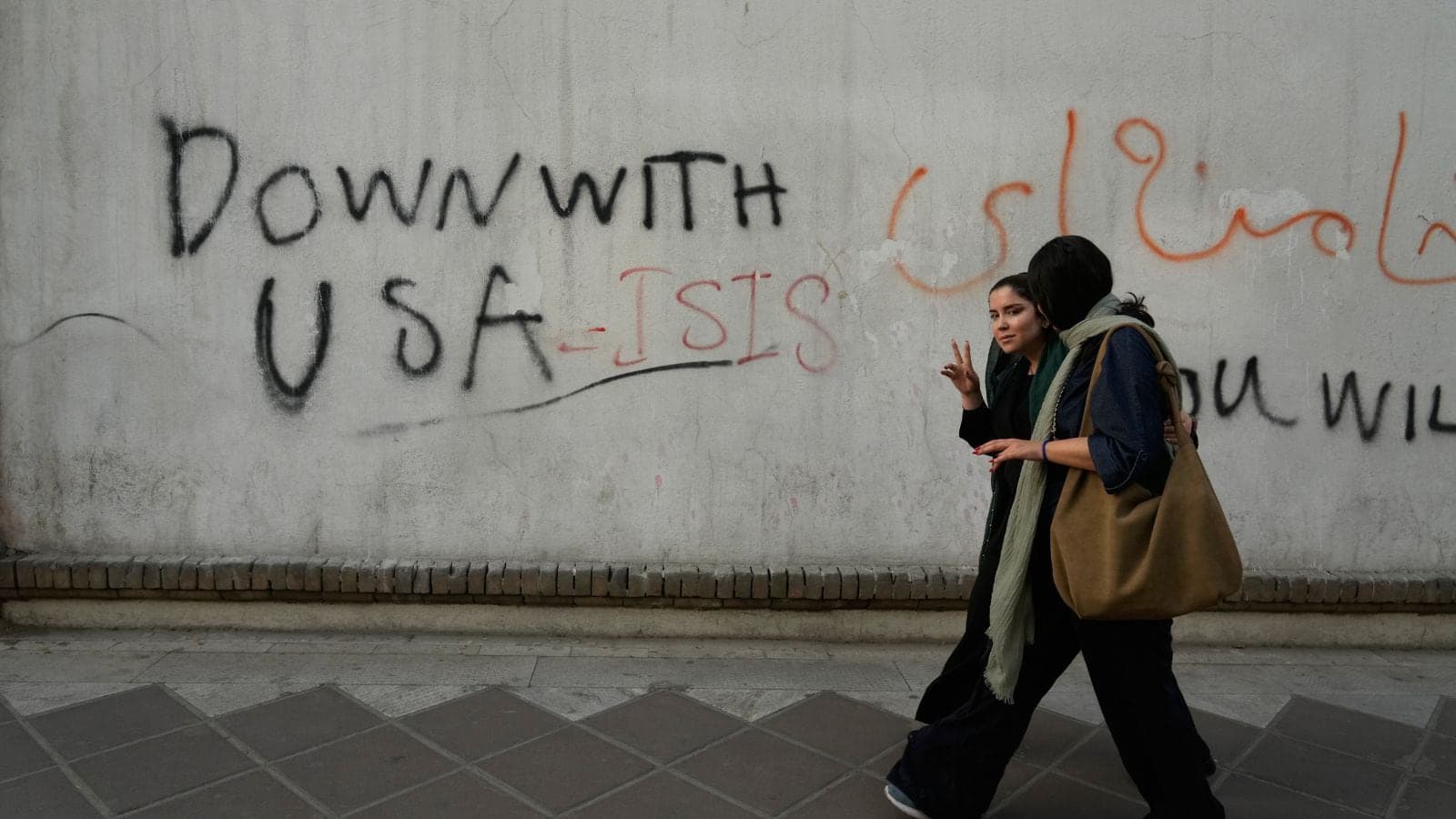
As the US-Israel military campaign against Iran hits the 100-day milestone, the global economy faces mounting uncertainty while India contends with the direct human and energy costs of a widening regional crisis.
The conflict, which erupted on February 28, 2026, following a series of precision strikes that killed Iran’s Supreme Leader Ayatollah Ali Khamenei, has entered a state of perilous stagnation. While Washington and Israel have achieved significant tactical victories—including the systematic degradation of Iranian naval assets and the destruction of nuclear facilities at Natanz and Fordow—the strategic objectives of President Donald Trump remain largely unfulfilled. Tehran, despite the loss of its top leadership and crippling economic sanctions, continues to exert leverage by effectively shuttering the Strait of Hormuz, a critical artery through which 65-70 percent of India’s crude oil supplies must transit.
The Human and Economic Toll on India
For New Delhi, the war is not a distant geopolitical abstraction but an urgent national security concern. The death of an Indian national during a June 3 Iranian drone strike at Kuwait International Airport brought the reality of the war to India’s doorstep. Beyond the immediate threat to the vast Indian diaspora in the Gulf, the sustained disruption of global energy markets has kept crude prices elevated, placing immense pressure on India’s import-dependent economy. With $50 billion in annual remittances at risk and shipping routes heavily restricted, the Indian government finds itself navigating a delicate diplomatic tightrope, maintaining neutrality while struggling to safeguard its interests in a region spiraling into deeper instability.
Military Reality vs. Diplomatic Deadlock
The Pentagon maintains that the military campaign has successfully decimated Iran’s ballistic missile program, a central pillar of Tehran’s regional deterrence. However, the conflict’s trajectory has shifted from a swift operation—as initially envisioned by the White House—into a grinding war of attrition. Efforts to secure a lasting peace have faltered; Iran has ceased communication with US mediators regarding the extension of the April 7 ceasefire, and internal political friction in Washington is growing. A recent House vote to restrict President Trump’s war powers underscores the increasing domestic unease over a conflict projected to cost the United States between $630 billion and $1 trillion.
A Region in Limbo
The situation on the ground remains volatile, with active Israeli strikes against Hezbollah in Lebanon continuing despite previous US-brokered agreements. The total human toll is staggering, with at least 3,500 people killed in Lebanon alone and over 3.9 million displaced across the region. As the conflict drags toward September, the primary challenge for global powers is no longer just the military outcome, but the management of a vacuum created by the absence of a clear governing authority in Tehran. For India, the primary lesson of these 100 days is that as long as the Strait of Hormuz remains a bargaining chip in this high-stakes standoff, the stability of its own energy security remains precariously balanced on the outcome of a war with no clear end in sight.
The PoliticalPedia Editorial Desk brings verified, sourced political news and analysis from across India.