Nepal Seeks Bilateral Path for Border Disputes, Rejects Third-Party Mediation
Nepal wants border disputes settled through existing mechanisms; rejects mediation
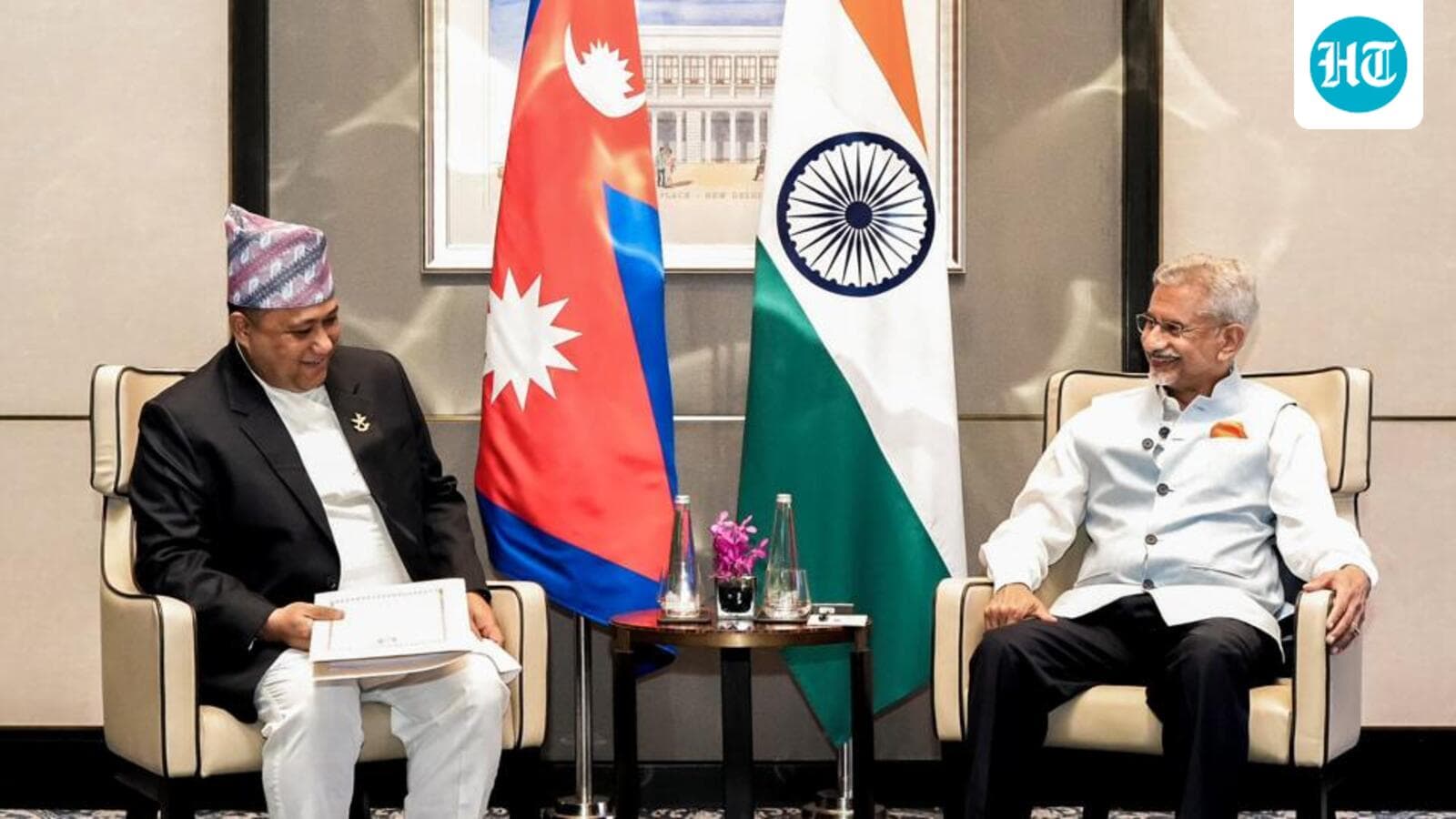
Foreign Minister Shishir Khanal signals a pivot toward development diplomacy, aiming to move past historical friction with India.
Kathmandu is recalibrating its diplomatic posture, with Foreign Minister Shishir Khanal affirming that Nepal wants to address outstanding border issues with India exclusively through established bilateral mechanisms. Following high-level discussions in New Delhi, the minister clarified that the Himalayan nation is not seeking third-party intervention, effectively moving to quiet concerns sparked by recent remarks from Prime Minister Balendra Shah regarding the potential involvement of external actors.
Shifting Focus to Development
The visit, which served as a reset for ties following Nepal’s March general election, marked a concerted effort to shift the bilateral agenda away from long-standing geopolitical anxieties. Minister Khanal emphasized that the two nations must look toward a shared future, suggesting that the goal is to transform the border regions into "highly efficient bridges" rather than points of frustration. By prioritizing development diplomacy over hyper-nationalistic rhetoric, the current administration aims to foster a more pragmatic partnership.
The border region in question—encompassing Kalapani, Lipulekh, and Limpiyadhura—has long been a sensitive point of contention. Friction intensified after India and China moved to resume the Kailash Mansarovar Yatra through the Lipulekh pass, a development that prompted Kathmandu to issue formal diplomatic notes. While these territories remain a point of historical disagreement, Khanal insisted that the path forward lies in dialogue, not external arbitration.
Clarifying the 'Third-Party' Narrative
Addressing the confusion surrounding Prime Minister Shah’s earlier comments, which had hinted at a role for China and the UK in settling the border dispute, the Foreign Minister provided crucial context. He noted that the Prime Minister’s reference to the UK was tied to the 1816 Treaty of Sugauli, as Kathmandu seeks access to historical colonial-era documents to support its claims. "Our position was not that we were asking for mediation," Khanal stated, clarifying that the leadership intends to resolve these legacy issues through direct, government-to-government talks.
New Delhi’s position remains firm and consistent: India has maintained that it will not entertain third-party involvement in its bilateral matters, asserting that all undemarcated segments must be addressed solely through existing diplomatic channels. By aligning with this approach, the Nepalese government appears to be de-escalating a situation that threatened to strain the regional equilibrium.
Moving Beyond History
The significance of this diplomatic reset lies in the departure from the "anxieties of the past." Both New Delhi and Kathmandu acknowledge that while historical legacies are complex, they should not dictate the trajectory of modern economic and infrastructural cooperation. As both sides prepare for further engagement, the focus is expected to remain on collaborative growth, ensuring that border disputes do not hinder the broader promise of the India-Nepal partnership.
The PoliticalPedia Editorial Desk brings verified, sourced political news and analysis from across India.