Xi Jinping’s Pyongyang Visit: Decoding the Strategic Pivot in China-North Korea Ties
With Xi Jinping set to meet Kim Jong-Un this week, what’s driving China-North Korea relations?
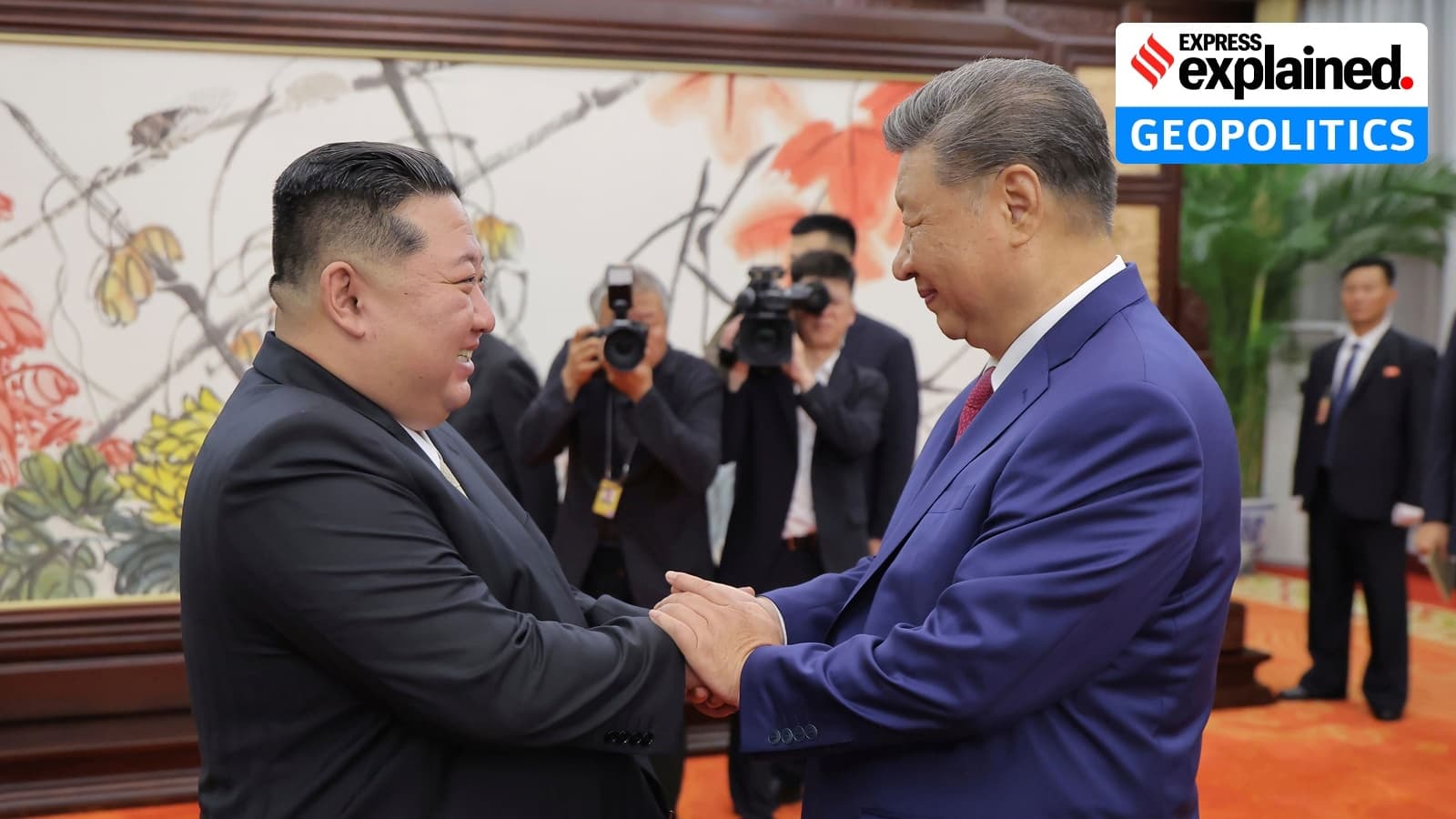
As Chinese President Xi Jinping prepares for a landmark two-day trip to North Korea, the geopolitical landscape of East Asia faces a significant recalibration amid shifting alliances and global power plays.
The upcoming visit of Xi Jinping to North Korea, beginning Monday, June 7, marks a pivotal moment in regional diplomacy. Seven years after his last visit to Pyongyang, the Chinese leader’s arrival comes at a time when Beijing is asserting its influence as a central player in world politics, even as it navigates complex, occasionally reluctant, engagements on the global stage. This high-stakes meeting with Kim Jong-Un follows a flurry of diplomatic activity in Beijing, including recent visits by US President Donald Trump and Russian President Vladimir Putin, signaling that the hermit kingdom remains a vital piece of China’s broader strategic architecture.
A Legacy of Shared Security
While China functions as an industrial giant, its relationship with North Korea has never been purely transactional. The ties are deeply rooted in the historical anxieties of the post-World War II era. After the 1950 Inchon landings by UN forces, the leadership in Beijing feared that American military advancement toward the Yalu River posed an existential threat to the stability of the Chinese Communist Party. This historical context—a fear of a two-front war and the desire to prevent US-aligned forces from controlling the entire Korean peninsula—continues to underpin the strategic rationale for the China-North Korea alliance today.
Navigating Nuclear Tensions and New Blocs
The timing of this visit is particularly sensitive. Reports indicate that Pyongyang reaffirmed its nuclear status only a day before the scheduled talks, casting a long shadow over the proceedings. The visit also coincides with a period where the formation of a "CRINK" bloc—comprising China, Russia, Iran, and North Korea—has gained traction in Western security discourse. By engaging directly with Kim Jong-Un, Xi is effectively balancing his interactions with the West while ensuring that Beijing maintains its grip on its neighbor, preventing any sudden shift in the regional status quo that could favor American interests.
The Logistics of Rapprochement
Beyond the nuclear rhetoric, there are tangible signs that the relationship is warming. The recent resumption of rail services between the two nations suggests that logistical and economic channels are being "brought back on track" ahead of larger multilateral summits. Analysts note that while the US seeks to clinch deals with China during ongoing Asia trips, Beijing is simultaneously ensuring that its influence over North Korea is not sidelined. By rolling out the red carpet for various global leaders while maintaining a firm hold on its closest ally, Xi is attempting to steer a middle path between competing for global dominance and managing the volatile dynamics of the Korean peninsula.
Why This Matters
For India and the wider international community, this visit is a barometer for how China intends to handle the North Korean nuclear question under the broader umbrella of its "great power" diplomacy. Whether Kim Jong-Un is willing to oblige Beijing’s desire for stability while maintaining his own strategic autonomy remains the central question. As the world watches, the summit in Pyongyang will likely reveal whether these two traditional allies are moving toward a tighter, more coordinated front or if the complexities of modern geopolitics will continue to strain their historic, if sometimes uneasy, bond.
The PoliticalPedia Editorial Desk brings verified, sourced political news and analysis from across India.