Wikipedia Co-Founder Larry Sanger Banned After CNN-News18 Interview On Bias Claims
Wikipedia Co-Founder Larry Sanger Banned After CNN-News18 Interview On Bias Claims | #plainspeak
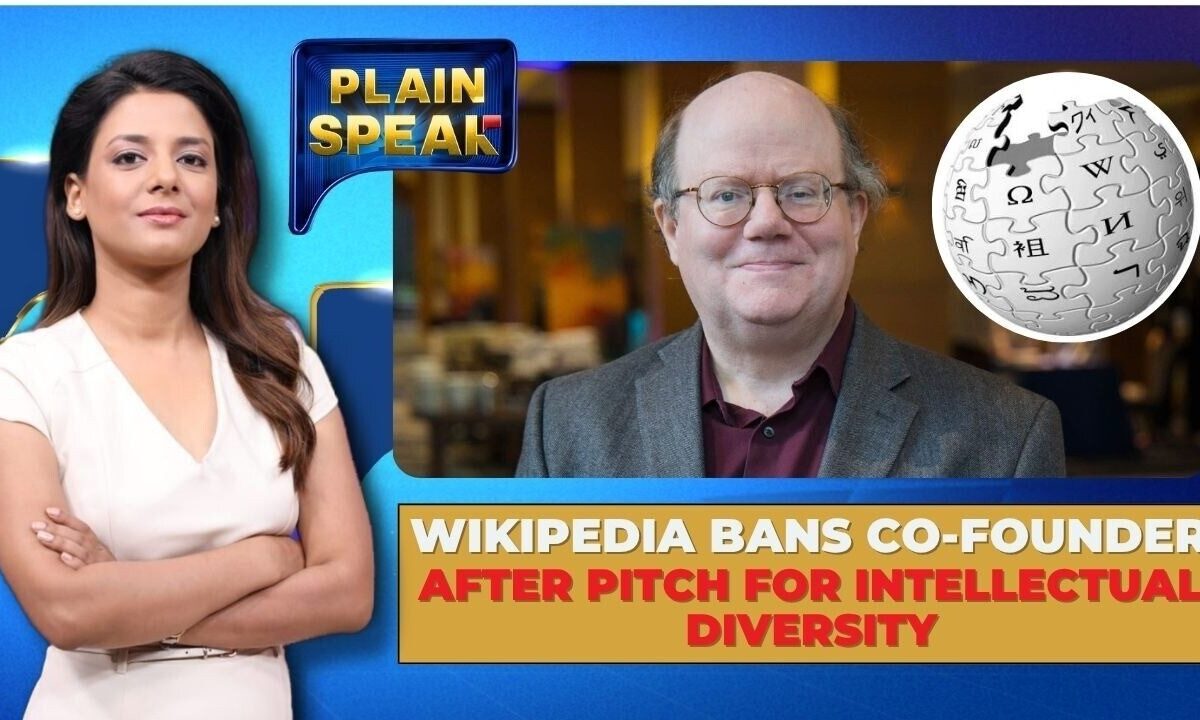
The man who helped build the world’s largest digital encyclopedia finds himself effectively silenced by the very platform he once championed.
It is a rare irony in the digital age: Larry Sanger, one of the original architects of Wikipedia, has been barred from editing the site he helped bring to life. The ban follows his candid appearance on a recent CNN-News18 interview, where he laid out a scathing critique of the platform’s systemic shift toward ideological bias. For years, Sanger has argued that the community-driven project has strayed from its founding principle of neutrality, becoming an echo chamber that favors specific viewpoints while marginalizing dissent.
The Fallout of the Interview
The controversy reached a boiling point after Sanger used the News18 platform to articulate his frustrations with how Wikipedia operates today. His claims focused on what he terms the "ideological capture" of the site’s editing process. According to reports, the platform’s response to his public campaign for a more balanced editorial policy was not a debate, but a digital exile. By blocking its own co-founder from making edits, the site has inadvertently underscored the very point Sanger has been making: that the current governance structure is increasingly intolerant of internal challenge.
While millions of users turn to Wikipedia daily for everything from cricket statistics to historical context, the site’s internal politics remain opaque. Sanger’s experience highlights a growing trend where the original vision of "open-source" knowledge is being challenged by the realities of modern content moderation. It is no longer just about facts; it is about who holds the power to decide which facts appear on the landing page.
Why it Matters: The bigger picture
The implications here extend far beyond the edit history of a single web page. As we increasingly rely on digital encyclopedias as the primary arbiters of truth, the question of who guards the gates becomes paramount. If a platform’s own creator cannot advocate for neutrality without being purged, it suggests a narrowing of the information ecosystem. This isn't just a technical dispute; it is a signal that the era of the "neutral internet" is under severe strain. When digital giants prioritize consensus over rigorous, multi-perspective inquiry, the casualty is often the public’s ability to access a balanced, holistic view of global events.
A Changing Landscape
This incident arrives at a time when the broader internet is grappling with similar questions of censorship and bias. Whether it is the impact of social media algorithms on elections or the way rights campaigners—like those recently making headlines in Pakistan—are discussed online, the pressure to conform to a specific narrative is intense. For the average reader scrolling through their feed between checking movie schedules or the latest sports scores, the Wikipedia ban on Larry Sanger might seem like a niche tech dispute. However, it serves as a stark reminder that the digital architecture we trust is not as objective as it claims to be.
Ananya Iyer covers global affairs with an Indian lens for PoliticalPedia.