Why Vaibhav Sooryavanshi will use a separate dressing room during the UK tour
Why Vaibhav Sooryavanshi will use a separate dressing room during Ireland T20Is
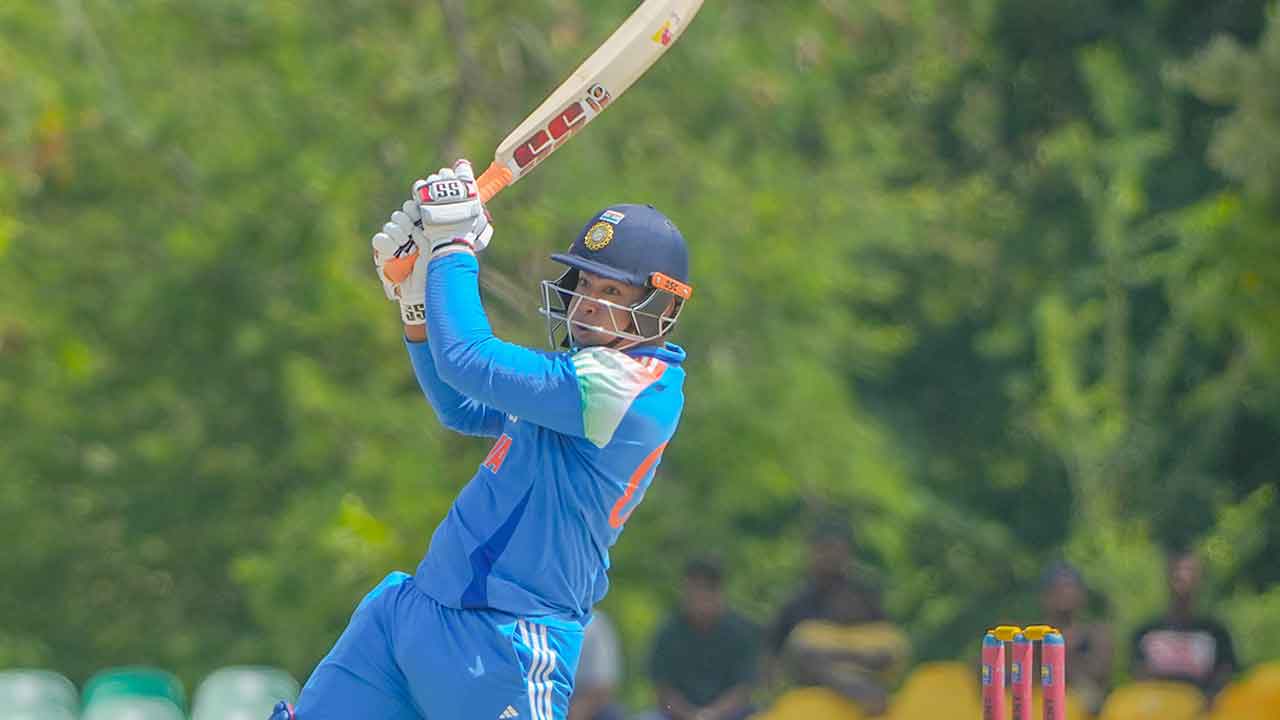
The 15-year-old batting prodigy is set to make history on his debut, but local safeguarding laws in the UK will keep him away from the main changing area.
The countdown to Friday’s T20I opener at Stormont in Belfast isn’t just about the promise of a new Indian batting star. As 15-year-old Vaibhav Sooryavanshi prepares to potentially eclipse Sachin Tendulkar’s record as India’s youngest men’s international cricketer, his arrival brings with it a complex logistical dance. Because he is a minor, the BCCI must navigate stringent child safeguarding regulations in the United Kingdom, ensuring the teenager uses a separate changing room throughout the upcoming series in Ireland and England.
The logistics of safeguarding
Cricket Ireland has confirmed that the Indian team has been granted three distinct rooms at the pavilion to ensure full compliance with UK law. While Sooryavanshi is free to participate in all team meetings, tactical briefings, and communal moments with his senior teammates, he cannot share the changing space while getting ready. This protocol isn’t an isolated mandate; it is a rigid legal requirement for minors operating in high-performance sports environments across Britain.
The England and Wales Cricket Board (ECB) is working closely with the Indian team’s liaison officers to ensure these standards are met without disrupting the team’s rhythm. Safeguarding officers are stationed at every venue to monitor the arrangement, applying both the ICC’s international safeguarding directives and the ECB’s specific "Safe Hands" policy.
Family support as a buffer
To mitigate the isolation that such measures might impose on a young player, the BCCI has secured a special dispensation. In a break from typical tour protocols, Sooryavanshi’s parents are travelling with him and staying in the same team hotel. This added layer of support was explicitly cleared by the ECB to provide the teenager with constant care and parental supervision, offering a level of comfort that rarely extends to senior touring squads.
Why it matters
The sight of a 15-year-old navigating the pressures of international cricket is rare, but the administrative hurdles around him reflect a changing global sporting culture. Sports boards are no longer just managing match fitness; they are increasingly acting as legal guardians. This incident highlights the friction that occurs when India’s traditional team-centric culture meets the stringent, individual-centric regulatory frameworks of Western nations. It is a sign of the times: as the age of debutants drops globally, the "off-field" management of players is becoming just as critical as their performance on the pitch.
Priya Nair covers parties, elections and the business of power for PoliticalPedia.