Debunking the Myths: What Norway Really Air-Lifted to the USA for the World Cup
What Norway took to USA for World Cup: 400kg fish, 180kg cheese and 3 chefs
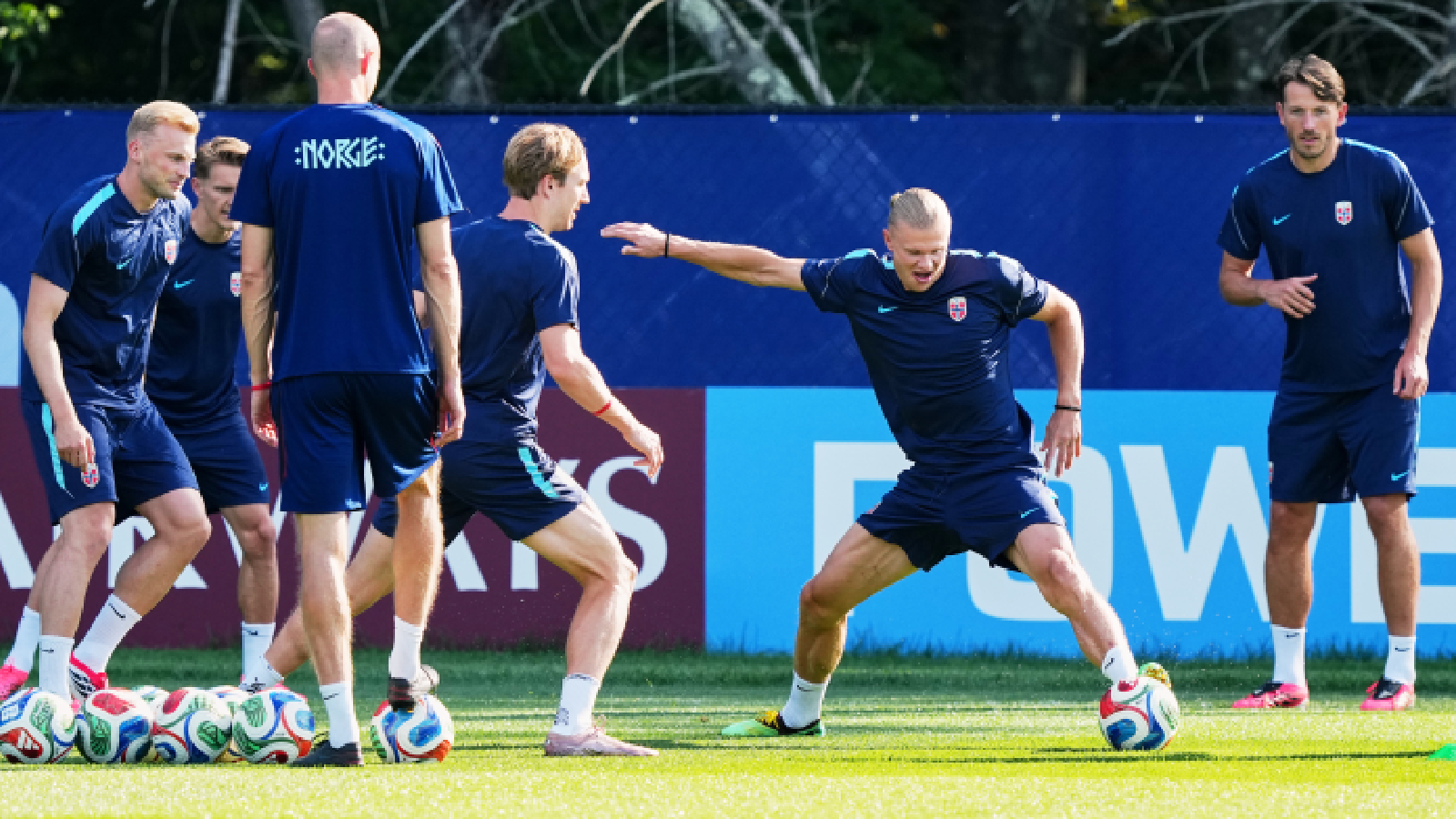
An exclusive look at the logistics behind the Norwegian team’s diet, correcting viral rumors about imported oranges and excessive cargo.
The viral narrative surrounding the Norwegian football team’s participation in the World Cup has been heavy on hyperbole. Social media was recently ablaze with claims that the squad had essentially airlifted an entire grocery store from Scandinavia to the USA, including crates of oranges. However, the reality of the team’s nutritional strategy is far more calculated—and significantly leaner—than the internet would have you believe.
The Reality Behind the Numbers
Aron Espeland, the team’s head chef, has stepped in to clarify the logistics. While initial reports insisted the team had flown in a staggering 1,000 kilograms of supplies, the actual figure is 580 kilograms. Far from a whimsical decision to import citrus, the cargo is a precision-planned nutritional kit. The shipment consists of 400 kilograms of fish—specifically salmon, trout, and halibut—alongside 180 kilograms of cheese, split between brown and Jarlsberg varieties.
Espeland was quick to shut down the persistent rumor about the Norwegian oranges. The team, he confirmed, consumes freshly squeezed juice every morning, but the fruit itself is sourced locally in the USA. The goal wasn't to bypass American food quality, but to maintain a sense of familiarity for the players during a high-stakes tournament.
Why Consistency Matters
In elite sports, the margin between winning and losing is often found in the margins of recovery and routine. Espeland explains that the decision to bring specific Norwegian staples is rooted in a desire for consistency. When athletes are operating at the peak of their physical capabilities, shifting to an entirely foreign diet can cause unnecessary stress on the body.
By blending high-quality local produce found across the USA with these specific, familiar flavors from home, the culinary team is aiming to create a sense of continuity. It is a logistical move designed to keep the players’ morale and physical well-being steady during the intense pressure of the World Cup.
The Bigger Picture
This incident highlights the growing scrutiny on the logistics of international sports. As global events become more complex, the "home comforts" of national teams are being documented with forensic intensity by fans and analysts alike. While the viral reports of "imported oranges" were factually incorrect, they speak to a broader public fascination with how top-tier athletes maintain their edge on foreign soil.
Moving forward, we can expect national squads to be more transparent about these shipments, if only to manage the public perception of their operational costs. Ultimately, the Norwegian approach serves as a reminder that even in a globalized game, the "home advantage" often starts in the kitchen.
Arjun Mehta reports on government, policy and Parliament for PoliticalPedia, in English and Hindi.