Why Sonia’s Olive Branch to Mamata Has Sparked a Buzz About a Possible TMC-Congress Rapprochement
Congress-TMC Merger On Cards? Why Sonia's Olive Branch To Mamata Has Sparked A Buzz
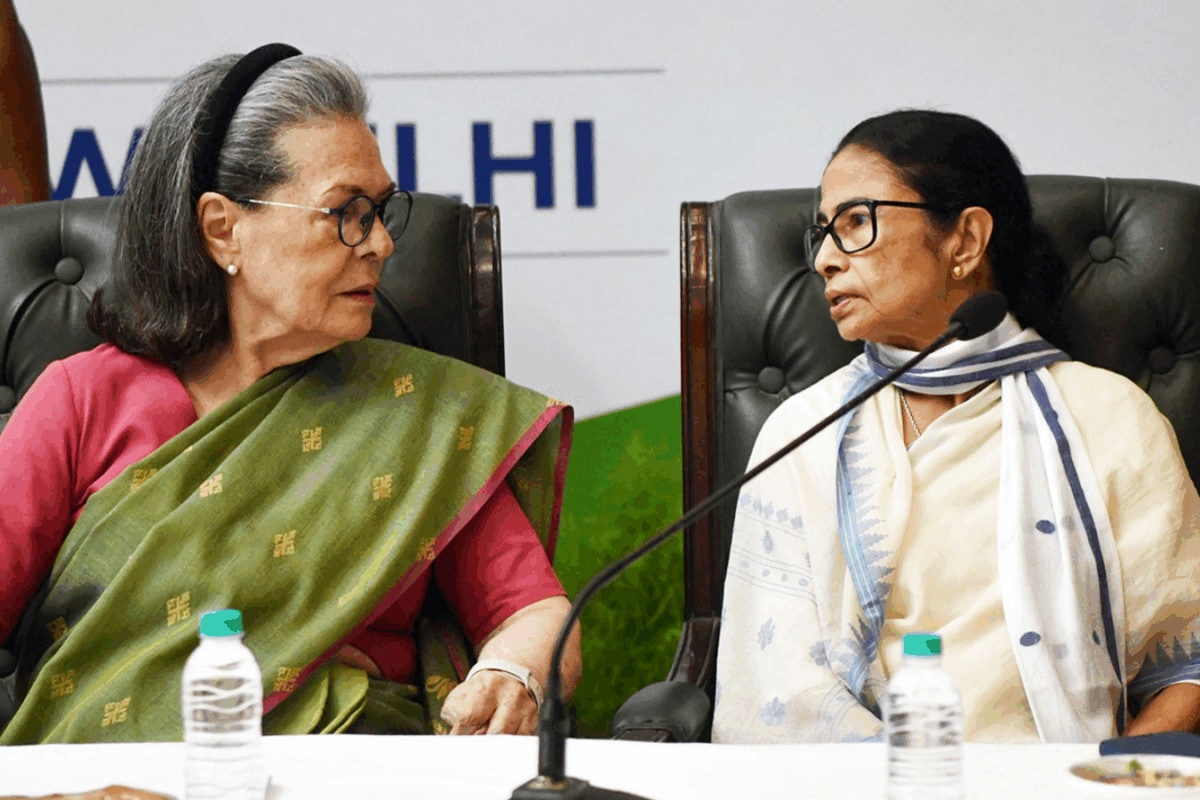
A quiet conversation between the two leaders has set the corridors of power talking, but the reality of a political realignment remains a distant prospect.
The optics of a handshake in Delhi often carry more weight than the actual substance of a meeting. When Sonia Gandhi reached out to Mamata Banerjee, the move was immediately interpreted by political observers as an olive branch aimed at bridging the long-standing divide between the Congress and the Trinamool Congress (TMC). With the TMC currently battling internal turbulence and persistent questions about dissent within its ranks, this outreach has triggered a fresh wave of speculation regarding a potential TMC-Congress merger on cards.
For the Congress, the message was clear: the two parties should move away from being adversaries and instead align their efforts against the BJP. Sources within the party indicate that Gandhi’s pitch was centered on the necessity of a united opposition, particularly as the INDIA bloc seeks to consolidate its strategy. However, while the buzz has reached a fever pitch, the practicalities of such a union remain entirely unaddressed.
The Reality Behind the Rumours
Despite the intense chatter, ground-level reports suggest that a formal merger is nowhere near the drafting table. Congress insiders have clarified that no structured proposal has been floated by either camp. In the tactical playbook of the Congress, any move toward a merger or a formal political arrangement must originate from the TMC’s leadership in Kolkata. As of now, that initiative is missing.
The Congress leadership maintains that while cooperation is the goal, the "merger" narrative is currently running well ahead of reality. Any such significant decision would require extensive internal consultations, a process that has yet to even begin. For now, the conversation remains limited to a desire for better coordination rather than a total integration of party structures.
Why it matters
The bigger picture here is the persistent pressure on the INDIA bloc to present a unified front. The TMC, despite its regional dominance, is facing a complex phase of internal churn, and the Congress is desperate to regain lost political ground in West Bengal. By suggesting they "fight back" together, Gandhi is essentially trying to prevent a further splintering of anti-BJP votes.
However, the history of rivalry between these two parties is deep-rooted. Mamata Banerjee’s brand of politics is defined by her independence, and it is highly unlikely she would surrender her party’s identity to a national outfit unless the political survival of her own cadre becomes the primary priority. For now, the "olive branch" is merely a signal for a tactical truce—not a marriage of convenience.
Arjun Mehta reports on government, policy and Parliament for PoliticalPedia, in English and Hindi.