Why RGV is calling the low-budget hit Obsession a masterclass for Indian filmmakers
Why RGV believes Obsession is a masterclass for filmmakers: ‘No big stars, no heavy VFX’
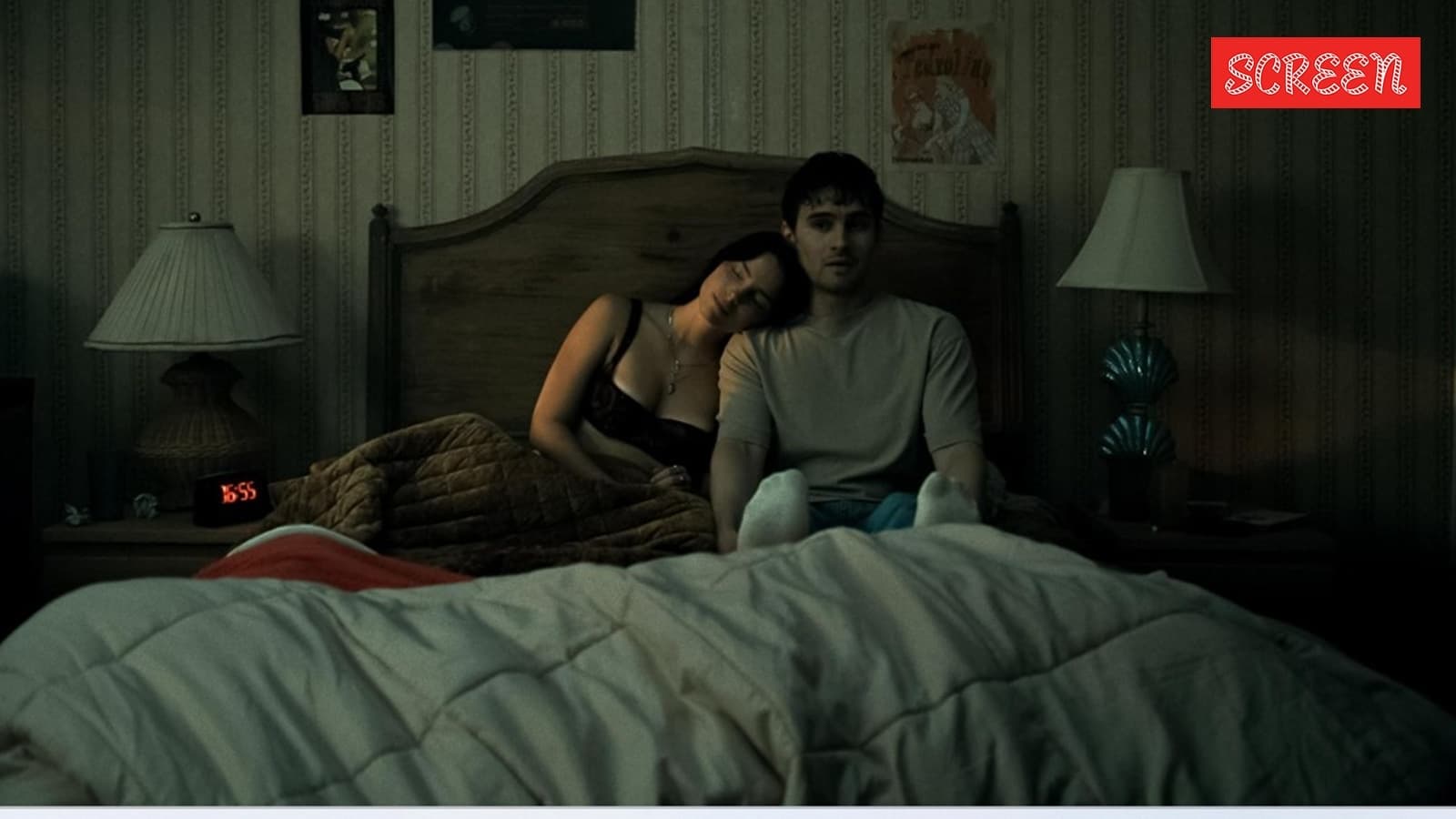
The supernatural horror sensation has shattered the myth that massive budgets and star power are prerequisites for global cinematic success.
The cinematic landscape often operates under the assumption that a blockbuster requires a nine-figure budget, heavy VFX, and a roster of A-list stars to lure audiences into theatres. However, the American psychological horror film Obsession, directed by Curry Barker, has systematically dismantled this industry dogma. As global box office figures climb past the $178 million (approx. Rs 1,697.51 crore) mark, the film is being hailed not just as a financial anomaly, but as a technical masterclass.
Ram Gopal Varma, a veteran filmmaker whose influence on Indian cinema has been palpable since the 1990s, has become the film's most vocal champion. Taking to social media, Varma argued that the movie acts as a necessary "reset button" for an industry currently preoccupied with spectacle over substance. He pointed out that Obsession managed to captivate viewers without relying on lavish production design, exotic foreign locations, or the presence of industry titans.
The economics of a viral success
The disparity between the production cost and the financial returns of Obsession is staggering. According to reports from The Hollywood Reporter, the film was mounted on a modest budget of $750,000, roughly Rs 7.12 crore. Despite this frugal approach, the project has earned over 230 times its initial investment globally. Within the Indian market, the film has also found a dedicated following, with industry tracker Sacnilk reporting an India nett collection of Rs 34.15 crore, proving that the appetite for well-executed, high-tension horror is universal.
For many, Obsession serves as a stark reminder of the power of tight storytelling and technical precision. Varma specifically lauded the editing and sound design, noting that these elements created a visceral, immersive experience that expensive visual effects often fail to replicate. By stripping away the bells and whistles, the filmmakers forced themselves to rely on atmosphere and performance, proving that a compelling narrative remains the most potent tool in a director’s arsenal.
Challenging the status quo
The success of the film—which stars Michael Johnston, Inde Navarrette, and Cooper Tomlinson—comes at a time when the debate surrounding theatrical viability is intense. While some industry analysts have pointed to the necessity of big-screen spectacles to drive footfalls, Obsession offers a counter-narrative. It suggests that audiences are increasingly discerning, willing to embrace smaller, intimate projects if the craft is superior.
Beyond the numbers, the film has also sparked discussions about the role of regional and global censorship, with recent dialogues noting that the CBFC’s clearance process has allowed the movie to reach domestic adult audiences. As filmmakers in India look for ways to optimize budgets without sacrificing impact, the blueprint laid out by Obsession—prioritizing technical ingenuity over heavy VFX and star-driven marketing—is likely to become a primary case study in the coming years.
The PoliticalPedia Editorial Desk brings verified, sourced political news and analysis from across India.