Beyond the Patriarchy: How ‘Maa Behen’ and ‘Bandar’ Decode Inherent Bias Against Women
Maa Behen scrutinizes what Bandar doesn’t bother to examine: Inherent bias against women
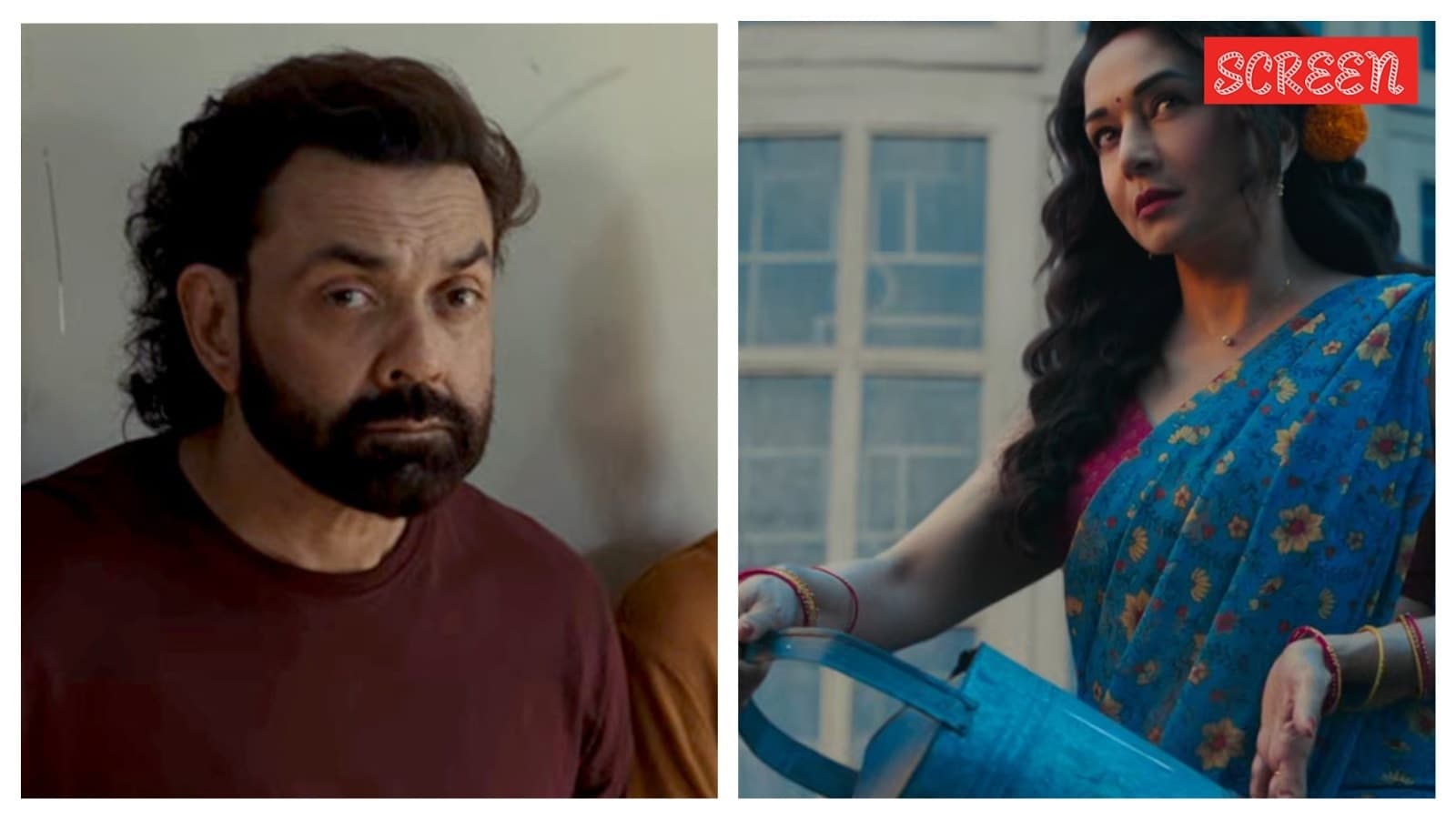
Suresh Triveni’s satirical drama and Anurag Kashyap’s gritty thriller offer contrasting lenses on how societal structures judge, protect, or dismiss the woman’s voice.
The current cinematic landscape has sparked a necessary conversation regarding the representation of gender, with Suresh Triveni’s Maa Behen and Anurag Kashyap’s Bandar emerging as the most compelling subjects of debate. While both films tackle the weight of societal expectations, they do so from opposite ends of the spectrum, exposing an inherent bias against women that manifests in strikingly different ways across the legal and domestic spheres.
The Burden of Internalized Expectations
In Maa Behen, director Suresh Triveni crafts a narrative centered on the lives of three women: Rekha, played by Madhuri Dixit, and her daughters, Jaya and Sushma. The film explores the intergenerational friction between a boomer mother, a millennial daughter, and a Gen-Z youth. By utilizing names synonymous with a famous detergent commercial, Triveni invites a comparison between the "pristine" ideal of the Indian housewife and the messy reality of these characters’ lives.
The story takes a dark turn when Rekha finds herself concealing the murder of her own molester, operating under the grim assumption that the world would never believe her testimony. The film highlights how the "patriarchal gaze" is not just imposed from the outside; it is internalized, with the women holding each other accountable for perceived transgressions—such as the simple choice of wearing a sleeveless blouse in a judgmental neighborhood.
Judicial Bias and the Male Perspective
In contrast, Anurag Kashyap’s Bandar presents a crime thriller where the scales of justice tip in the opposite direction. The film depicts a society—encompassing the police, the media, and the judiciary—that appears almost reflexively inclined to side with a woman’s word over a man’s. While Maa Behen illustrates a woman who doesn't even trust her own truth, Bandar paints a world where that truth is taken as gospel, yet it leaves viewers questioning whether the female characters are afforded the same depth and nuance granted to their male counterparts.
A Tale of Two Realities
The juxtaposition of these two films is telling. Maa Behen meticulously dissects the suffocating nature of domestic expectations, where even the act of wearing a mangalsutra becomes a performative armor against the "rudali" of local gossipers. Meanwhile, Bandar explores the institutionalization of gender dynamics, though some critics argue it fails to fully flesh out its female figures, treating them more as plot devices than as three-dimensional individuals.
Ultimately, these releases suggest that Indian cinema is entering a phase where the "woman’s story" is no longer monolithic. Whether it is the subtle, daily erasure of autonomy seen in Triveni’s work or the complex, systemic shifts portrayed by Kashyap, both films underscore that while the lens through which we view women is changing, the struggle to be seen as a whole person remains the central conflict of the modern screen.
The PoliticalPedia Editorial Desk brings verified, sourced political news and analysis from across India.