Why Diljit Dosanjh finds himself at the centre of the 'Satluj' storm
'Why Diljit Dosanjh chooses controversial films': FWICE President BN Tiwari amid 'Satluj' row
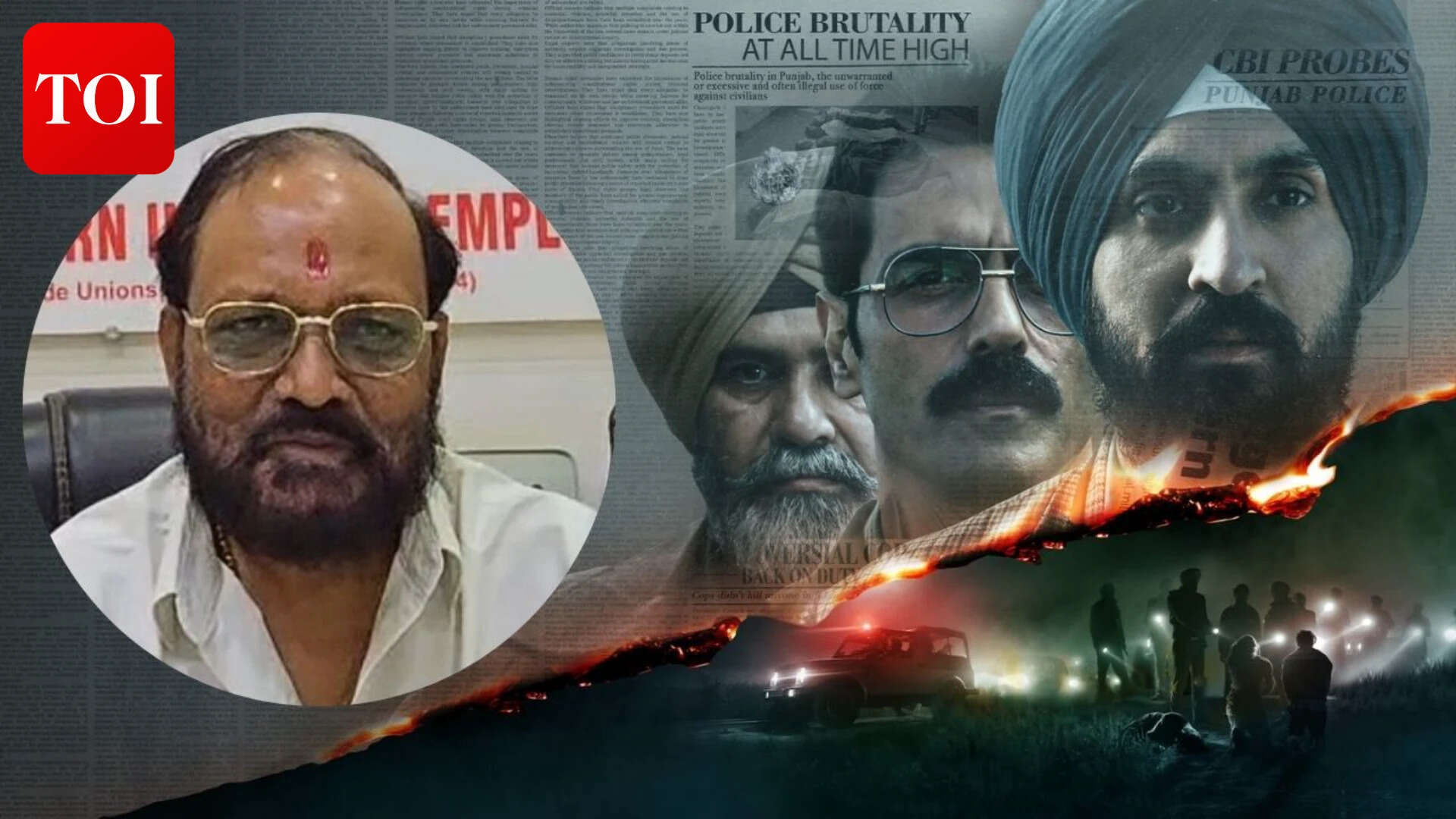
The removal of the film 'Satluj' from ZEE5 has sparked a heated debate, with FWICE President BN Tiwari leading the critique against the actor’s project choices.
The digital release of Satluj, a film based on the life of human rights activist Jaswant Singh Khalra, was intended to be a watershed moment for Diljit Dosanjh. Instead, the project—which underwent years of title changes and certification hurdles—was pulled from ZEE5 just days after its debut. The takedown, reportedly driven by concerns that certain segments could be exploited by anti-India elements, has now invited sharp criticism from industry quarters, most notably from the Federation of Western India Cine Employees (FWICE).
The FWICE stance on artistic responsibility
BN Tiwari, the FWICE President, has not minced words regarding why Diljit Dosanjh chooses such high-stakes, contentious material. Speaking on the matter, Tiwari argued that superstars carry a weight of social responsibility that transcends mere box office or streaming numbers. For the head of the film workers' federation, the issue is twofold: a question of the actor’s personal brand and a broader critique of prioritizing financial gain over national sentiment.
"I am very surprised why Diljit Dosanjh chooses to do controversial films," Tiwari remarked, urging the actor to reflect on his influence. He emphasized that as a global icon with a massive fan base, the actor should prioritize projects that don't invite social friction. According to the FWICE chief, an artist’s duty includes keeping the "nation first," and he suggested that there is little justification for choosing roles that consistently land in the crosshairs of government intervention.
The confusion of the censorship process
Beyond the critique of the actor, Tiwari raised a procedural red flag regarding India's film certification system. He pointed out the irony of a film clearing the censor board's rigorous cuts only to be pulled by the government shortly after release. For the industry, this creates a precarious environment where a producer's capital is locked into a project that can be rendered invisible overnight.
Tiwari noted that if a film contains elements deemed unsuitable for public viewing, the censor board should identify and address them at the initial stage. "Once clearance is given, the film should be released," he argued, stating that the current cycle of post-clearance reconsiderations creates unnecessary instability for producers and creators alike.
The bigger picture: Why it matters
The Satluj row is more than just a clash over a single film; it reflects a tightening space for content that brushes against historical or political nerves. As streaming platforms become more cautious under regulatory scrutiny, producers are finding that a "U/A" or "A" certificate from the board is no longer a final guarantee of safety.
For industry observers, this pattern suggests a shift in how political and social dissent is handled in Indian cinema. When government intervention follows a successful certification, it signals that the threshold for what constitutes "disturbing social harmony" is dynamic. For actors like Diljit, this means the cost of picking "meaningful" or "powerful" narratives—as his supporters describe them—now includes a high probability of institutional censorship, potentially forcing a shift in how future projects are greenlit and distributed.
Rohan Gupta covers the economy, markets and companies for PoliticalPedia.