White Coats in the Corridor of Power: Mapping the Doctors Who Shaped Modi’s Cabinet
National Doctors’ Day 2026: Medical professionals who served in Prime Minister Modi’s Union Cabinet since 2024, check prominent names here
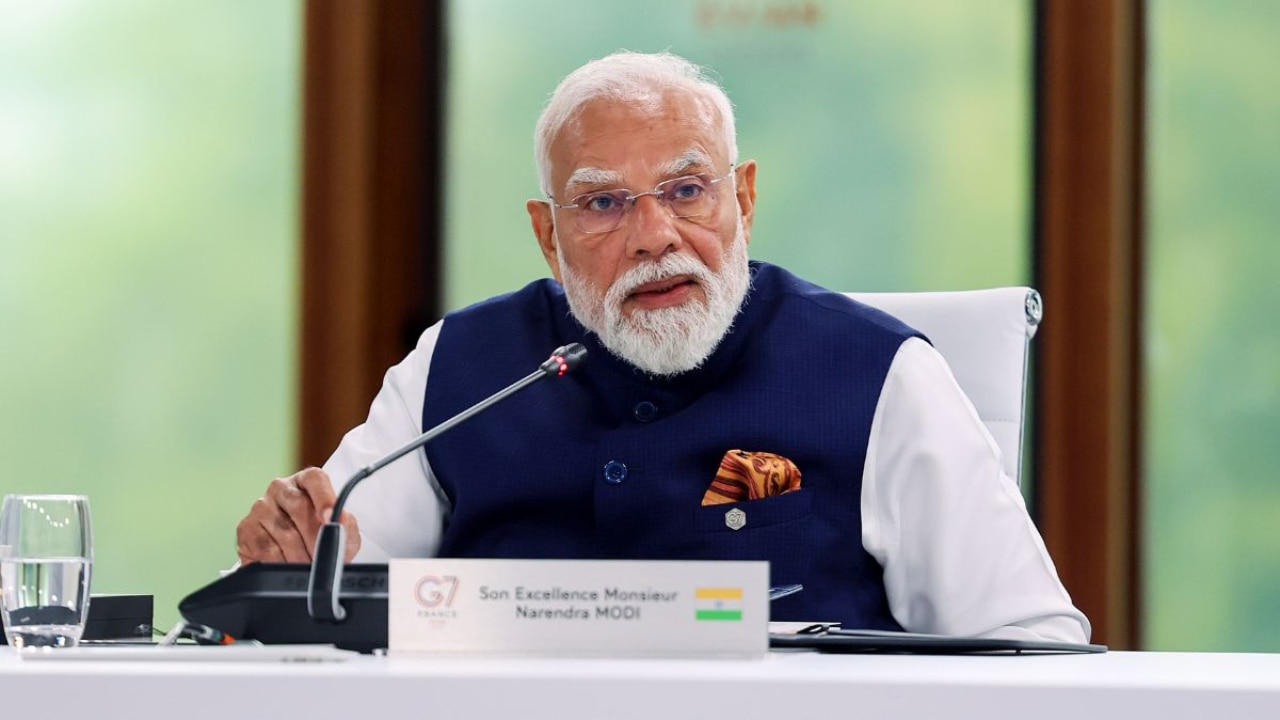
As India marks National Doctors’ Day, we look at the medical professionals who transitioned from clinical practice to the Union Cabinet since 2014.
The stethoscope is rarely the first accessory associated with the Raisina Hill power corridors, yet for the last decade, a steady stream of medical professionals has moved from the clinic to the Cabinet. Today, on July 1, as the country observes National Doctors’ Day to honour the legacy of Dr. Bidhan Chandra Roy—the legendary physician and second Chief Minister of West Bengal—it is a fitting moment to acknowledge those who bridged the gap between medicine and governance.
From Prescription Pads to Policy
Since the first government led by Prime Minister Modi was sworn in, several prominent medical practitioners have held significant portfolios. Dr. Harsh Vardhan, an ENT surgeon by training, emerged as perhaps the most visible face of this trend, steering the Ministry of Health and Family Welfare during two separate stints, including the critical 2019–2021 window, while also overseeing Science & Technology and Earth Sciences.
The list of doctor-ministers reflects a diverse range of expertise. Dr. Mahesh Sharma, a well-known physician and hospital entrepreneur, brought his experience to the ministries of Culture, Tourism, and Civil Aviation starting in 2014. More recently, the Union Cabinet saw the contributions of Dr. Subhas Sarkar, who served as Minister of State for Education, and Dr. Bharati Pravin Pawar, who handled responsibilities in the Health and Family Welfare ministry between 2021 and 2024. Additionally, Dr. Munjapara Mahendrabhai leveraged his background as a medical practitioner to serve in the Ministry of Women and Child Development and AYUSH during the same period.
The Bigger Picture
Why does this shift from the operating theatre to the ministry office matter? Beyond individual accolades, the presence of these professionals in the Union Cabinet signifies an attempt to inject domain expertise into public health policy. When doctors occupy ministerial chairs, the nuance of clinical challenges—infrastructure gaps, rural access, and pandemic management—often finds a more grounded voice in parliamentary debates.
However, the pattern is not absolute. While many doctors have served, the Ministry of Health has also been helmed by non-medical veterans like Jagat Prakash Nadda, who has held the portfolio in both the first and current terms of the Modi government. This suggests that while medical expertise is a prized asset in the administration, the government balances specialized knowledge with the demands of broader political management.
A Legacy of Service
National Doctors’ Day remains a reminder of the relentless efforts of the medical fraternity, often working against steep odds to improve India’s healthcare landscape. Whether they are serving in district hospitals or shaping the nation's health budget, the contribution of these individuals is central to the country's development. As we look at the result of these administrative tenures, the integration of clinical experience into the executive branch remains a significant, if quiet, feature of India’s modern governance.
Ananya Iyer covers global affairs with an Indian lens for PoliticalPedia.