Whispers of a Mutiny: The Alleged TMC Letter and the Unfolding Crisis in Bengal
West Bengal Politics: Alleged letter with signatures of 19 TMC MPs intensifies speculation over a split in the party
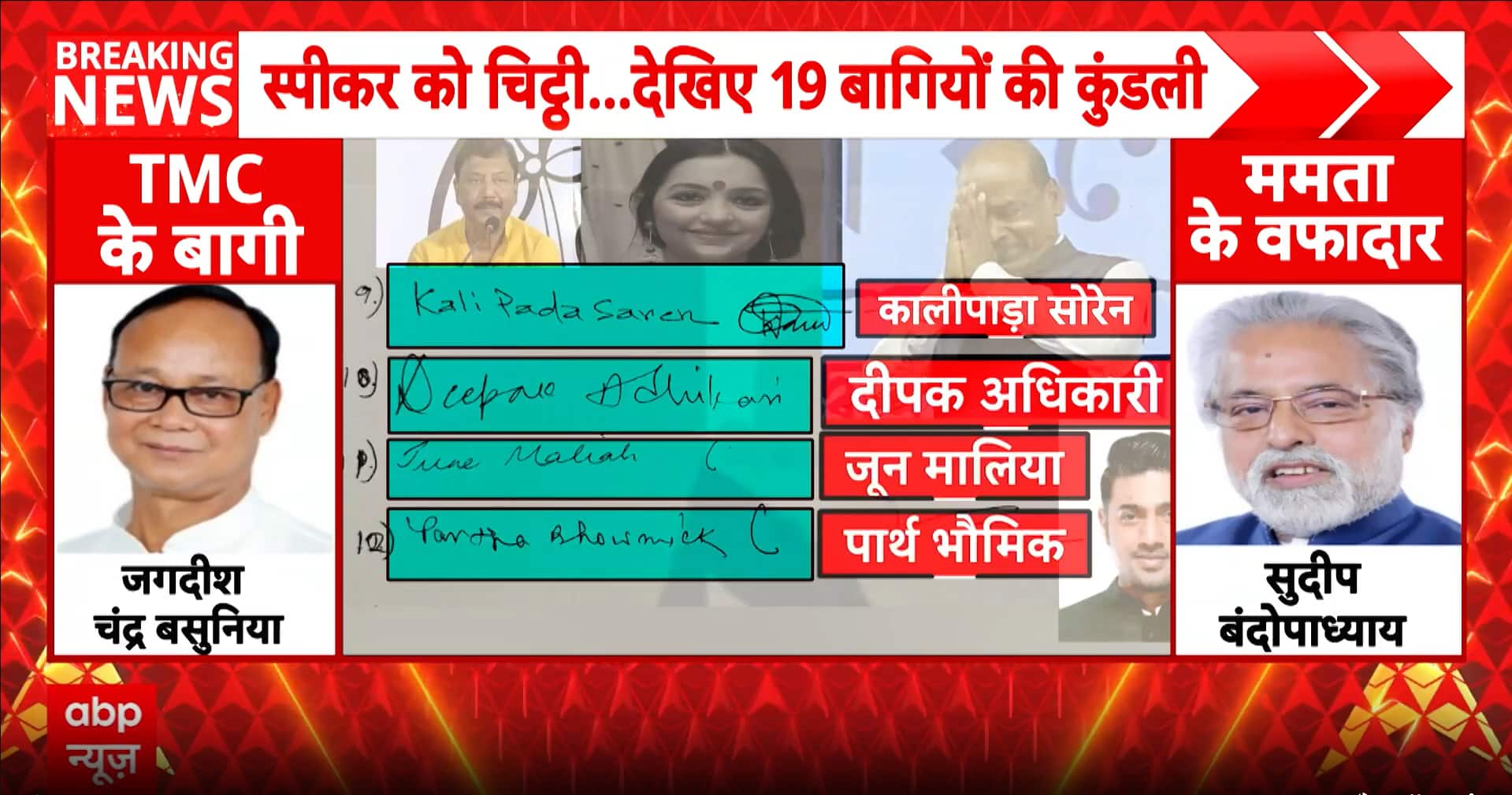
A mysterious letter allegedly bearing the signatures of 19 MPs has thrown the Trinamool Congress into a tailspin, raising uncomfortable questions about party unity and the shadow of a formal split.
The corridors of power in Delhi and Kolkata are currently vibrating with a singular, disruptive rumour: a letter, purportedly signed by 19 TMC MPs, is circulating, hinting at the formation of a breakaway parliamentary group. This development has turned the spotlight onto the internal fissures within the Trinamool Congress, as the party grapples with a high-stakes standoff. Names such as Kakoli Ghosh, Shatabdi Roy, Yusuf Pathan, and Sayani Ghosh have been linked to this list, though the authenticity of the signatures remains a subject of intense, often heated, debate.
The Legal and Political Reality
The leadership is pushing back hard. Senior leader Mahua Moitra has been quick to dismiss the possibility of a clean break, pointing to the constitutional reality that any MP attempting to jump ship would effectively forfeit their seat and be forced to face the electorate again. Meanwhile, the party’s rank and file are divided by conflicting narratives. Veteran MP Shatrughan Sinha has publicly pledged his loyalty to Mamata Banerjee, explicitly rejecting any association with a rebel faction, while others like Kirti Azad have framed the entire episode as a manufactured crisis driven by external political pressure and the looming shadow of central investigative agencies.
The turmoil isn't limited to the parliamentary wing. Recent days have seen a flurry of activity, from the CID launching a forgery probe into the alleged signatures to a series of resignations that have rattled the organisation. With the departures of figures like Sukhendu Sekhar and Prakash Baraik, the "Eknath Shinde-style" mutiny talk has gained momentum, particularly after expelled MLA Ritabrata made the bold claim that he enjoys the support of 57 MLAs.
Why it matters
This is more than just a clash of personalities; it is a structural stress test for one of India’s most formidable regional outfits. When internal dissent moves from closed-door meetings to public resignations and alleged letters, it signals a breakdown in the party’s traditional grievance-redressal mechanisms. For the TMC, the optics are damaging. As the party leadership—including Mamata and Abhishek Banerjee—attempts to manage the situation from Delhi, the combination of legal heat, including Calcutta High Court orders, and internal dissatisfaction suggests that the party is facing its most significant internal crisis in years.
The Bigger Picture
Looking ahead, the stability of the TMC is critical to the broader opposition landscape. If the party fails to contain this unrest, it could trigger a domino effect, shifting the balance of power in West Bengal politics. Whether this is a genuine ideological drift or a tactic used by adversaries to destabilise the party from within, the result is the same: the TMC is currently distracted by its own shadows at a time when it needs to be laser-focused on its electoral and administrative footing. The next few weeks will determine if the "split" is a reality or merely a well-orchestrated attempt to erode the party’s iron grip on the state.
Rohan Gupta covers the economy, markets and companies for PoliticalPedia.