West Asia on the Edge: India Demands Answers as Citizens Go Missing in Oman Coast Vessel Attack
US-Israel-Iran War Highlights: India Says 3 National Missing After Attack On Vessel Off Oman Coast
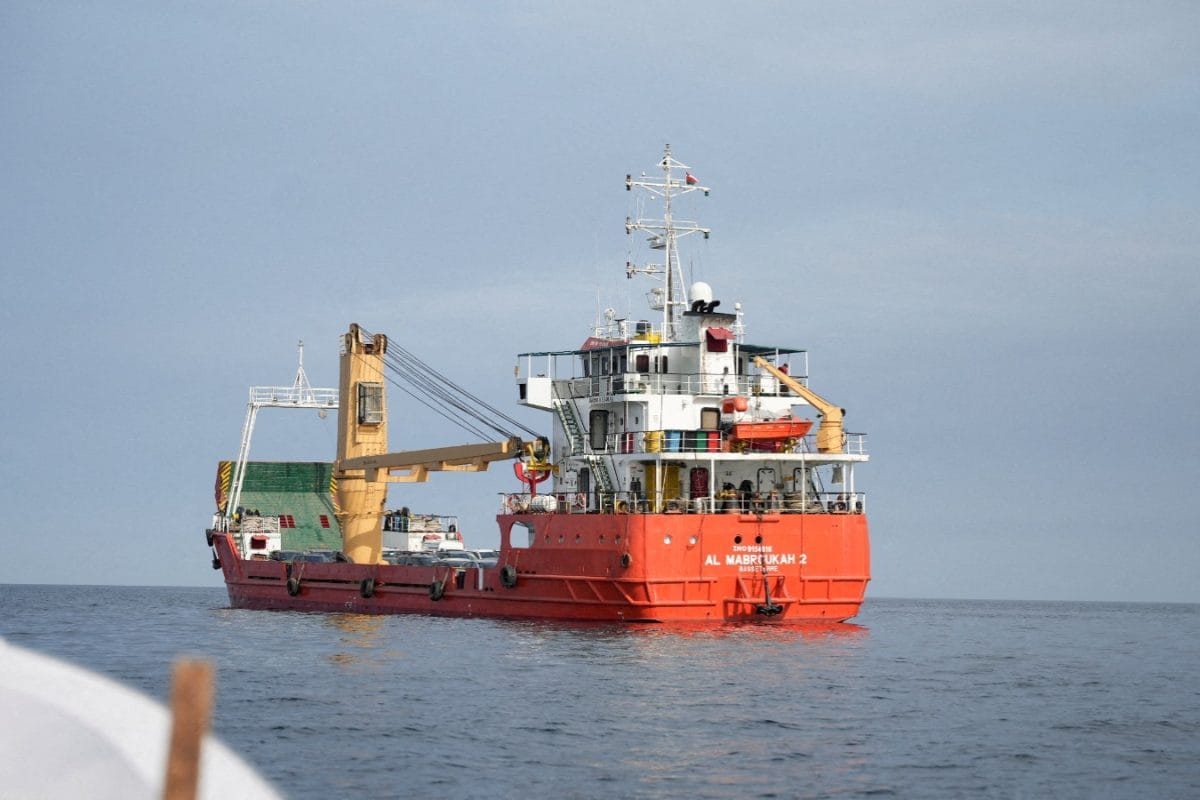
As US-Iran hostilities spiral into a wider maritime conflict, New Delhi summons Washington’s envoy following the disappearance of three Indian nationals in the latest shipping strike.
The volatile waters off the Oman coast have turned into a flashpoint for India’s diplomatic machinery. Three Indian nationals are reported missing following a violent attack on a commercial vessel, a tragedy that has prompted New Delhi to summon the US Deputy Chief of Mission. While details remain fluid, reports from the vessel—identified in various dispatches as the Settebello—paint a grim picture: 21 crew members have been rescued, but the fate of the remaining three hangs in a terrifying balance.
This maritime escalation is the latest fallout from a rapidly deteriorating ceasefire between Washington and Tehran. The current cycle of violence began after the US military launched "self-defence strikes" on southern Iranian targets, a move triggered by the downing of a US Apache helicopter over the Strait of Hormuz. With the US accusing Iran of "playing us for suckers" regarding peace negotiations, President Donald Trump has vowed to intensify these strikes, pushing the region toward the brink of a full-scale war.
A Widening Conflict
The conflict is no longer confined to rhetoric or isolated border skirmishes. Iran has retaliated with strikes on US military positions across Bahrain, Jordan, and Kuwait, while satellite imagery confirms hits on key Iranian naval and nuclear infrastructure. The intensity of these strikes—and the counter-strikes hitting international shipping lanes—suggests that the fragile peace brokered in April has completely collapsed.
For India, the risks are immediate and personal. Our sailors, who form the backbone of the global merchant navy, are increasingly finding themselves in the crosshairs of this geopolitical chess match. With the Ministry of External Affairs now engaged in urgent talks with American diplomats, the priority is clear: ensuring the safety of those stranded in a conflict zone they have no part in. The summoning of the US envoy highlights India's growing frustration as our citizens pay the ultimate price for a war escalating thousands of kilometres away.
Why it matters: The Bigger Picture
The situation represents a dangerous shift in the US-Israel-Iran war highlights. We are moving from a state of contained regional tension to a messy, attritional conflict where global supply chains and neutral commercial vessels are becoming collateral damage. Iran’s dismissal of the latest UN nuclear watchdog resolution as "politically motivated" indicates that diplomatic off-ramps are being systematically closed.
For India, the challenge is twofold. First, the safety of the Indian diaspora and maritime workers is paramount, requiring a delicate balancing act to maintain ties with all parties while demanding accountability. Second, the disruption to the Strait of Hormuz—a vital artery for energy imports—threatens to destabilise domestic fuel prices and inflation. As Washington signals that the strikes are "just getting started," New Delhi must prepare for a long, volatile stretch in West Asia that will test the limits of its strategic autonomy.
Ananya Iyer covers global affairs with an Indian lens for PoliticalPedia.