Diplomatic Shuffle: Pakistan Interior Minister Lands in Iran After Switzerland Talks Postponed
Pakistan Interior Minister Lands In Iran After Switzerland Talks Postponed
As a fragile memorandum aimed at ending Middle East hostilities faces fresh uncertainty, Islamabad steps into the fray.
The diplomatic corridor between Washington and Tehran has hit a sudden, jarring speed bump. Just days after a memorandum of understanding was signed—ostensibly to halt the regional war—the high-stakes meeting scheduled for Friday in Switzerland has been pushed back indefinitely. Into this vacuum of uncertainty, Pakistan has moved with notable speed.
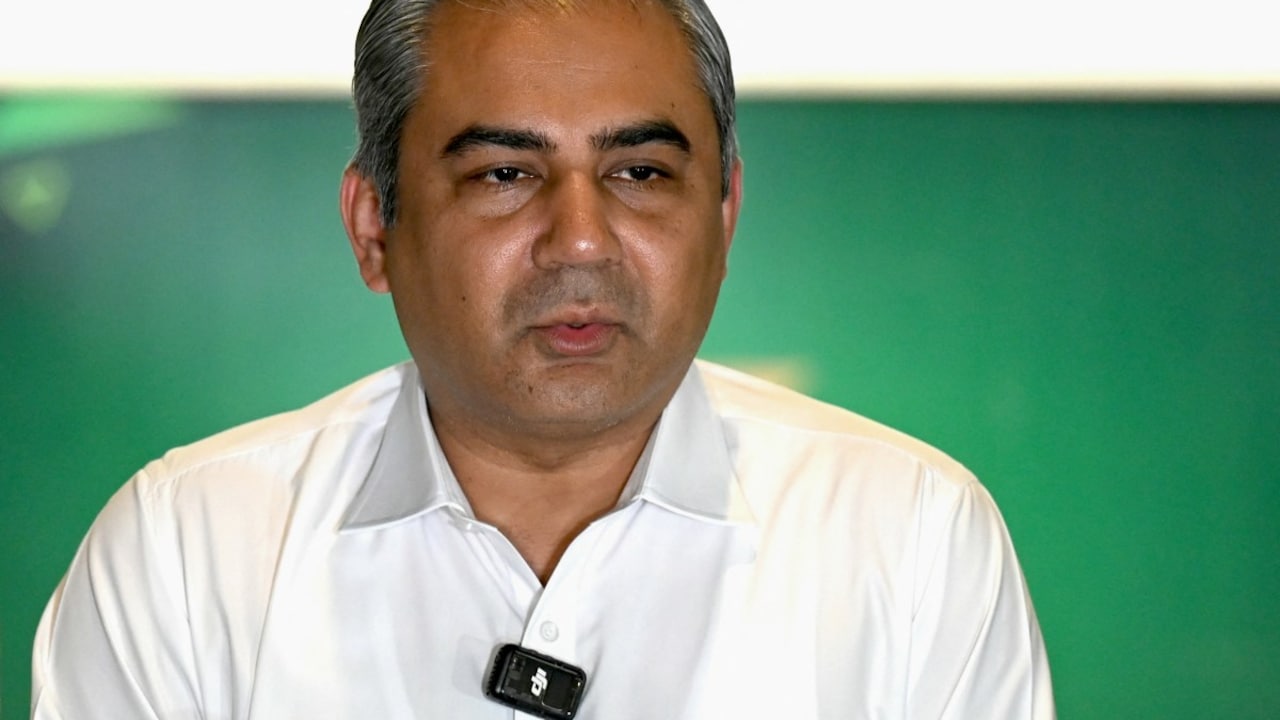
On Saturday, Pakistan Interior Minister Mohsin Naqvi touched down in the Iranian city of Mashhad. His arrival, confirmed by Iranian state media including the Tasnim news agency, signals that Islamabad is positioning itself as a key intermediary while the primary US-Iran dialogue remains in a state of suspended animation. While details of his itinerary remain guarded, it is clear that the mission is tied to the broader, wobbling peace process.
The Fragile Truce
The postponement of the Swiss negotiations comes at a precarious moment. Despite the fanfare surrounding the initial deal to end the war in the Middle East, the reality on the ground remains grim. Reports from across the wire indicate that military engagements, particularly in southern Lebanon, have continued despite the ceasefire announcements.
This friction suggests that the "memorandum of understanding" is struggling to translate into actual de-escalation. For the parties involved, the delay in Switzerland is more than just a scheduling conflict; it reflects the deep-seated distrust and the technical difficulties of enforcing a deal while boots are still on the ground and strikes are still being launched.
Why it matters
The optics of the Pakistan interior minister landing in Iran immediately after the Switzerland talks were postponed carry significant weight. By keeping the lines of communication open, Pakistan is attempting to prevent the total collapse of the nascent peace framework.
If this deal unravels, the regional instability will only deepen, dragging more global powers into the crossfire. Islamabad's involvement suggests an attempt to firm up the edges of a fragile agreement, likely acting as a conduit for messaging that Washington and Tehran might find difficult to relay directly under the current pressure. The success or failure of Naqvi’s visit may well determine whether the peace process is merely stalled, or effectively dead.
The Road Ahead
Back in the West, the political temperature is rising. Critics, including JD Vance, have already taken swipes at the transparency of the deal, casting doubt on its long-term viability. As the world watches to see if a new date for the Swiss negotiations is set, the focus shifts to whether these quiet, regional backchannel efforts can override the ongoing kinetic conflict. For now, the region waits—and the diplomatic clock is ticking faster than ever.
Kabir Sharma writes on culture, technology and everyday life for PoliticalPedia.